
Last updated November 22, 2026
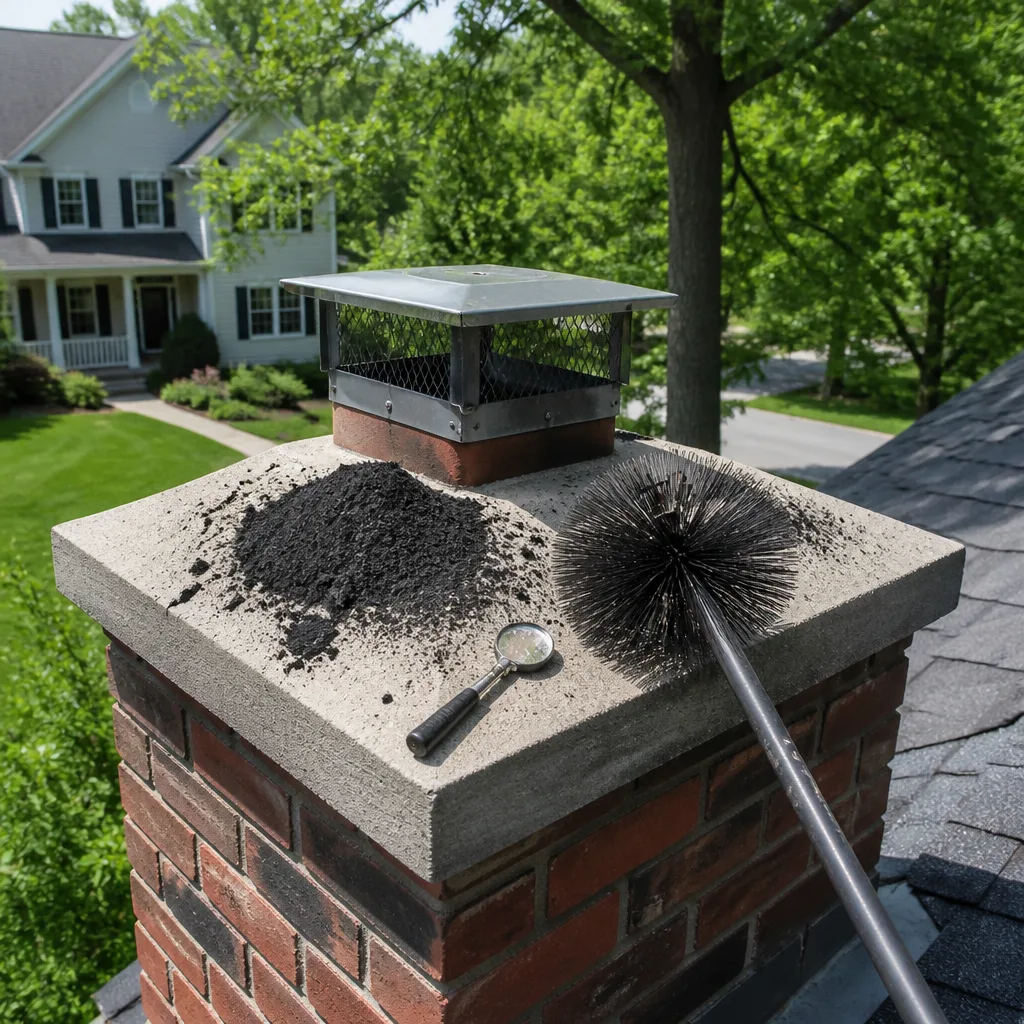 Sweep & inspection
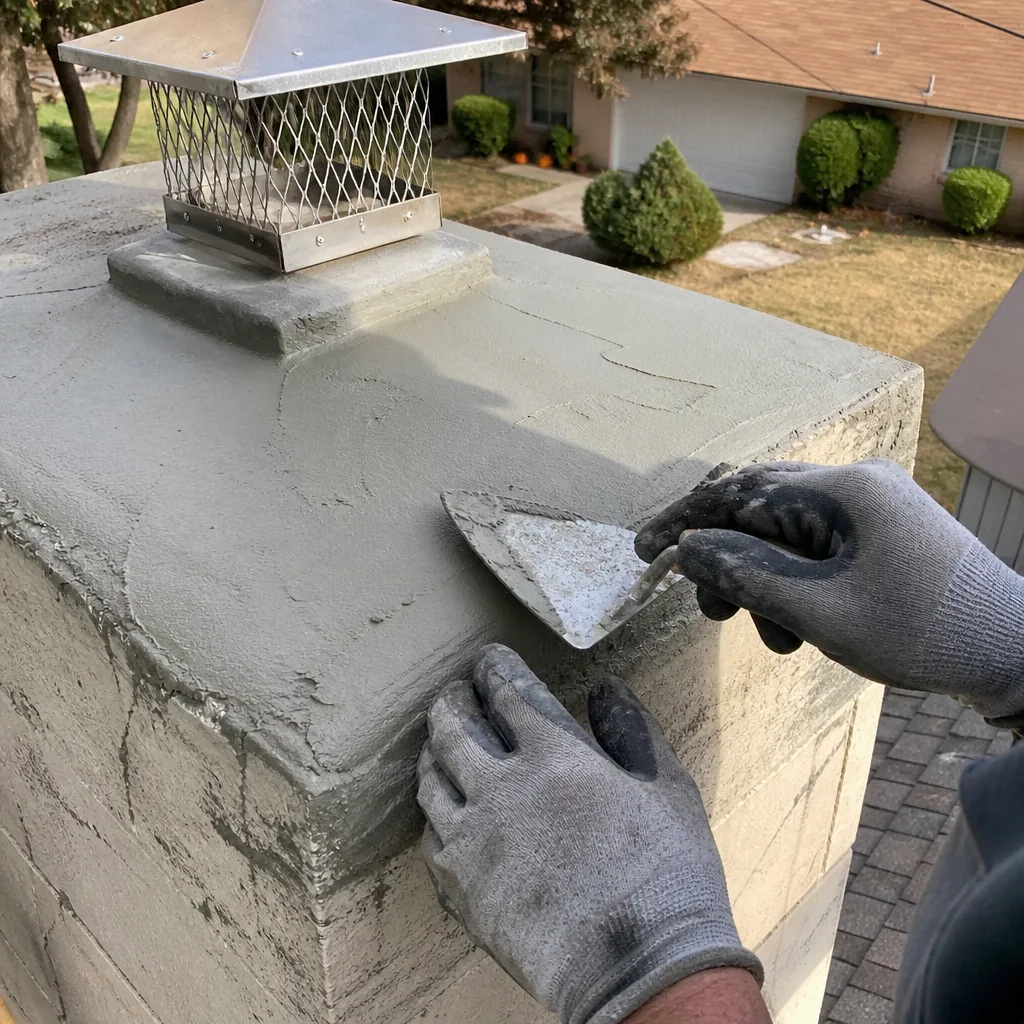
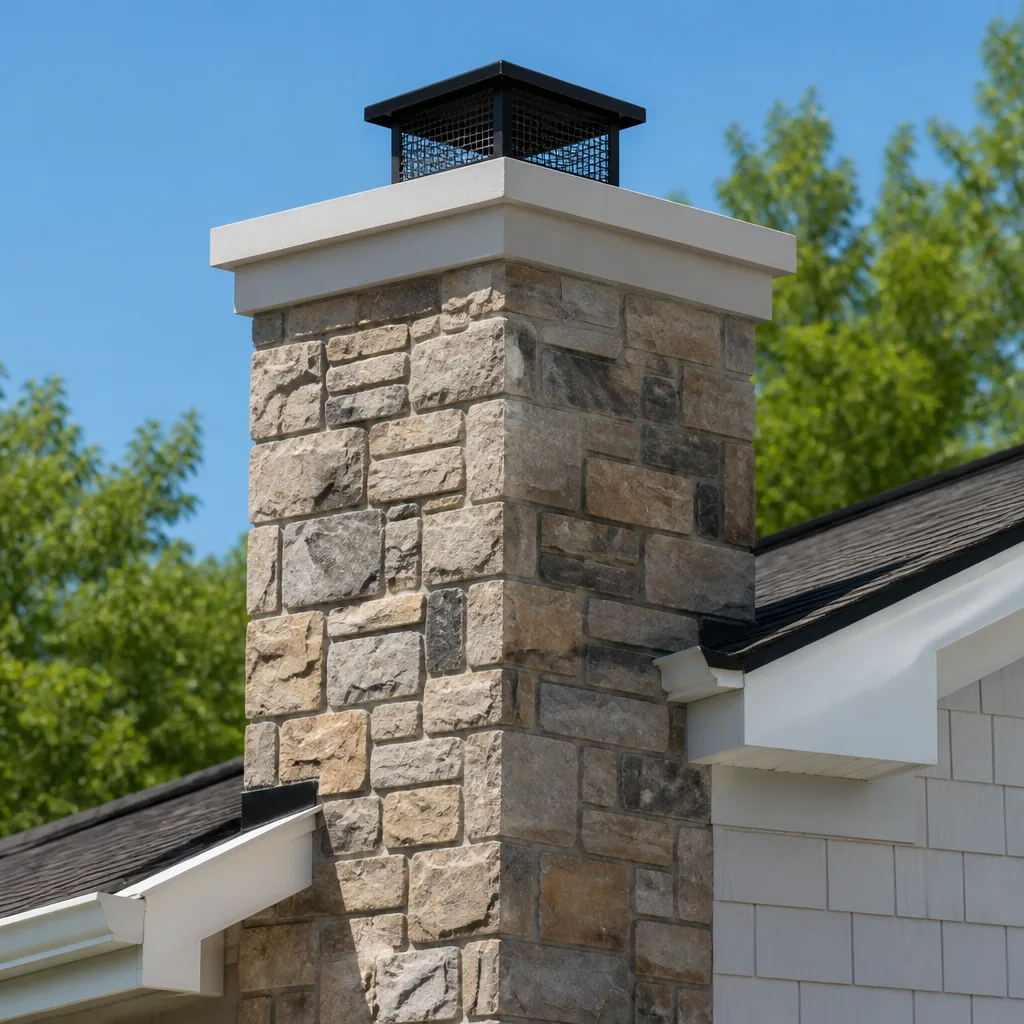 Caps & crowns
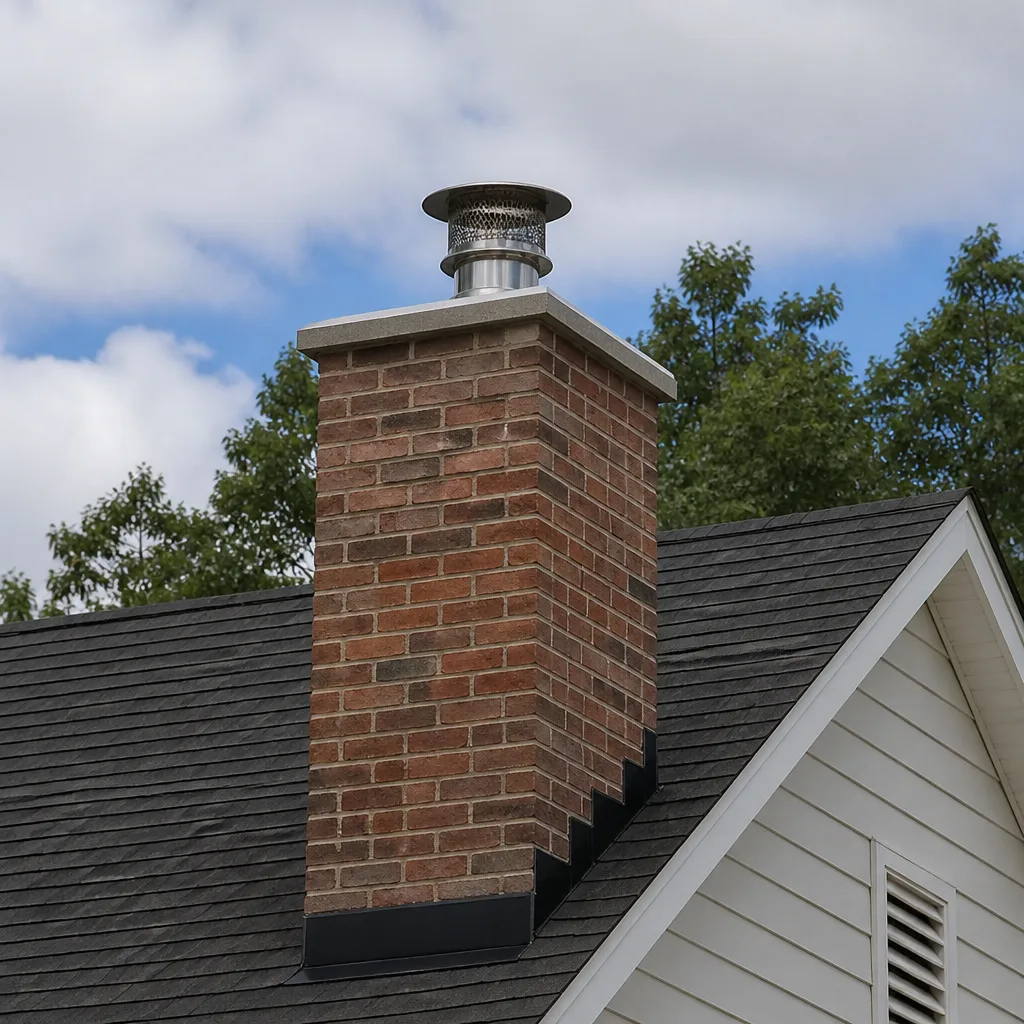 Flue relining
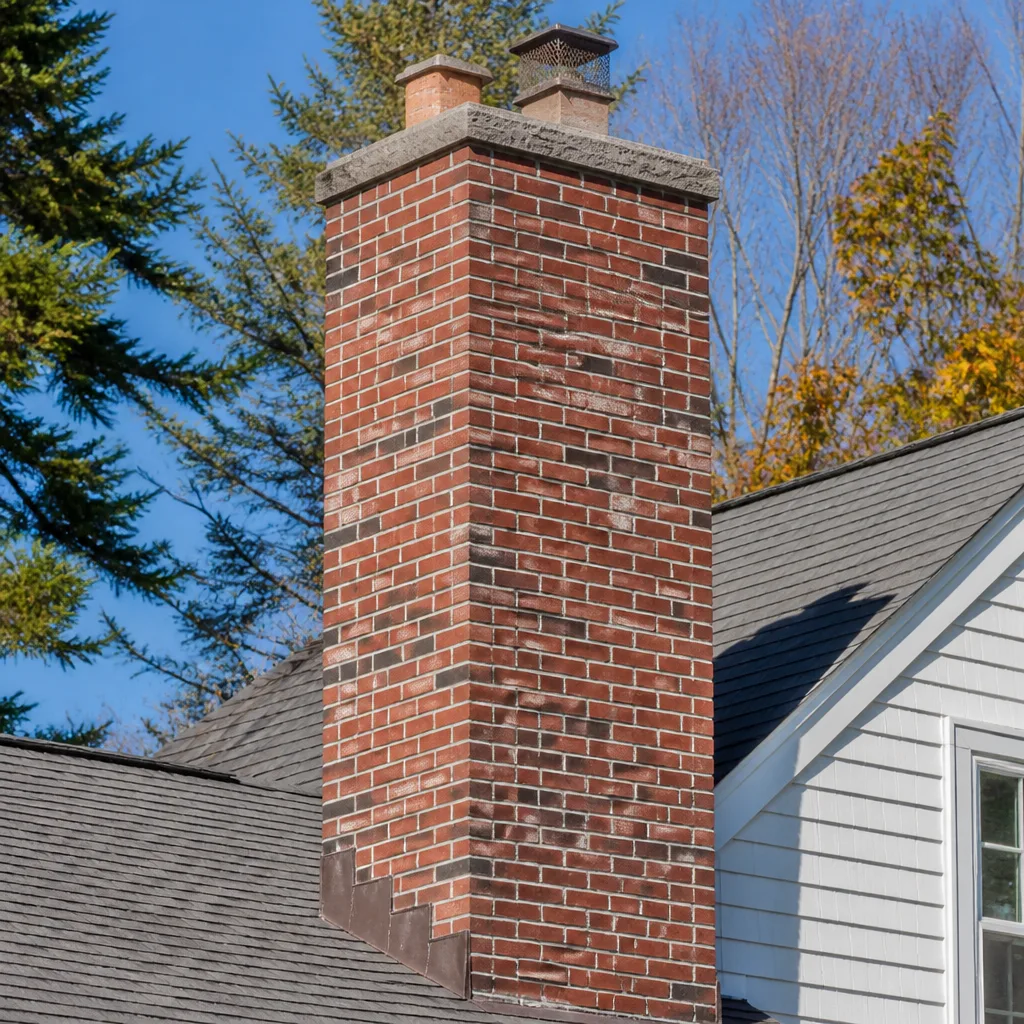 Masonry repair
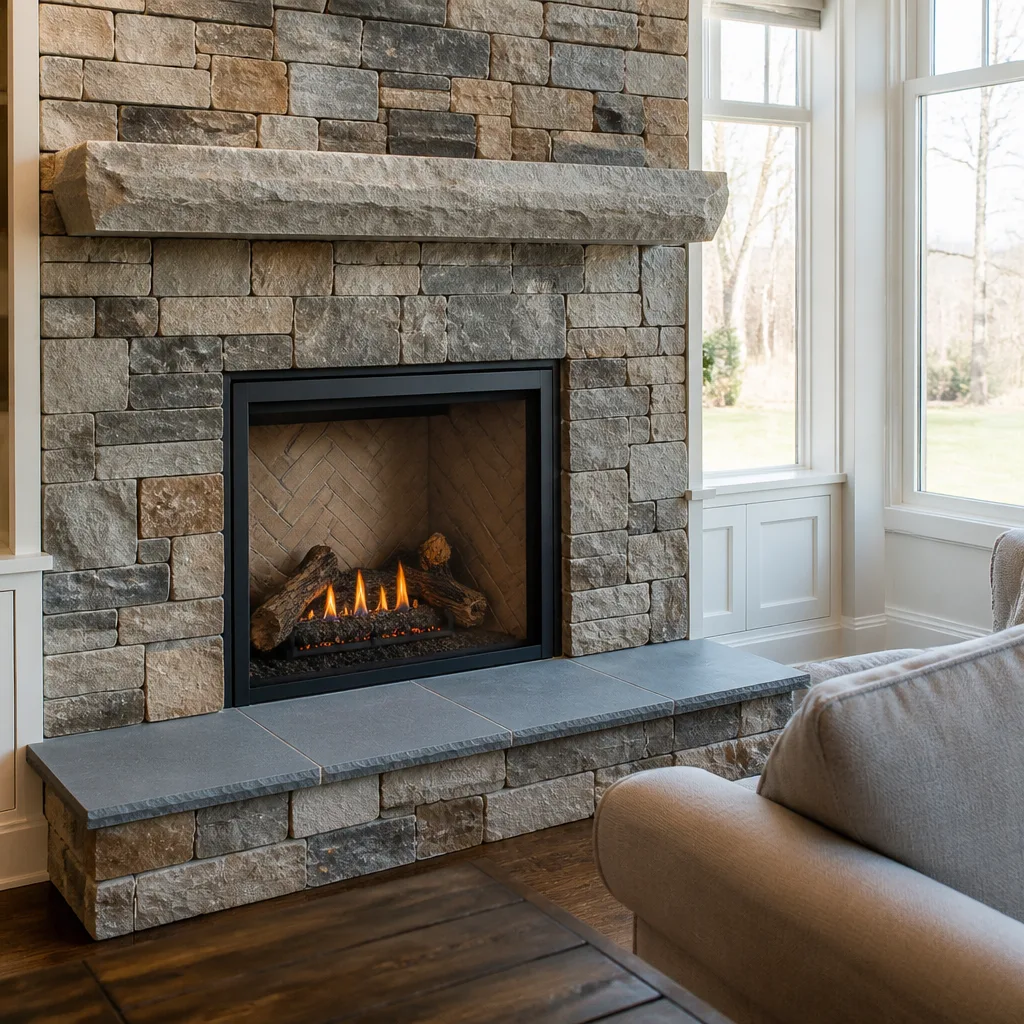 Gas fireplace service
Level 1 sweep and inspection to the NFPA 211 annual standard - flue, crown, cap, and flashing checked and photographed
Chimney sweep logs do not sweep chimneys. They loosen some creosote - which then falls where a brush and vacuum still have to collect it.
Chimney Cleaning Cost Breakdown: The Preston Hollow Homeowner’s Reference for 2026
A $79 chimney sweep coupon and a $350 professional sweep are not the same service. That gap is not markup, and it is not a contractor padding a bill. It reflects what actually gets done in the flue, what gets documented in writing, and how much liability the person on your roof is genuinely taking on when they put a brush to a chimney that may have been ignored for years. In Preston Hollow, where large estate homes often carry two or three flues and fireplaces that see real use through the mild heating season, that difference matters more than it does in a subdivision of single-flue houses. This guide breaks down every line of a chimney cleaning estimate so you can read a quote against actual scope instead of judging it by the bottom number.
Quick Answer
Chimney cleaning in the Preston Hollow area of Dallas in 2026 typically runs $150 to $350 for a standard single-flue sweep, with most homes landing near the middle of that range once the firebox is cleaned and a Level I inspection is included. Add a video inspection and you’re generally looking at $250 to $450. Multi-flue estate homes, crown work, and liner repairs push the total higher, but each of those items should appear as its own line on the estimate with its own price. The written estimate sets the final price, and the best quotes are itemized so you can see exactly what you’re paying for.
Styles & brands we work with
- Sweep & inspection
- Caps & crowns
- Flue relining
- Masonry repair
- Gas fireplace service
Table of Contents
- What actually drives chimney cleaning price in Dallas
- What a standard sweep-only service costs and includes
- How inspection levels I, II, and III change the price
- Common add-on repairs found during Preston Hollow inspections
- Why multi-flue properties are priced differently
- How to read an itemized estimate like a diagnostic tool
- Timing your sweep around the Dallas burning season
- What to ask before you book
What actually drives chimney cleaning price in Dallas
Chimney cleaning in the Dallas market is not a single commodity. We’ve seen quotes in the same neighborhood swing by hundreds of dollars for what looks like the same job on paper. The reason is that a sweep is priced around four variables, and only three of them are visible before anyone climbs onto the roof.
The first is flue count. A single-flue house is priced as one job. A property with a fireplace in the den, another in the primary suite, and a third in a guest wing is three separate flues, each with its own draft, its own creosote load, and its own access point. The second is the amount and condition of the creosote. Light, flaky creosote brushes out cleanly. Glazed, tar-like creosote that has baked onto the flue walls takes longer, takes different tools, and sometimes requires chemical treatment before it can be removed safely. The third is accessibility: the pitch of the roof, the height of the chimney, and the presence of a cap all affect labor time. The fourth, and the one homeowners rarely think about, is what happens after the sweep.
That last variable is where the real pricing differences live. A sweep-only service brushes the flue and leaves. A professional sweep brushes the flue, cleans the firebox and smoke chamber, runs a camera, documents what it finds, and hands you a written report you can keep. Only one of those is a complete job.
In Preston Hollow, the mild winters mean fireplaces get steady use from late fall through early spring but rarely sit under snow load or extreme cold for weeks at a time. That pattern produces steady, moderate creosote accumulation rather than the heavy, seasonal buildup you’d see in colder climates. The practical effect is that most Preston Hollow homes fall into the standard sweep bracket rather than the heavy-cleaning bracket, which keeps typical costs predictable. Homes that burn regularly for years without a sweep are the exception, and those are the ones that need a closer look before anyone quotes a price.
What a standard sweep-only service costs and includes
A standard sweep in the Dallas metro in 2026 generally runs $150 to $350 for a single flue. That price should include more than a brush and a shop vac, and knowing what belongs in the base price is what lets you tell a fair quote from a stripped-down one.
A complete standard sweep includes:
- Protective drop cloths and containment so soot does not migrate into the room
- Brushing the full length of the flue from the top or bottom, depending on access
- Removal of creosote, soot, and debris from the flue, firebox, and smoke chamber
- Cleaning of the damper and the firebox floor
- A visual check that the damper opens, closes, and seats correctly
- Hauling away the debris
- A written record of what was cleaned and what was observed
What a standard sweep price typically excludes, and where cheap quotes hide their gaps:
- Video camera inspection (usually a separate line or a higher-tier package)
- Any repair work, even small ones discovered during the sweep
- Roof access for chimneys with steep pitch or unusual height
- Additional flues
- Chemical creosote removal for glazed third-degree creosote
- Masonry, crown, or cap work
When you see a coupon price that seems too low to cover that full list, ask directly which items are included and which cost extra. In our experience, a stripped-down sweep that omits the inspection and the written documentation is not cheaper. It just moves the cost to the next visit, when the problem has grown. Our chimney sweep service is priced around the complete version of the job, and the written estimate spells out each included item before anyone books.
How inspection levels I, II, and III change the price
Inspection levels are where a lot of Preston Hollow homeowners get surprised on price, not because the inspector is upselling, but because the level of inspection required for a given situation isn’t always obvious until someone explains it. The three levels follow the industry standard structure, and each one adds a different layer of cost to the base sweep.
Level I inspection is a visual check of the readily accessible portions of the chimney and firebox, usually done alongside a routine sweep when the home is under regular care and nothing has changed. In most cases, a Level I is folded into the standard sweep price, which is why a routine visit at $150 to $350 is genuinely a sweep and an inspection together.
Level II inspection adds a video camera run through the full flue and, where accessible, the attic and crawl spaces. This is the inspection that finds hairline cracks in the flue tile, gaps at the liner joints, and offsets that a visual check can’t see. It is generally warranted when a home changes hands, after a chimney fire, after an earthquake or major storm, or when a new appliance is connected. Level II inspections in the Dallas market typically add $100 to $200 to a standard sweep, and the price depends on flue length and the number of access points.
Level III inspection is a targeted, often destructive inspection of a specific area, usually when a serious defect is suspected and the surrounding masonry or framing has to be opened to see it. This is a project-level cost, not a routine line item, and it should only be recommended when the evidence from a Level II points to it.
The right level depends on the situation, not on the upsell of the day. If a home is sold, if it hasn’t been swept in years, or if anyone in the household has noticed smoke backing up, a Level II with camera evidence is the honest recommendation. When the flue is clean and intact and the home is inspected regularly, a Level I is enough. The camera footage and photo report we include on the jobs we handle are yours to keep, so you can see what we saw.
Common add-on repairs found during Preston Hollow inspections
The sweep itself is usually the smaller part of the estimate. The repairs uncovered during a thorough inspection are where the bigger numbers come from, and that’s exactly why the inspection should be documented on camera. Here are the most common add-ons and typical cost ranges for the Dallas market in 2026.
- Crown recoating: $250 to $600. The crown is the concrete top that sheds water away from the flue. Hairline cracks are normal with age, and resurfacing the crown with a proper repair material is far cheaper than rebuilding it. We use Gelco crown materials because they’re formulated to move with the masonry rather than crack apart again the next season.
- Cap replacement: $150 to $400 installed. A missing or rusted cap is the single most common source of water intrusion into a chimney. A properly fitted cap also keeps birds, squirrels, and rain out of the flue. This is where Famco and Olympia Chimney components come into play, because the fit and the material determine how long the cap lasts.
- Liner patching or resurfacing: $800 to $2,500. A liner with isolated cracks, gaps at joints, or a rough interior can often be restored in place rather than fully replaced. HeatShield resurfacing is the system we use here because it addresses the damage without demolishing the chimney, and it’s proven with the same material specified by certified chimney professionals nationwide.
- Full relining: $2,500 to $6,000. When the original flue tile is too damaged to patch, a flexible stainless liner is the durable answer. DuraFlex liner systems are what we install because they’re rated for the temperature and corrosion exposure that a wood-burning fireplace produces, and they carry through to a proper top plate and cap.
- Firebox repair: $500 to $2,000. Cracked firebox brick or a deteriorated firebox floor is a fire-containment issue, not a cosmetic one. Repointing or rebuilding the firebox is a job for a specialist, and it’s part of the fireplace repair work we handle.
None of these should be recommended without visible evidence. The honest process is: the sweep happens, the camera shows the problem, the evidence sits in front of you, and the estimate itemizes the fix. If a contractor walks off the roof and tells you that you need a $4,000 liner with no camera footage to back it up, ask for the footage. Sometimes work can safely wait until next season. Sometimes it can’t. The camera is what lets a homeowner make that call.
Why multi-flue properties are priced differently
Multi-flue pricing is one of the least-discussed cost drivers in the Preston Hollow market, and it’s where a lot of estate homeowners end up overcharged. The principle is simple: each flue is a separate chimney system with its own draft and its own creosote. Each one needs its own sweep, its own inspection, and, where applicable, its own cap and crown inspection. A home with three fireplaces but only one flue sweep in the quote is a home that hasn’t actually been fully serviced.
What you should expect on a multi-flue estimate:
- A separate line for each flue, with its own price
- A separate line for each inspection, or a clearly stated multi-flue inspection rate
- A note on which flues were used, which are rarely used, and which may be capped or abandoned
- A separate cap condition noted per flue termination
- One coordinated visit for all flues, not three separate appointments
How to avoid overcharging: ask for the per-flue breakdown before you book. A contractor who quotes a single “chimney service” price without asking how many fireplaces the home has is either guessing or planning to add charges at the door. Homes that have an unused flue can sometimes have that flue swept at a lower rate if it’s clean and closed, and homes with a basement or second-floor fireplace should expect that flue to be included in the count. If your home has a fireplace that hasn’t been used in years, mention it when you book. That’s the flue most likely to hide a problem.
There’s also a physical reason multi-flue chimneys behave differently. Three flues in one chase share a single mass of masonry, and the middle flue tends to run cooler than the outer two. A cooler flue drafts less well and accumulates creosote faster. That’s why the sweep pattern on a multi-flue Preston Hollow home isn’t even. Some flues need more frequent attention than others, and a contractor who understands that can tell you which ones.
How to read an itemized estimate like a diagnostic tool
The estimate itself is information. A vague, single-line quote and a detailed, itemized quote for the same dollar amount tell you very different things about how the contractor works. Here’s how to read one.
What a strong estimate includes:
- A separate line for the sweep and a separate line for the inspection
- The inspection level (I, II, or III) stated explicitly
- A per-flue line on multi-flue homes
- Any recommended repair as its own line, with the material to be used named
- Clear language on what the price covers and what it doesn’t
- A stated final price, not a range with caveats
What a weak estimate signals:
- A single lump-sum price for “chimney service”
- No mention of inspection level
- No material names on repair items
- “Starting at” pricing that has no defined upper bound
- Recommendation language that arrives before any inspection report exists
A contractor who can itemize the job understands the job. A contractor who can’t is guessing, and a guess that lands on your roof is a guess that lands on the flue you can’t see. The estimate is your best window into how the work will actually be done.
When we put together a written estimate, the price is set per job and the scope is spelled out line by line. There’s no service-call fee and no trip charge, because the estimate is free. That’s a standard a homeowner can hold any contractor to, not just us. If someone won’t put the numbers in writing, that’s a sign to look elsewhere. The full range of work we handle, from sweep to cap to structural repair, is summarized on our Chimney Sweep Preston Hollow main page, but the estimate is where the real information lives.
Timing your sweep around the Dallas burning season
Timing isn’t a line item on an estimate, but it’s part of the cost story because a chimney that’s swept at the right point in the year is a chimney that stays cheaper to own. In the Preston Hollow climate, the burning season runs roughly from the first cool nights of late fall through early spring. The best time to schedule a sweep is before that season starts, or immediately after it ends.
A pre-season sweep means you start the year with a clean flue and a fresh inspection, and any repair uncovered in that inspection has time to be scheduled before the first fire. A post-season sweep clears out the creosote that built up over the winter, so it doesn’t sit against the flue walls through the warmer, more humid months. Creosote and moisture don’t get along well, and a flue that stays damp and coated through summer is a flue that gets harder to clean the following fall.
The seasonal urgency is real but it isn’t hourly. Nobody needs a sweep tonight. What homeowners do need is a sweep before the first fire of the season, because a flue that has never been inspected doesn’t tell you what’s inside it until it does. A clean flue reduces creosote buildup, and creosote is the leading cause of chimney fires. That’s the reason to act, and it’s a reason to plan the visit rather than panic about it.
There’s also the carbon monoxide side of the story. A blocked or damaged flue doesn’t vent combustion gases out of the house the way it should, and carbon monoxide is odorless. That’s why an inspection matters on the flues you don’t use as much as the ones you do. An unused flue with a cracked cap and a bird nest in it is still connected to the same house.
What to ask before you book
Five questions separate a reservation from a routine. Asking them before you book saves you from being surprised by the estimate and tells you how the contractor thinks. Ask every one of them on the phone, before scheduling.
- “How many flues will you sweep, and is that quoted per flue?” The answer tells you whether the contractor asked about your home or assumed it had one flue.
- “What inspection level is included in this price, and do I get the camera footage?” The answer tells you whether the visit is documented or just performed.
- “What’s included in the base price, and what costs extra?” The answer tells you whether the coupon price is real or a stripped-down version of the job.
- “What happens if you find a problem?” The answer should be: you see the camera evidence, you get an itemized estimate, and nothing is done without your approval.
- “What’s the final price, and is it in writing?” The answer should always be yes. The written estimate sets the price, not a phone quote.
A contractor who answers these cleanly is a contractor who can do the work. If any answer is vague, keep asking. The questions cost nothing and they filter out the guesses.
Common Mistakes to Avoid
- Judging a quote by price alone. A $79 sweep and a $300 sweep aren’t competing for the same job. The cheap one almost always excludes the inspection or the documentation, and the difference in scope is real.
- Booking a sweep without asking about inspection level. A sweep without a documented inspection tells you nothing about the condition of the flue. In a large Preston Hollow home with more than one fireplace, the flue you didn’t inspect is the one that matters.
- Assuming one price covers multiple fireplaces. Multi-flue homes need per-flue pricing, and a lump-sum quote on a three-fireplace house is a red flag. Ask for the breakdown before booking.
- Approving a repair without camera evidence. If a recommendation comes with a dollar figure, it should come with a photo or video from inside the flue. If it doesn’t, ask for it, and don’t approve work until you’ve seen it.
- Skipping the sweep entirely because the flue “looks fine.” You can’t see creosote from the firebox, and a chimney fire doesn’t announce itself. The whole point of the sweep is to remove what’s hidden.
- Waiting until the fireplace is in use to schedule. By then, the schedule is tighter and there’s no time to deal with whatever the inspection finds. Book the visit before the heating season starts.
- Ignoring the crown and cap because they’re at the top. The crown and cap are the two components most responsible for keeping water out of the chimney. Both are cheap to inspect and inexpensive to repair before they fail.
See the difference
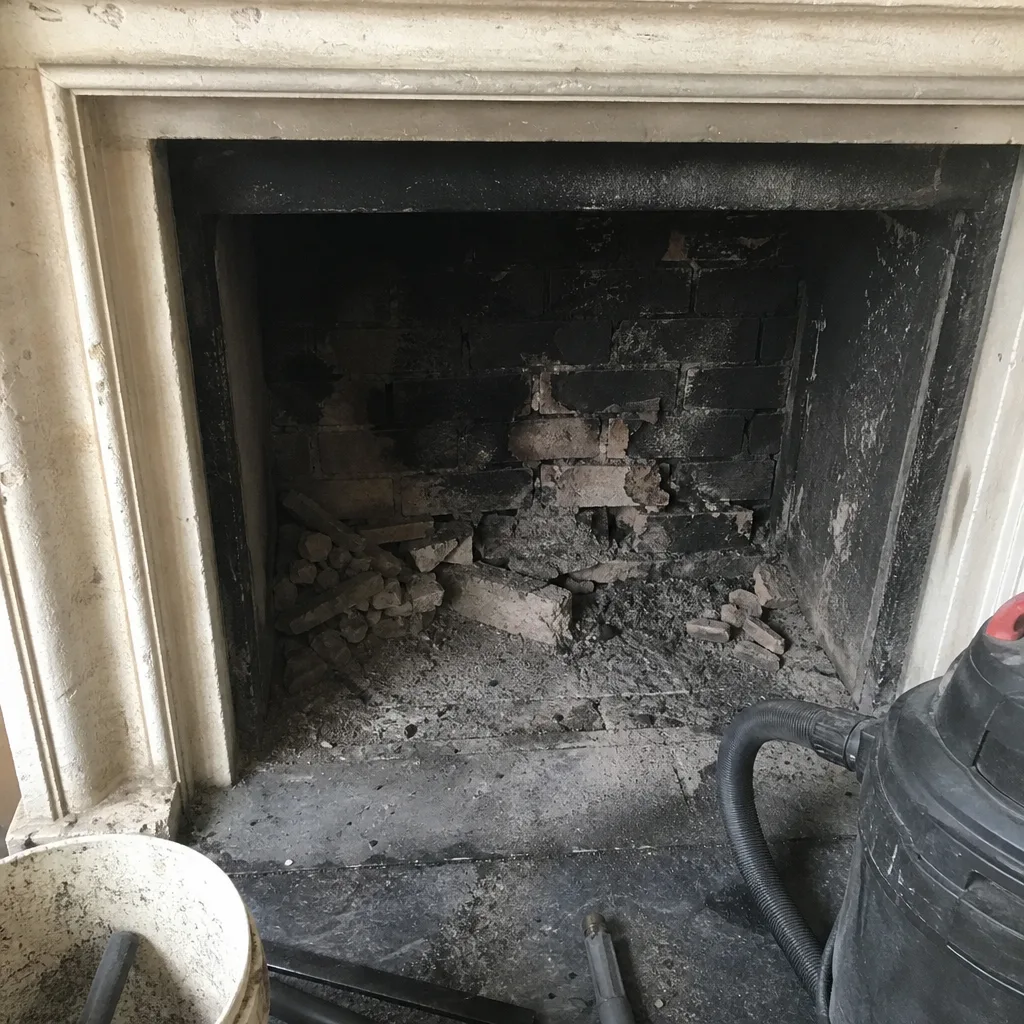 Before
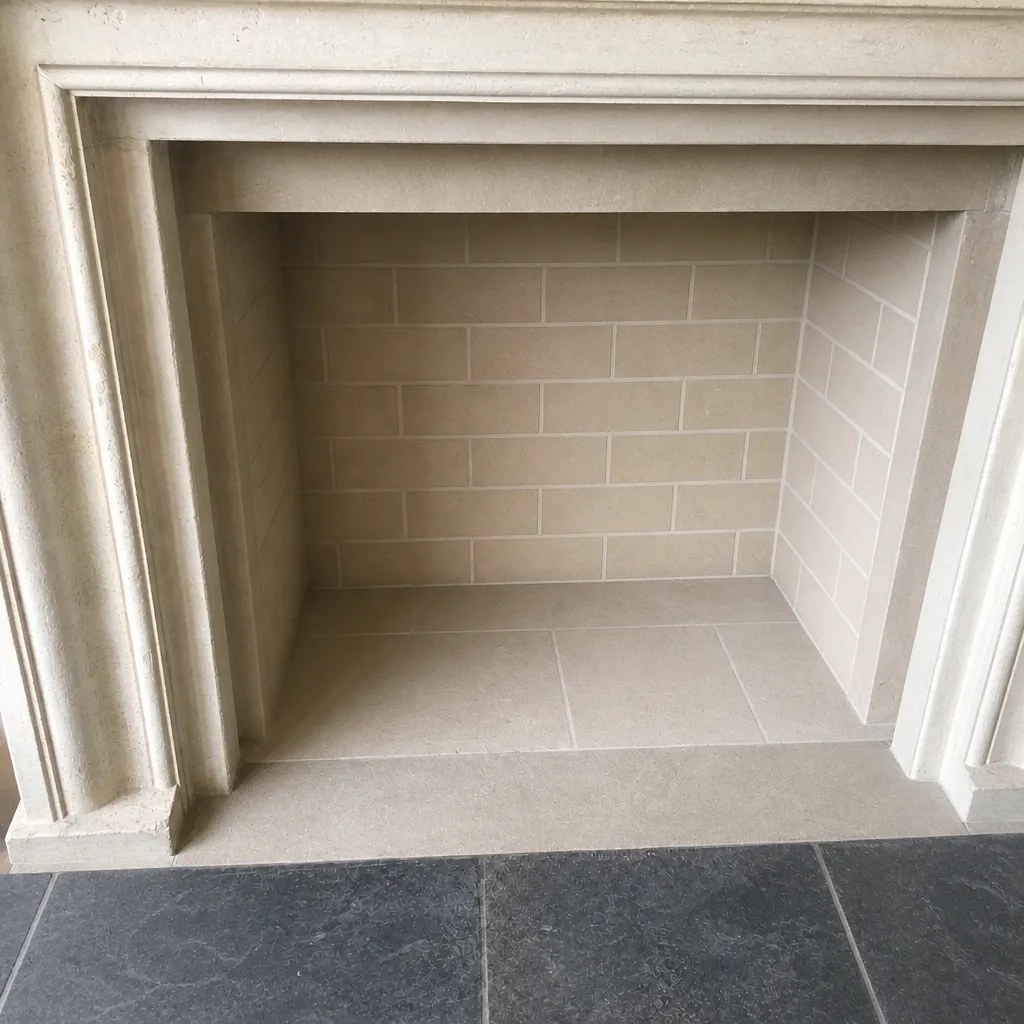 After
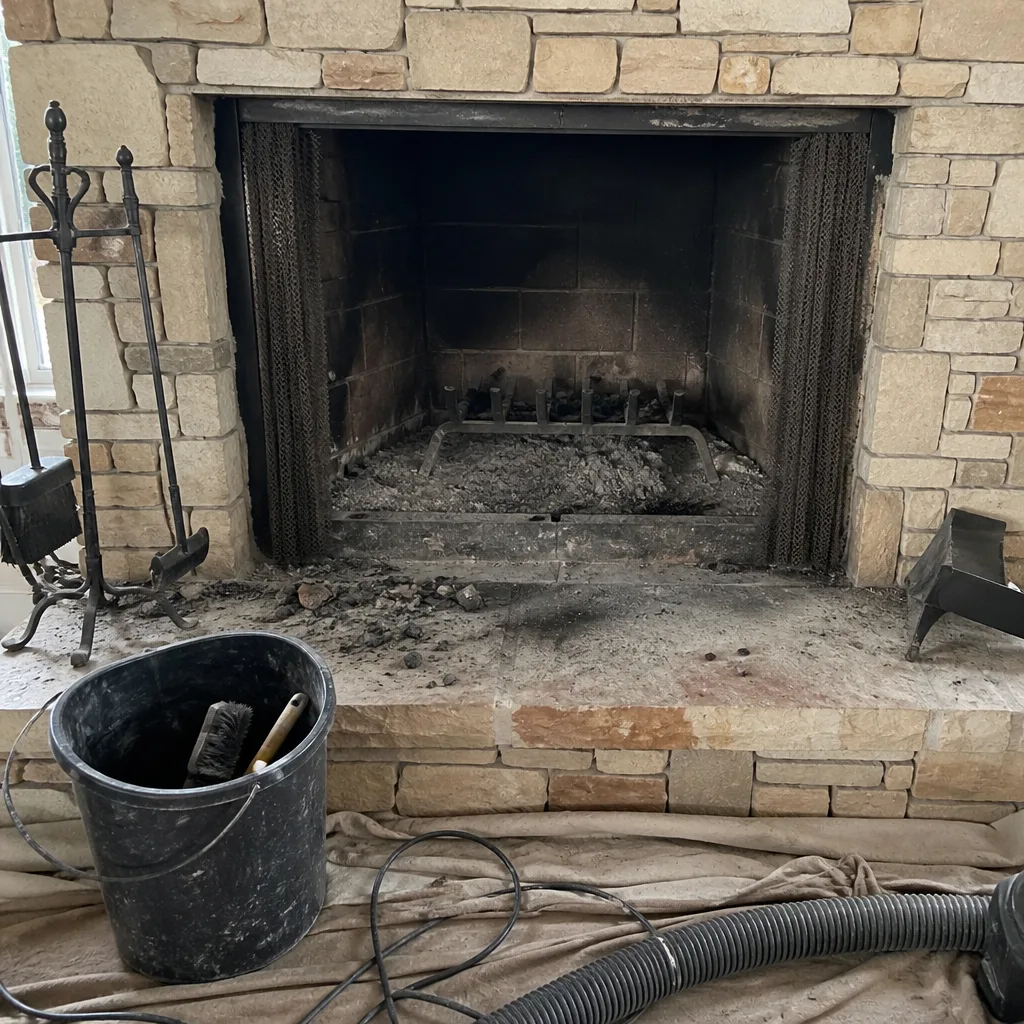 Before
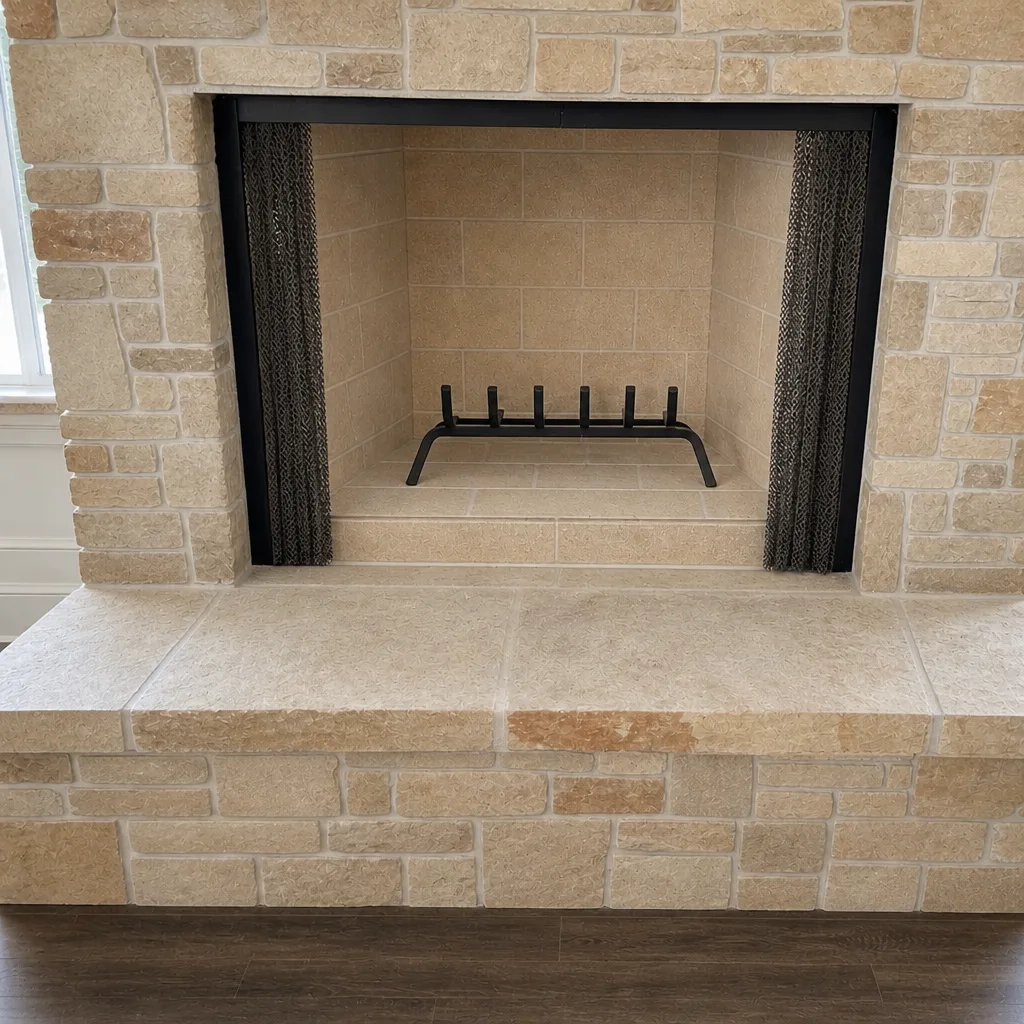 After
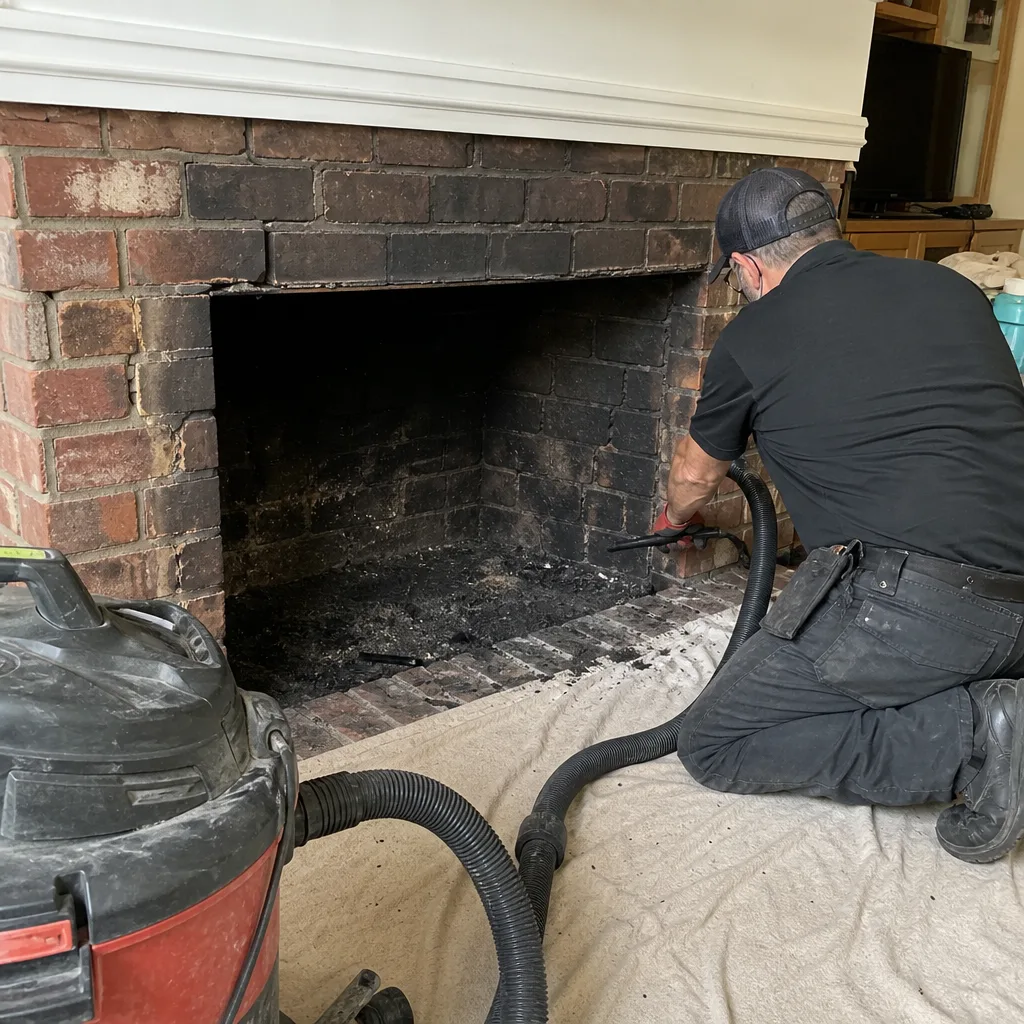 Before
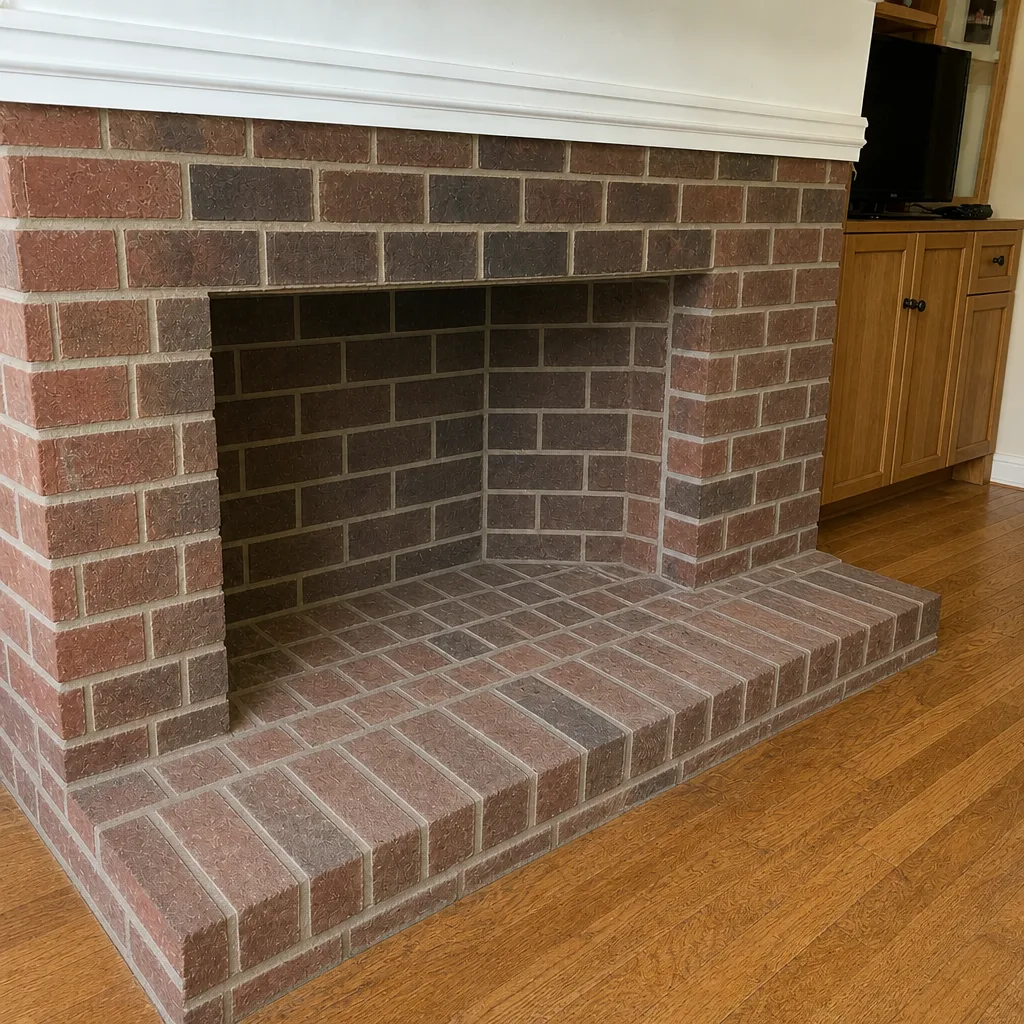 After
When to Call a Professional
Some chimney problems announce themselves. Others wait. Call a specialist when you see smoke backing into the room, when you smell a strong creosote odor on warm days, when you hear water dripping inside the firebox, when a damper won’t open or close smoothly, when you notice crumbling masonry or a cracked crown from the ground, or when your home hasn’t been inspected in more than a year. Any of those is a signal, and a professional can look at all of them during one visit.
The chimney is a system: cap, crown, liner, firebox. A sweep handles the flue, but the crown and cap work, the fireplace repair work, and the structural repair work are all part of keeping the system safe. We handle all of those under one roof, which means a homeowner never has to coordinate between a sweep company and a mason. Chimney Sweep Preston Hollow offers free estimates in Preston Hollow. Call (833) 769-0219. We answer 24/7. Fast dispatch from 7am to 7pm, Sunday through Friday.
For the crown, cap, and water intrusion side of the system, see our guide to professional chimney cap & crown service. It covers the components that sit above the roofline and explains what to look for from the ground.
Frequently Asked Questions
Chimney cleaning in Preston Hollow typically runs $150 to $350 for a standard single-flue sweep, and $250 to $450 with a camera inspection included. Multi-flue homes and add-on repairs push the total higher, but each item should be listed as its own line on the estimate. Call (833) 769-0219 for an exact quote. Estimates are free.
Not always. Many liner problems can be resurfaced in place with HeatShield rather than fully replaced, and some can wait if the damage is minor and the flue is otherwise intact. You should only approve liner work after seeing camera footage of the problem yourself, and the estimate should name the repair method. Call (833) 769-0219 to have the flue inspected with a camera and get an itemized estimate.
Most homes that use the fireplace regularly should be swept once a year, before the burning season starts. Homes that burn heavily, or that have multiple fireplaces in use, may need some flues swept more often than others. Call (833) 769-0219 to book a sweep and a documented inspection together.
Creosote builds up on the flue walls, and heavy creosote is the leading cause of chimney fires. A blocked or damaged flue can also fail to vent carbon monoxide out of the house. Skipping the sweep doesn’t stop the chimney from working, it just removes the inspection that tells you whether it’s working safely. Call (833) 769-0219 to schedule a sweep before the first fire of the season.
Each flue is a separate chimney system with its own creosote load, its own draft, and its own inspection needs. A home with three fireplaces is three jobs, not one, and each flue should appear as its own line on the estimate. Call (833) 769-0219 and give us the fireplace count when you book so the estimate is accurate from the start.
Yes, in almost every case. A camera inspection is the only way to see cracks, gaps, and offsets inside the flue, and it turns a recommendation into evidence you can check yourself. It’s also how you avoid being told you need thousands of dollars of work you can’t verify. Call (833) 769-0219 to have the flue inspected with camera documentation and a photo report.
The Bottom Line
Chimney cleaning cost in Preston Hollow in 2026 comes down to scope, not sticker price. A standard single-flue sweep with a documented inspection lands around $150 to $350, and a camera inspection, multi-flue count, or any repair work adds to that base. The numbers matter less than what they include, and the itemized estimate is the clearest signal of whether a contractor knows the job. Use the estimate to see what’s covered, ask for the camera footage on every recommendation, and don’t let a repair be sold to you without evidence. Our technicians have up to 9 years of experience, and we handle the sweep, the crown and cap work, the fireplace repair, and the structural repairs as one company, so the whole system stays in the hands of the people who inspected it. Call (833) 769-0219 for a free estimate. We answer 24/7. Fast dispatch from 7am to 7pm, Sunday through Friday.
Written by the team at Chimney Sweep Preston Hollow.