
Last updated November 22, 2026
 Sweep & inspection
 Caps & crowns
 Flue relining
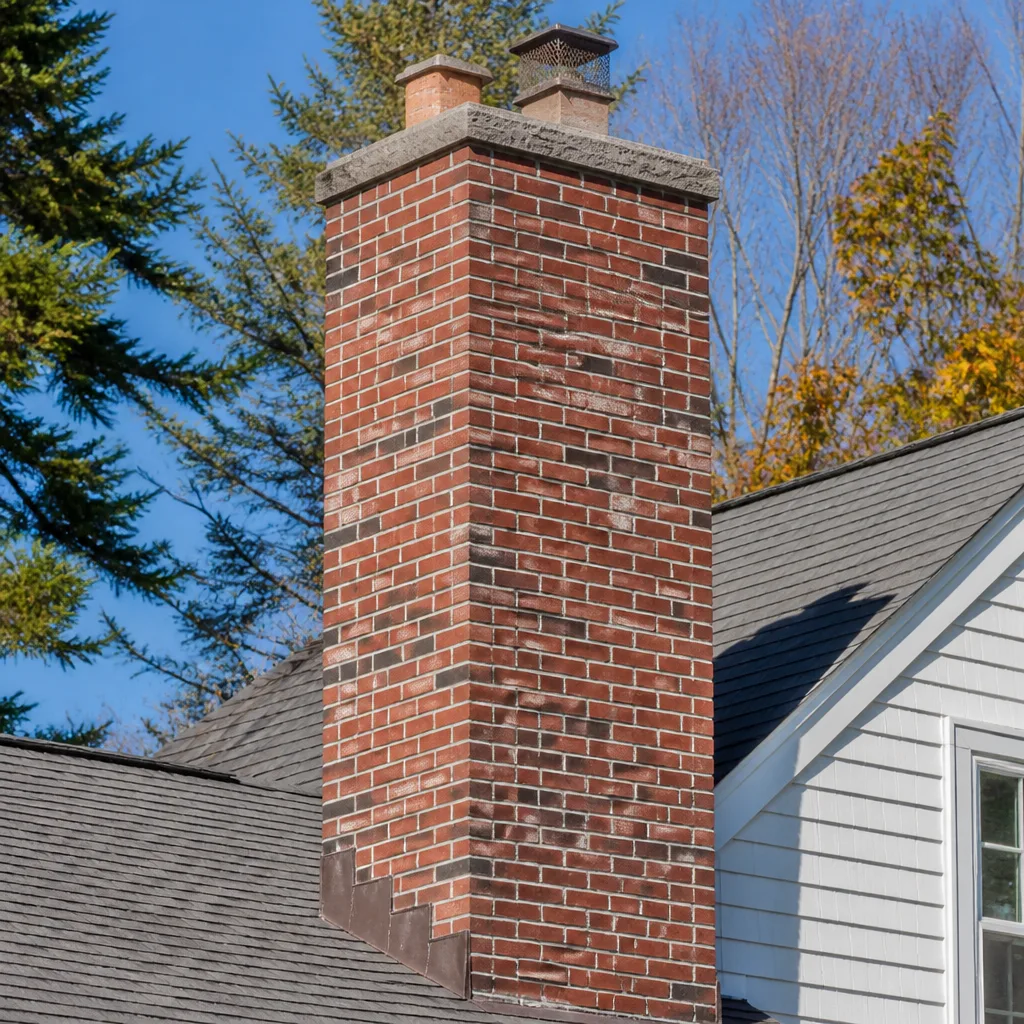 Masonry repair
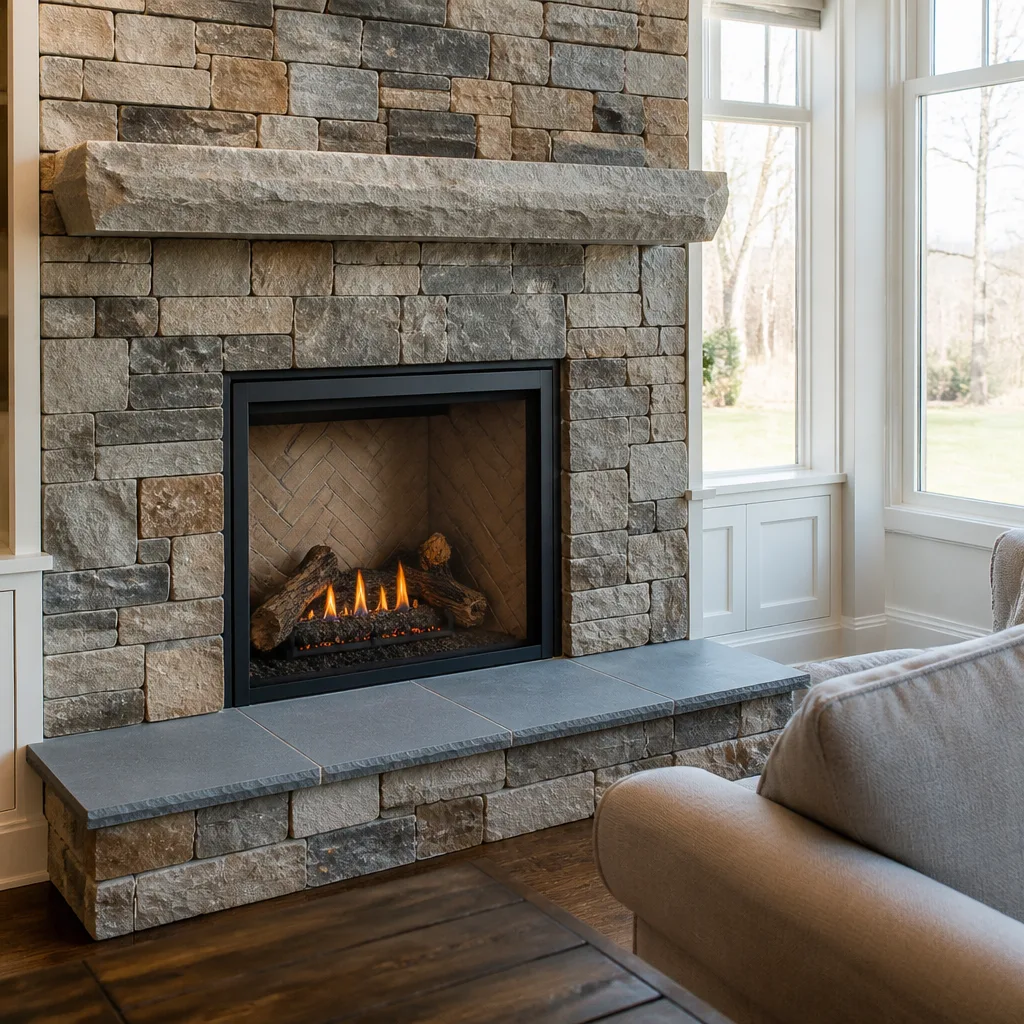 Gas fireplace service
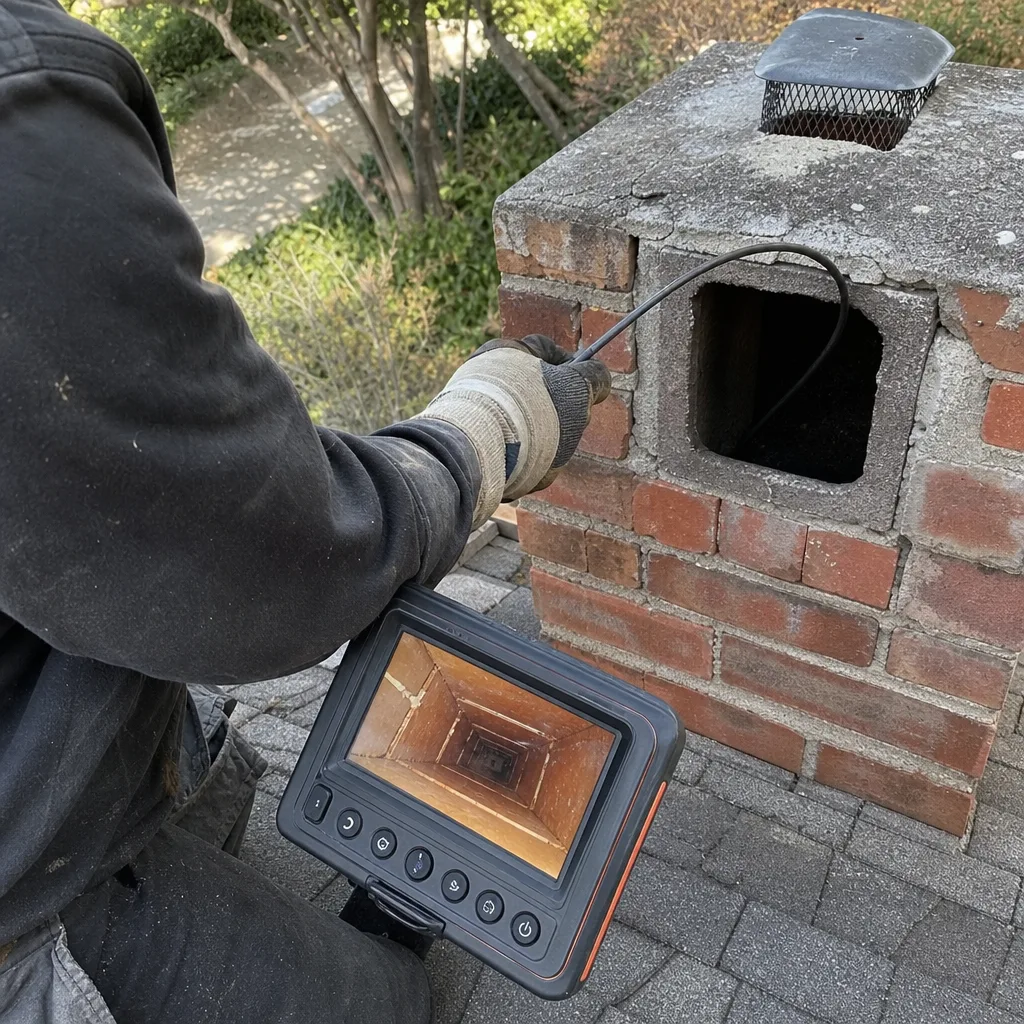
Level 1 sweep and inspection to the NFPA 211 annual standard - flue, crown, cap, and flashing checked and photographed
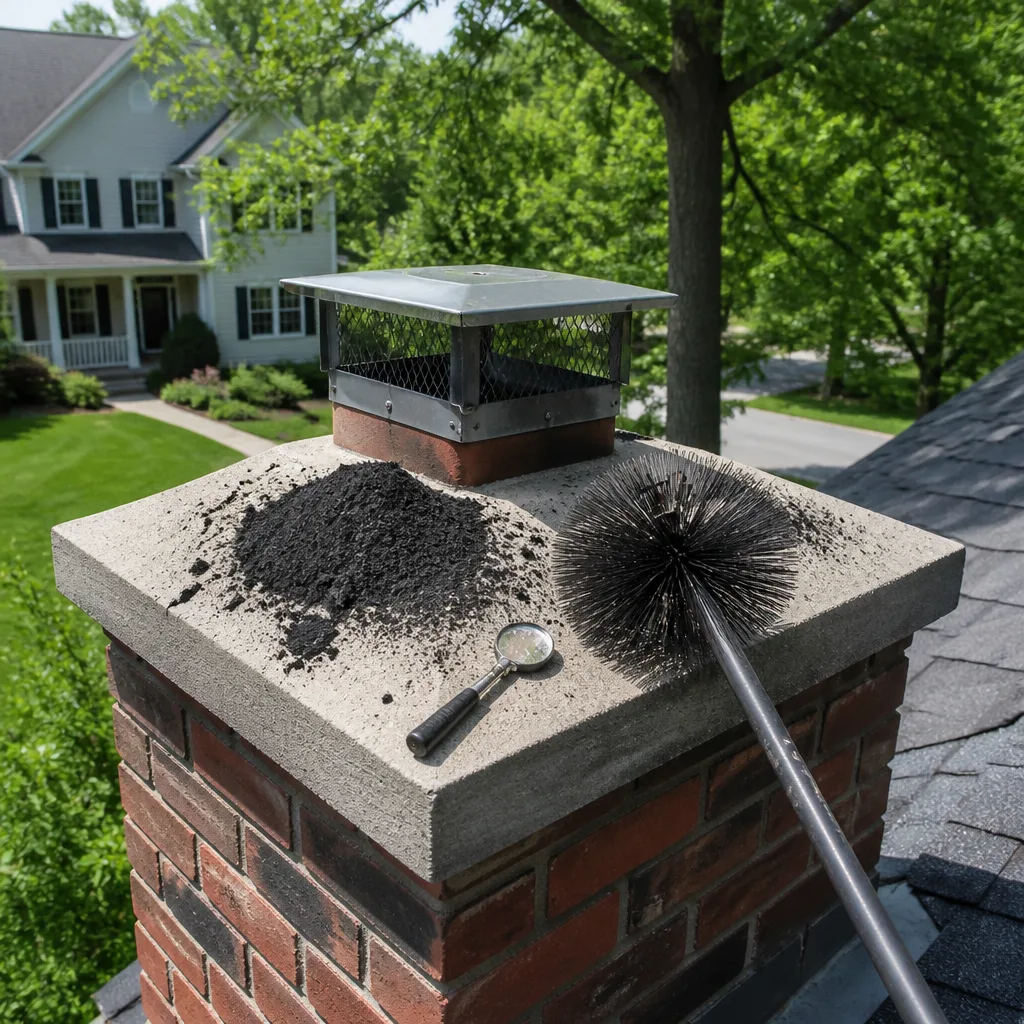
Chimney sweep logs do not sweep chimneys. They loosen some creosote - which then falls where a brush and vacuum still have to collect it.
Seasonal Chimney Cleaning Care for Preston Hollow: Year-Round Homeowner’s Guide
Most chimney care advice floating around the internet was written for Chicago or Boston, where a long hard winter dictates when you sweep and when you don’t. Preston Hollow doesn’t work that way. Our summers are hot and humid, our winters are mild with occasional sharp cold snaps, and our burning season is short but real. If you follow a northern guide, you’ll book your sweep at the wrong time and skip the inspection that matters most for a Dallas home.
This guide lays out a maintenance rhythm built for Preston Hollow’s actual climate. You’ll learn when to schedule a sweep, what summer humidity does inside a flue you haven’t used, what to do with a fireplace that’s sat idle for two or more seasons, and how gas logs change the picture. It’s the schedule we recommend to homeowners across the neighborhood.
Quick Answer
In Preston Hollow, the best time to schedule chimney cleaning is late September through mid-October, before the first fire of the season and after the worst of the summer humidity has passed. Pair that sweep with an inspection that checks the cap, crown, and liner, then close out the year with a post-season check in April. A fireplace that hasn’t burned in two or more seasons needs a full inspection before you light it, not just a sweep.
Styles & brands we work with
- Sweep & inspection
- Caps & crowns
- Flue relining
- Masonry repair
- Gas fireplace service
Table of Contents
- Why Preston Hollow’s Climate Changes the Chimney Calendar
- The Fall Window: Late September Through Mid-October
- What Summer Humidity Does to an Unswept Flue
- Lighting a Fireplace That Hasn’t Been Used in Two or More Seasons
- April Tasks: Why Closing the Damper Isn’t Enough
- Do Gas Logs Need the Same Seasonal Attention?
- Your Chimney Is a System: Cap, Crown, Liner, Firebox
- The Full Year-Round Calendar at a Glance
Why Preston Hollow’s Climate Changes the Chimney Calendar
Chimney advice written for cold climates is built around a long, heavy burn season. Northern homeowners might burn wood from October through April, racking up creosote fast enough that a mid-winter sweep sometimes makes sense. Preston Hollow burns differently. Most homes here light fires from November into February, with a handful of cold snaps that push usage higher for a week or two. That short, intense season concentrates creosote production into a compressed window.
Then comes the part northern guides ignore: summer. Months of heat and humidity sit over Preston Hollow long after the last fire goes out. Relative humidity in a Dallas summer routinely climbs high enough that an unswept flue becomes a damp, closed environment. Creosote that was soft and flaky in February can harden through the summer into a glazed, tar-like deposit that’s far more difficult to remove in October. That’s the core reason the local rhythm differs from what you’ll read in a general seasonal guide.
Our mild winters matter too. Because freezing temperatures are uncommon and brief, we don’t see the prolonged freeze-thaw stress that cracks masonry in colder regions. But occasional freeze spikes still put pressure on a crown or a mortar joint that’s already degraded. A crown with a hairline crack might hold through a mild winter and fail during a single hard freeze the following year. That’s why an inspection in Preston Hollow focuses on the exterior masonry and the cap, not just the flue interior.
The practical takeaway: in Preston Hollow, chimney care is a two-part year. Fall is for cleaning and prepping the flue. Spring is for checking the exterior and the top of the system after the burn season and before summer humidity settles in. Here’s the rhythm we recommend for homeowners who want one specialist handling every step:
- Late September to mid-October: sweep and full inspection before burning
- November through February: burn season, with a quick flue check if usage runs heavy
- March to April: post-season inspection of cap, crown, and exterior masonry
- May through August: keep the flue capped and dry; address any repair found in spring before humidity sets in
The Fall Window: Late September Through Mid-October
If you take one scheduling tip from this guide, make it this: book your fall sweep for late September through mid-October, not for November or December. There are two reasons, one practical and one physical.
The practical reason is the calendar itself. By the time the first genuinely cold morning arrives in Preston Hollow, most homeowners suddenly want their chimney serviced. That compressed demand means the best time to have your flue cleaned and inspected is before the rush, while scheduling is still flexible and a full inspection can be done without pressure. Booking in late September means the work is finished before you ever need the fireplace.
The physical reason is creosote. A flue that sat through a hot, humid summer has had months for deposits to harden. A sweep in October catches that hardened creosote before a second burn season adds fresh layers on top. Waiting until after the first fire means you’re adding new deposits to old ones, and the combined buildup is harder to remove. A clean flue reduces creosote buildup, and creosote is the leading cause of chimney fires. Cleaning before the season starts is how you prevent that buildup rather than reacting to it.
So the ideal fall sequence looks like this:
- Call in late September to schedule your chimney sweep and inspection together.
- Have the flue swept to remove summer-hardened deposits and any debris that found its way in.
- Have the full system inspected: flue, firebox, damper, cap, crown, and exterior masonry.
- Address any repair the inspection turns up before the first fire.
- Confirm your cap is secure so fall leaves and wildlife stay out through the season.
If you’ve waited until November and haven’t booked yet, don’t skip the sweep out of fear it’s too late. A sweep at that point is still smart; you’ll just have less flexibility on timing. The ideal window is September and October, but the important thing is that the flue gets cleaned and inspected before you rely on it.
What Summer Humidity Does to an Unswept Flue
Here’s the mechanism most seasonal guides skip. Creosote forms in stages. Early-stage creosote is soft, sooty, and easy to brush away. Stage two is flaky and crusty. Stage three is glazed, hard, and stubborn. What moves creosote from soft to glazed isn’t only heat; it’s time, moisture, and repeated exposure. A Preston Hollow summer delivers all three to an unswept flue.
Throughout June, July, and August, humid outdoor air moves through an uncovered or poorly capped flue. If the flue hasn’t been swept, that moisture interacts with the creosote film already on the walls. Over weeks, the deposit dries, cures, and hardens. By October, a flue that would have swept cleanly in March now holds deposits that resist a standard brush and may need a more aggressive approach.
This is why we tell homeowners in Preston Hollow that the single easiest way to make your fall sweep harder is to skip the spring inspection. Soft creosote in April becomes hard creosote by October. Two things prevent that hardening loop:
- Sweep before summer, if your burn season was heavy. Removing fresh deposits in March or April means there’s nothing left to harden over the humid months.
- Keep the flue capped and the damper closed. A proper chimney cap & crown keeps rain, humidity, and animals out, which is the best defense against moisture-driven creosote hardening.
A chimney cap is the cheapest insurance against the whole problem. In our experience, most water intrusion into a chimney starts at the top, where a missing or damaged cap lets rain straight into the flue. We use Gelco and Famco components for cap and crown work because they hold up to Texas sun and weather. A cap that keeps the flue dry through summer protects the creosote situation, the liner, and the masonry all at once.
Lighting a Fireplace That Hasn’t Been Used in Two or More Seasons
A fireplace that’s sat idle for two or more seasons needs more than a sweep before you light it. Idle time lets problems develop that a quick brush won’t catch. Debris piles up, animals move in, dampers seize, mortar crumbles, and a liner that was fine when you last used the fireplace may have cracked from seasonal moisture and temperature swings. Before the first fire in a long-idle fireplace, do a full inspection.
Our recommended sequence for a dormant fireplace:
- Look up the flue before anything else. Shine a light up the chimney. If you see leaves, a bird’s nest, or daylight where there shouldn’t be, don’t light a fire. Call a professional to clear it.
- Check the damper. Make sure it opens and closes fully. A seized damper is common after years of disuse and needs to be freed before burning.
- Book an inspection before a sweep. For a fireplace that hasn’t been used in two or more seasons, an inspection comes first. An inspector needs to confirm the flue is sound before a sweep, because sweeping a damaged liner can make things worse. An inspection catches small cracks before they become structural problems.
- Sweep once the flue is confirmed sound. Remove two seasons’ worth of debris, dust, and any creosote from the last time it was used.
- Address any repair before the first fire. Cracked firebox mortar, a damaged liner, a loose crown, or a missing cap should all be resolved first.
The order matters. For an active fireplace that gets swept every year, a sweep and inspection often happen together. For a dormant one, the inspection leads. If the inspection turns up a cracked flue, HeatShield liner resurfacing can restore a damaged flue without demolishing it, which saves an idle fireplace from turning into a major construction project. That’s the kind of repair a sweep-only company has to turn away, and it’s why full-service coverage matters for a fireplace that’s been sitting.
April Tasks: Why Closing the Damper Isn’t Enough
Once the burn season ends in Preston Hollow, most homeowners close the damper and forget the chimney until fall. That’s the most common seasonal mistake we see. Closing the damper stops air from moving up the flue from inside the house. It does nothing to stop what comes down from above.
Over spring and summer, an uncapped or damaged flue lets in rain, leaves, twigs, birds, squirrels, and insects. Debris that falls in accumulates at the smoke shelf and can block the flue. Moisture that enters rusts the damper assembly and softens mortar. None of that gets better by waiting until October. Here’s what we recommend for the post-season in April:
- Inspect the cap. A cracked or missing cap is the number-one source of water intrusion. Replace it before summer rain season.
- Check the crown. The crown is the concrete top that sheds water away from the chimney. Cracks in the crown let water into the masonry, which is how chimney exteriors degrade. A crown repair in April prevents a structural chimney repair down the road.
- Look at the exterior masonry. Walk outside and look at the brick and mortar joints. Crumbling mortar or visible gaps are worth a professional inspection before humidity gets into them.
- Sweep if your burn season was heavy. If you burned a lot of wood this season, a spring sweep clears fresh deposits before they harden over summer.
- Close the damper and cap the flue. Both, not one or the other. The damper handles inside air; the cap handles outside weather and wildlife.
April is also the right time to schedule any repair the inspection finds. Spring repairs get finished before summer humidity and before fall scheduling pressure. If a liner is damaged, a DuraFlex flexible liner system can be installed as a full relining solution, and doing it in spring means the fireplace is ready to go when the cold returns.
Do Gas Logs Need the Same Seasonal Attention?
Yes, a gas log fireplace needs seasonal attention too, just differently. A wood-burning fireplace’s main concern is creosote. A gas fireplace doesn’t produce creosote, but it does produce moisture, and it can still accumulate dust, soot, and debris in the flue and firebox. The seasonal rhythm is the same: check before the season, check after.
Here’s what differs for gas logs:
- No creosote, but still a flue check. Gas fireplaces vent combustion byproducts and moisture. The venting system needs to be clear of debris and nests just like a wood-burning flue.
- Moisture matters more. Gas combustion produces water vapor. If the vent is blocked or the cap is damaged, that moisture has nowhere to go and can degrade the firebox and venting over time.
- Watch for soot and dust buildup. Gas logs accumulate dust and soot on the logs and in the firebox. A cleaning and inspection each season keeps the fireplace running cleanly.
- Check the logs and burner. Gas logs can crack or shift over time. An inspection confirms the logs are intact and the burner is clear, which matters for safe, clean combustion.
- Verify the cap between seasons. A gas fireplace is still vulnerable to water intrusion through the top of the flue. A working cap protects it just like a wood-burning chimney.
For gas fireplaces, our annual check combines an inspection with a cleaning, and we treat the fireplace as part of the same chimney system we service for wood-burning homes. If your gas fireplace needs repair, our fireplace repair service covers the firebox, logs, burner, and venting. The seasonal schedule doesn’t change based on fuel type; only the specific checks do.
Your Chimney Is a System: Cap, Crown, Liner, Firebox
It helps to think of a chimney not as a single pipe but as a system of four connected parts. Each one protects the others, and a failure in one puts stress on the rest. Understanding the system is what makes seasonal care make sense.
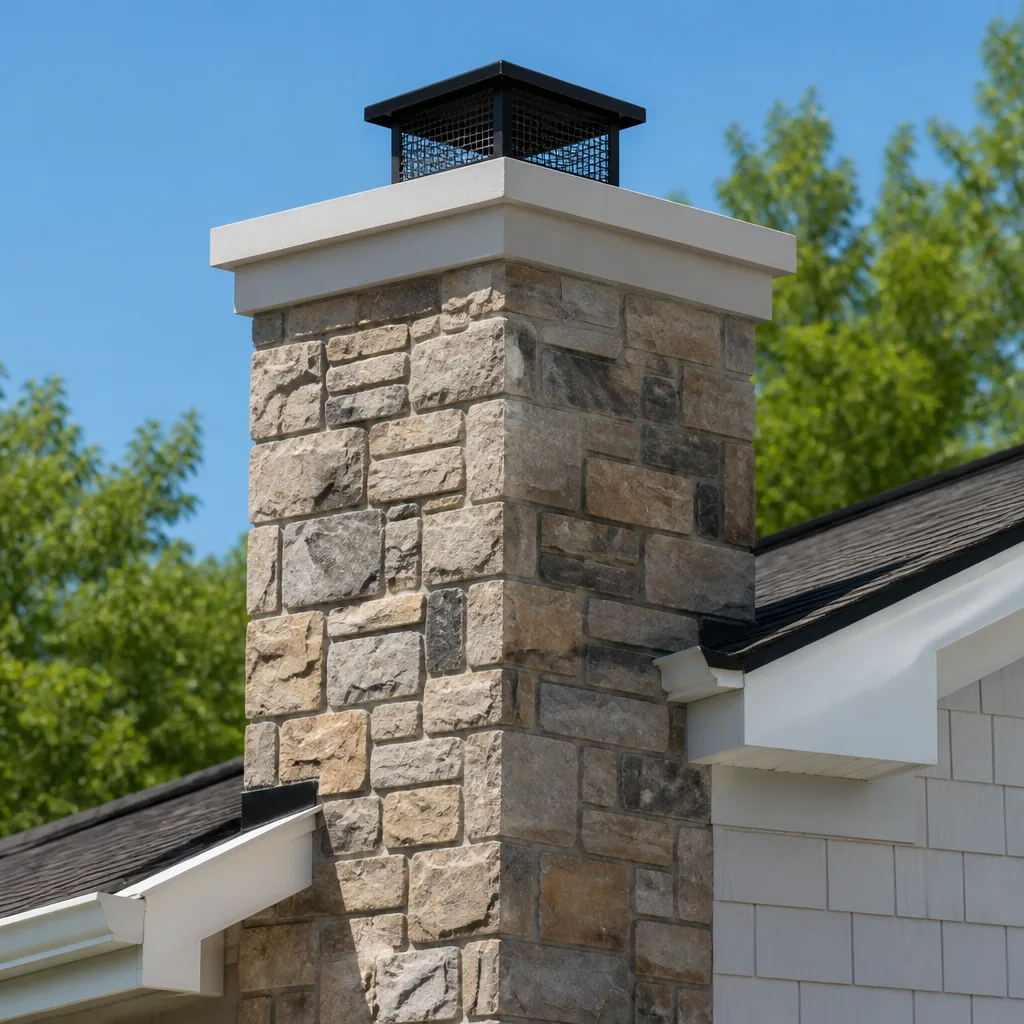
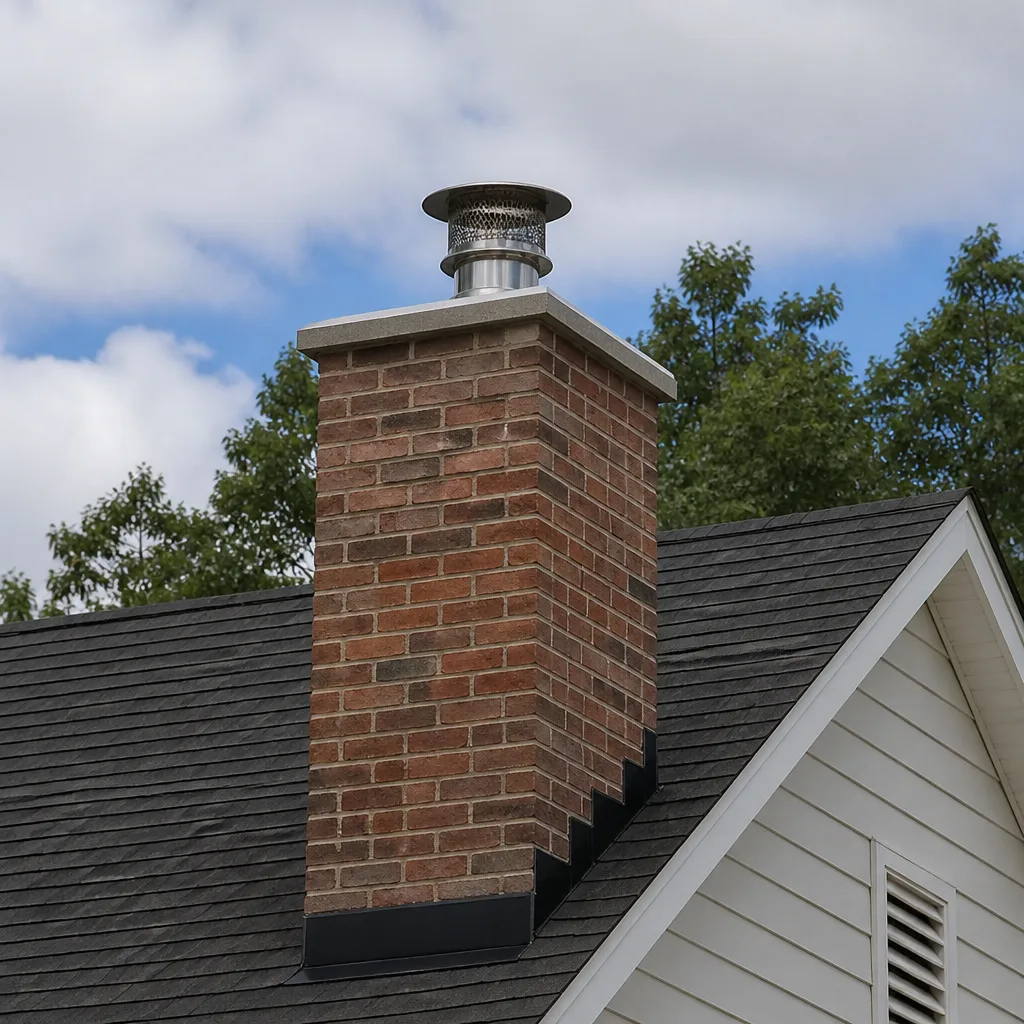
The cap. Sits on top and keeps rain, animals, and debris out. A missing or cracked cap lets water into the flue. We use Gelco and Famco components for cap work because they hold up to sun and weather in Preston Hollow. The cap is the first line of defense and the easiest thing to fix.
The crown. The concrete or masonry top that sheds water off the chimney structure. A cracked crown lets water seep into the brickwork. Crown repair in spring prevents structural chimney repair later.
The liner. The flue lining that carries smoke and gases up and out. A damaged liner exposes the surrounding structure to heat and creosote. HeatShield flue resurfacing can restore a damaged liner in place. For a liner that needs full replacement, a DuraFlex flexible liner system is the solution.
The firebox. Where the fire burns. Cracks in the firebox mortar let heat and moisture into the structure. Firebox repair restores the masonry before it fails.
When one part fails, the rest are at risk. A missing cap lets water in, which rusts the damper and softens mortar, which weakens the crown, which lets more water in. That’s a system failure, and it’s why we service all of it. From inspection through repair and replacement, our Chimney Sweep Preston Hollow team handles chimney sweeping, inspection, cap and crown work, fireplace repair, and structural chimney repair with no handoffs between contractors.
The Full Year-Round Calendar at a Glance
Here’s the schedule in one place, built for Preston Hollow’s climate and burn season:
- Late September to mid-October: Chimney sweep plus full inspection. This is the primary annual service. Clean hardened creosote before the first fire and catch any cracks or liner damage before winter.
- November through February: Burn season. If you burn heavily, a mid-season flue check can catch fresh deposits before they build up. This is also when a failed cap is most noticeable, since rain and cold find their way in.
- March: After the last fire, evaluate the season. Was usage heavy? Was creosote significant when you swept in the fall? If so, plan a spring sweep.
- April: Post-season inspection of the cap, crown, and exterior masonry. Repair anything the inspection finds before summer humidity. This is also the ideal time for a spring sweep or a liner repair.
- May through August: Keep the flue capped and the damper closed. Address any pending repair. Skip the summer months for a reason: the flue is idle, so repairs completed now are ready for fall.
A chimney that hasn’t been used in two or more seasons jumps to the front of the list. Inspect before you light it, not just before you sweep it. And if you’ve never had the system inspected since moving in, start now with a full inspection.
Common Mistakes to Avoid
- Following a northern seasonal calendar. Booking a single fall sweep and skipping the spring check misses the part of the year that matters most in Preston Hollow: the humid summer, when moisture and hardening creosote do their damage.
- Closing the damper and calling it done for summer. The damper handles air from inside the house. It does nothing about rain, leaves, and animals coming down through an uncapped flue.
- Lighting a fireplace that hasn’t been used in years without an inspection first. A dormant fireplace needs an inspection before a sweep. Sweeping a damaged liner makes the damage worse.
- Assuming a gas log fireplace needs no seasonal care. It needs the same before-and-after check as wood-burning, with attention to moisture, soot, and venting rather than creosote.
- Ignoring a cracked crown until it becomes a structural problem. A hairline crack in the crown lets water into the masonry. Left alone, it moves from crown repair to structural chimney repair.
- Wrong time of day to worry about. We dispatch Sunday through Friday, 7am to 7pm, and we’re closed Saturday. Don’t count on a Saturday appointment.
- Waiting for the fall rush to schedule. The best window is September into October, before everyone else in Preston Hollow books at once.
See the difference
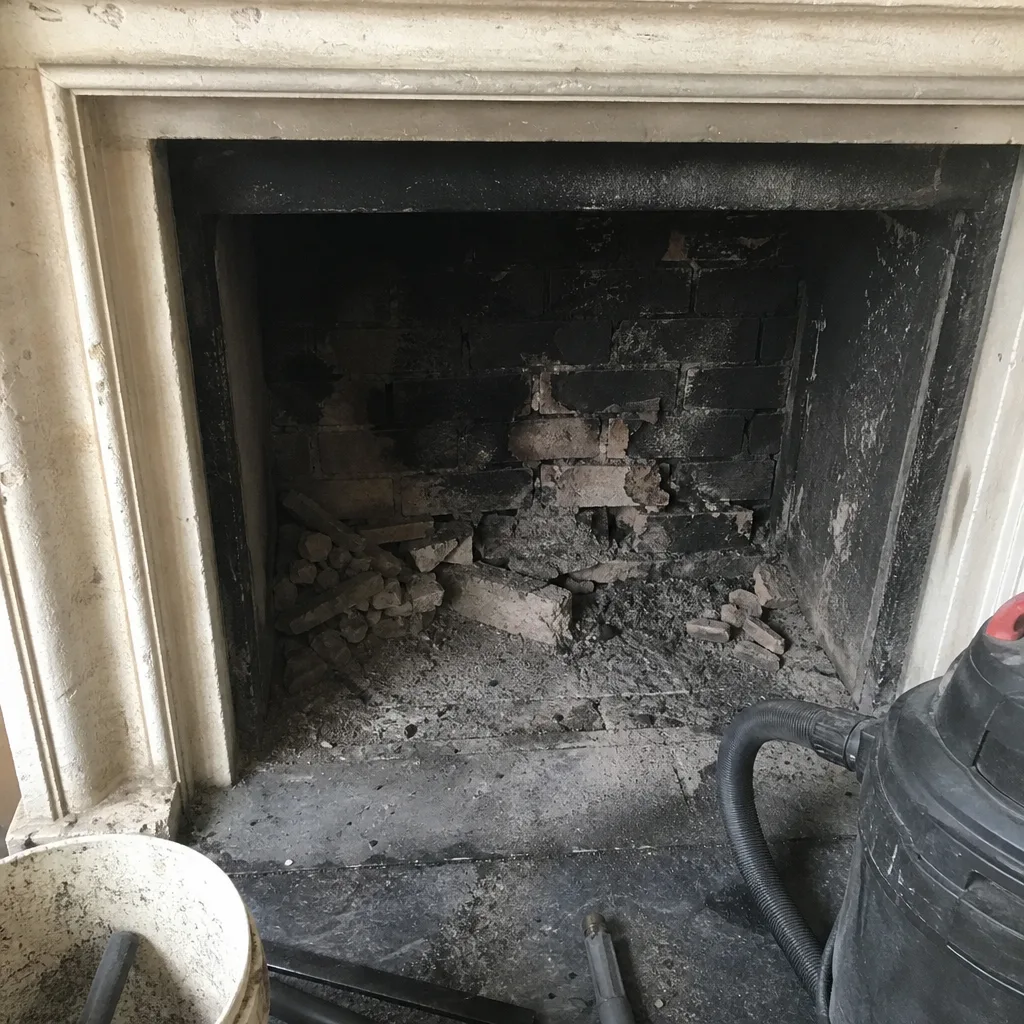 Before
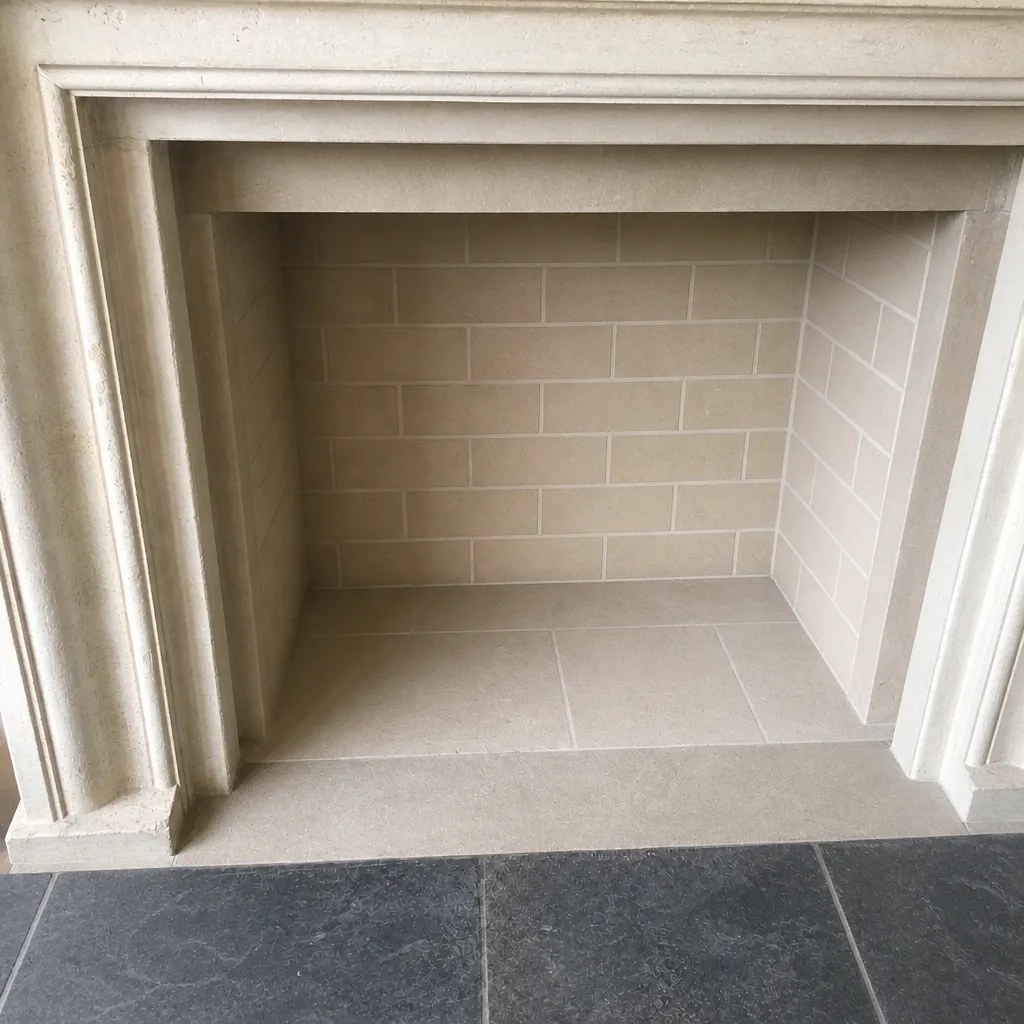 After
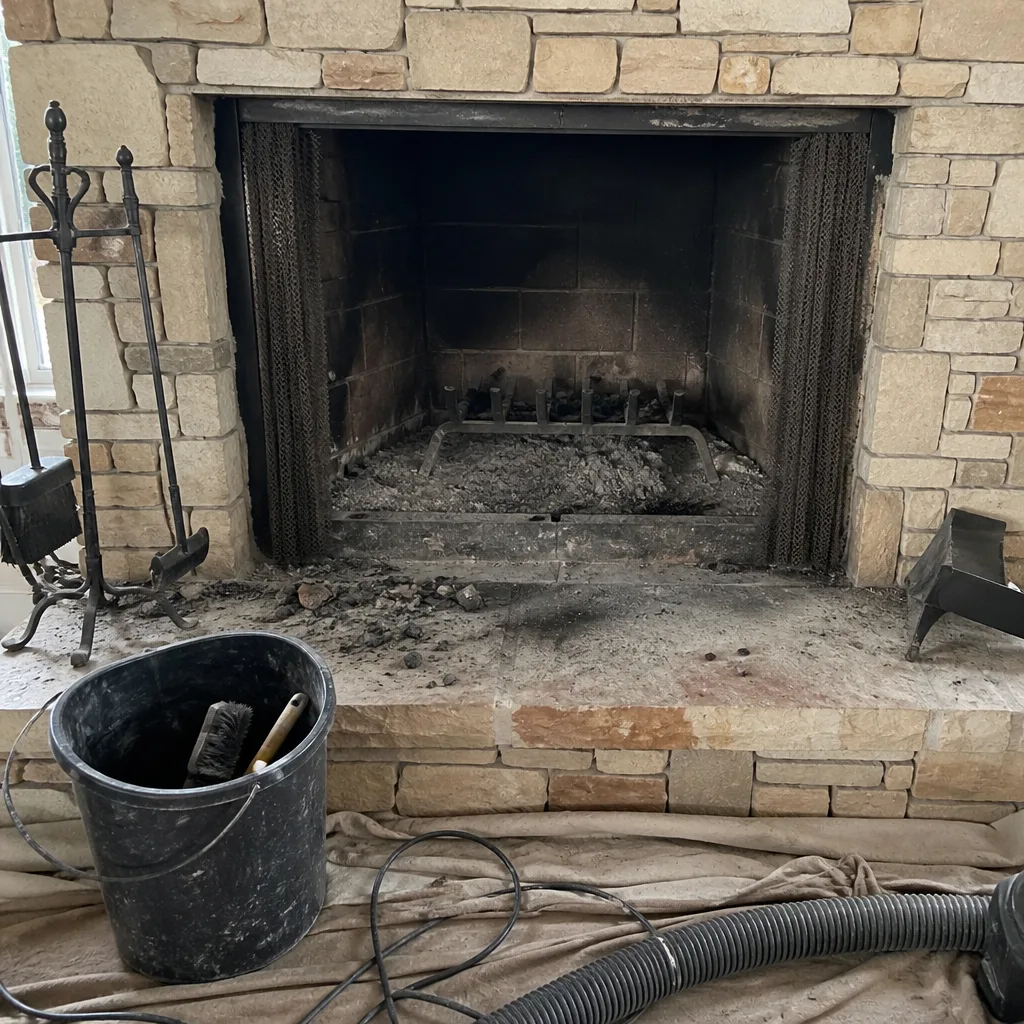 Before
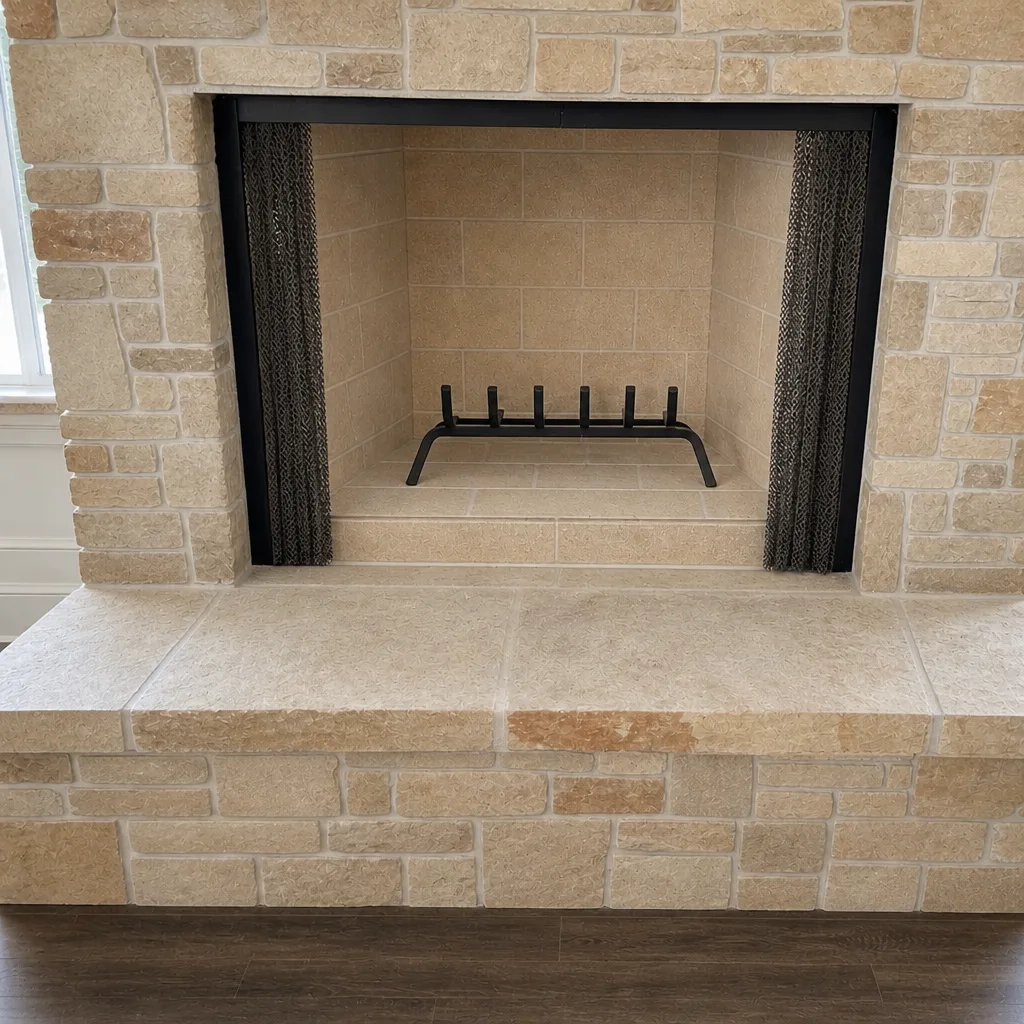 After
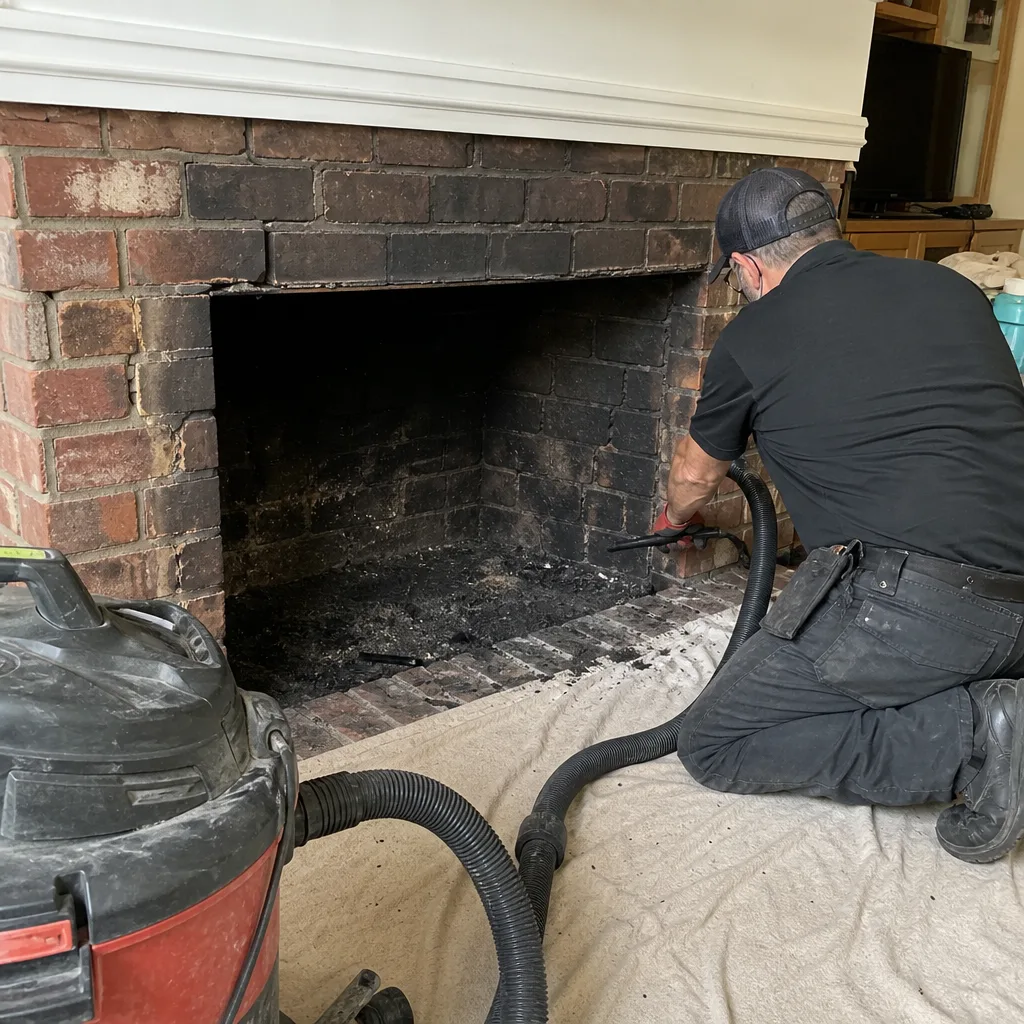 Before
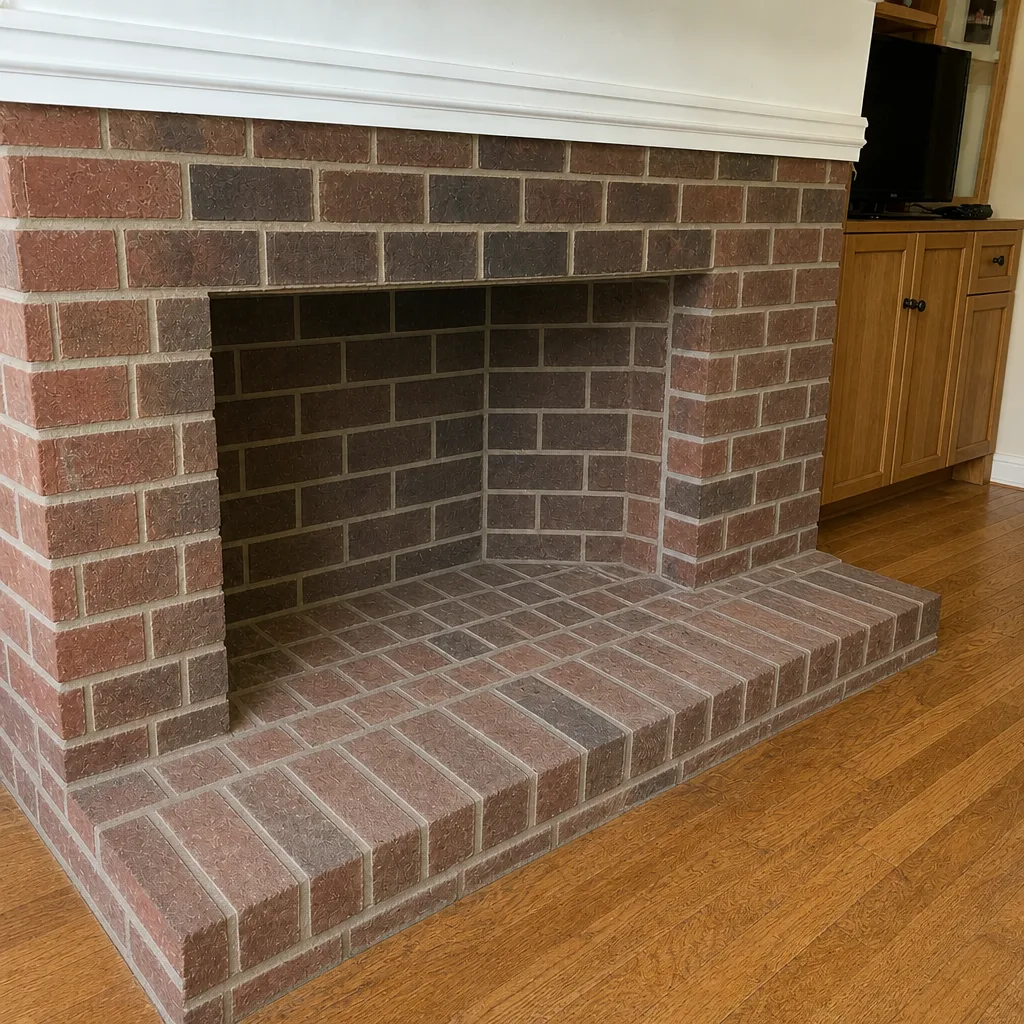 After
When to Call a Professional
Some chimney tasks are for a trained professional, not a homeowner with a brush. Call us if you can’t remember the last time the flue was swept, if a fireplace hasn’t been used in two or more seasons, if you see cracks in the firebox or exterior masonry, if the cap or crown looks damaged, if the damper won’t open or close, or if smoke blows back into the room when you burn. Those signs point to issues an inspection needs to sort out. We also recommend a professional inspection after any chimney fire, even a small one. Chimney Sweep Preston Hollow provides residential chimney services across Preston Hollow, and our technicians have up to 9 years of experience. New to the neighborhood? Call (833) 769-0219 and we’ll schedule a full inspection before your first fire.
Frequently Asked Questions
Late September through mid-October is the ideal window. That timing cleans summer-hardened creosote before the first fire and lets a full inspection catch any damage before the burn season begins. If you’ve missed the window, a sweep is still worth doing at any point; earlier is just easier on the flue. Call (833) 769-0219 to book and get an exact estimate.
Once a year for most homes, timed to late September or October. If you burn heavily through the season, or if you’ve skipped a sweep and creosote has had a full humid summer to harden, a second spring sweep makes sense. A chimney that hasn’t been used in two or more seasons needs an inspection before anything else. Call (833) 769-0219 for a free estimate.
Only if the inspection shows the current liner is cracked or damaged. Many flues that a sweep-only company would call “dead” can be restored with HeatShield flue resurfacing, which is less invasive than a full reline. If the liner truly needs replacement, a DuraFlex flexible liner system handles that. We confirm with the inspection before recommending either. Call (833) 769-0219 to schedule an inspection.
Yes, just differently. A gas fireplace doesn’t produce creosote, but it produces moisture and can collect soot, dust, and debris in the firebox and venting. The cap still needs to keep water out, and the logs and burner should be checked. We service gas and wood-burning fireplaces on the same before-and-after seasonal rhythm. Call (833) 769-0219 for an estimate.
Creosote builds up inside the flue. It’s flammable, and it’s the leading cause of chimney fires. Skipping the sweep also means a cracked crown, damaged cap, or failing liner can go unnoticed for another year. The inspection is half the value of the annual service. Call (833) 769-0219 to get on the schedule.
Inspect it before you light it, and inspect it before you sweep it. Idle time lets debris accumulate, animals nest, dampers seize, and liners develop cracks. The sequence is inspection first, then sweep once the flue is confirmed sound, then repair anything found before you burn. Call (833) 769-0219 to book the inspection.
The Bottom Line
Preston Hollow’s chimney calendar is built around two seasons, not one. Fall is for a sweep and full inspection before the burn season; spring is for checking the cap, crown, and exterior before the long humid summer hardens creosote and lets moisture into the masonry. A dormant fireplace needs an inspection first. A gas log fireplace needs the same rhythm, with different checks. One full-service chimney specialist handling every step means no handoffs between a sweep company, a roofer, and a masonry contractor. That’s the schedule we recommend across Preston Hollow, and it’s how you keep a fireplace working safely year after year.
Ready to get on the schedule? Call (833) 769-0219 for a free estimate. We answer 24/7. Fast dispatch from 7am to 7pm, Sunday through Friday.
Written by the team at Chimney Sweep Preston Hollow.