
Last updated November 22, 2026
 Sweep & inspection
 Caps & crowns
 Flue relining
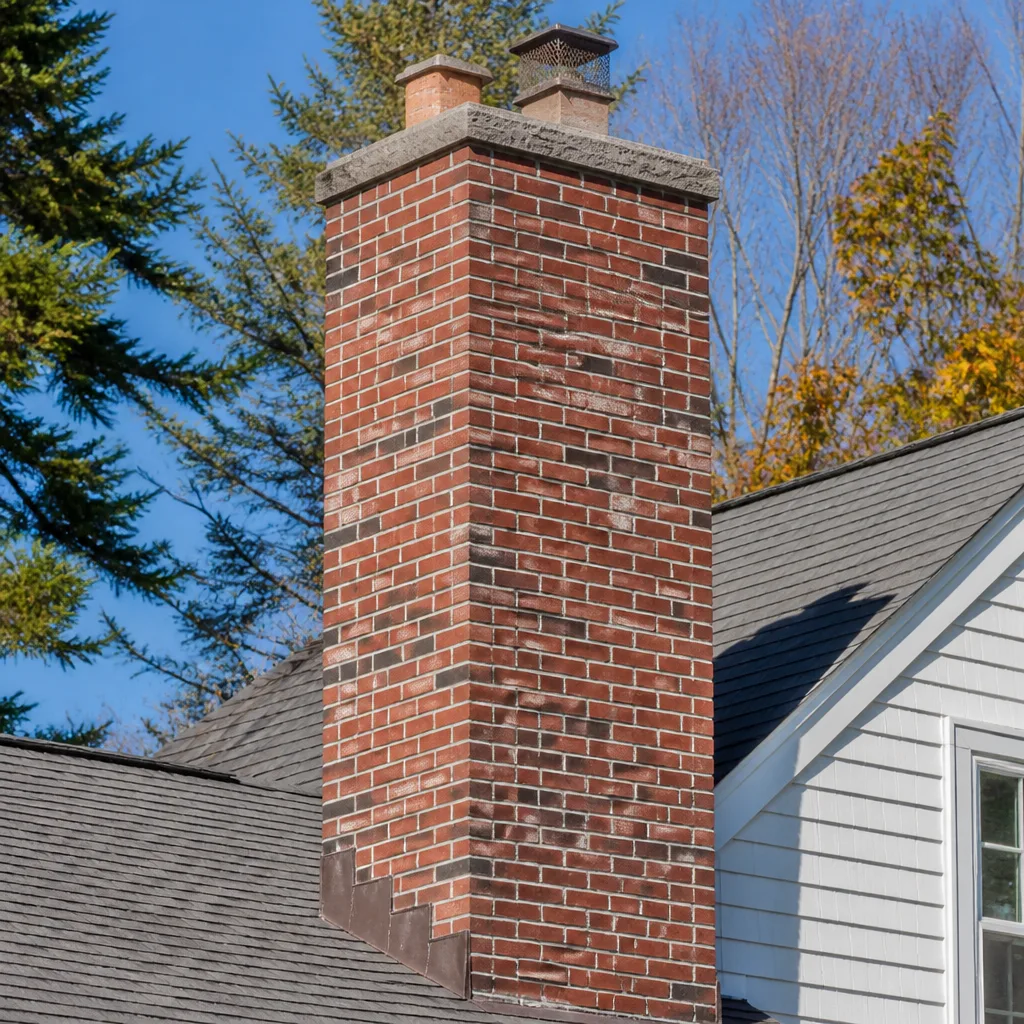 Masonry repair
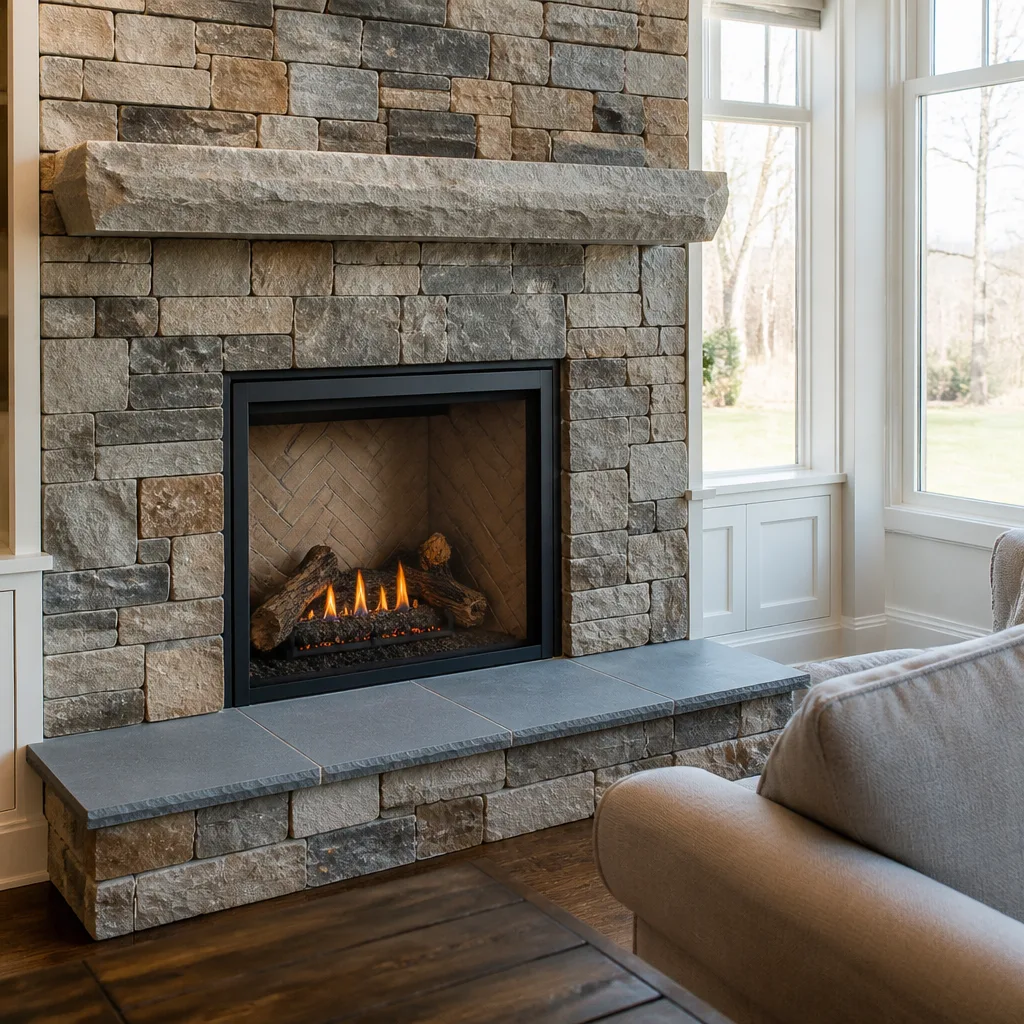 Gas fireplace service
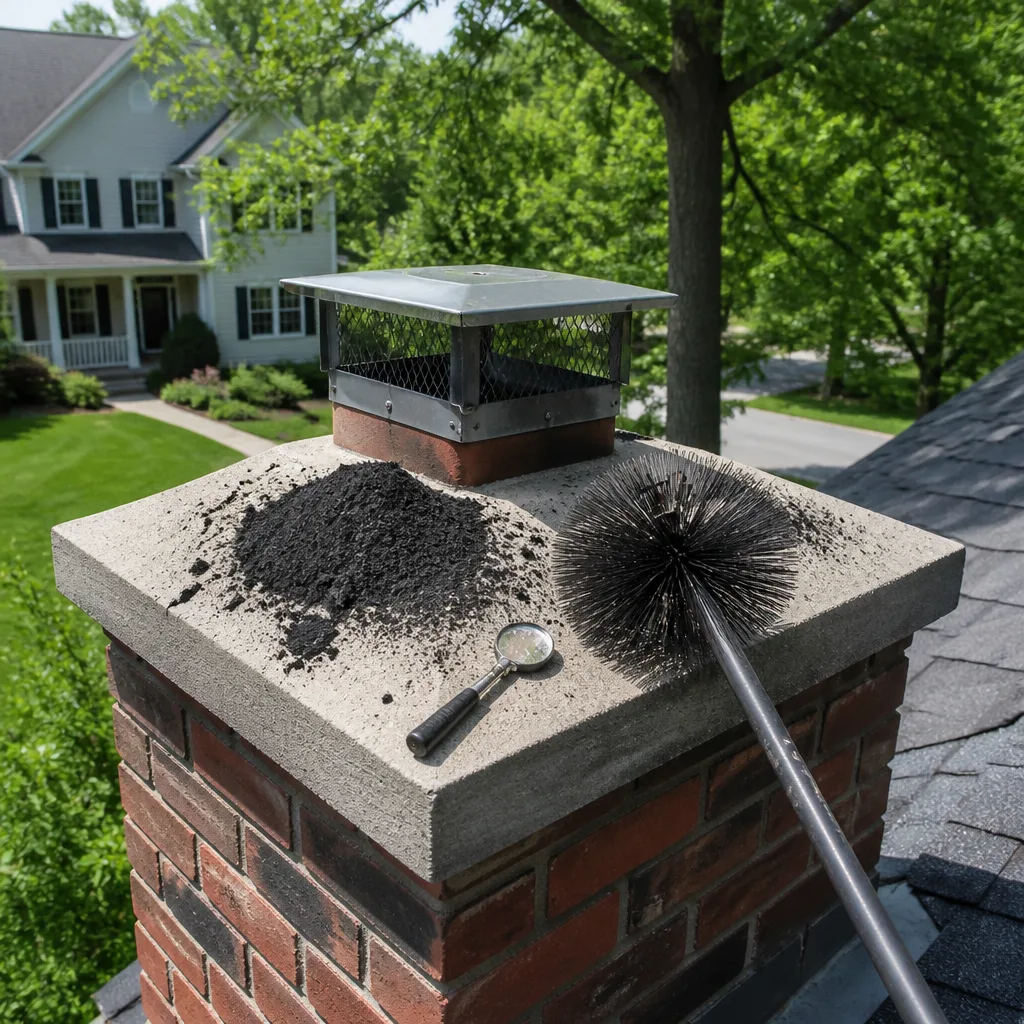
Level 1 sweep and inspection to the NFPA 211 annual standard - flue, crown, cap, and flashing checked and photographed
Chimney sweep logs do not sweep chimneys. They loosen some creosote - which then falls where a brush and vacuum still have to collect it.
How to Hire a Chimney Cleaning Contractor in Preston Hollow: A Step-by-Step Guide
Most homeowners vet a chimney sweep the same way they’d vet a painter: ask for a price, check the reviews, book the job. That approach works for a coat of paint. It fails for a chimney. The trade has no single license you can look up in Texas, which means anyone with a van, a brush and a magnetic sign can call themselves a chimney professional. The certification that actually matters takes years of field work and a formal exam to earn, and the words “certified technician” printed on an ad mean nothing until you ask what the certification is and how to verify it. In this guide we’ll walk through exactly what to ask on the phone, what a real inspection report contains, how to read insurance coverage for chimney work, and why a quote offered before anyone looks inside your flue should raise a flag. Preston Hollow homeowners have a wide field of operators to sort through, and this is how you sort them.
Quick Answer
To hire a chimney cleaning contractor in Preston Hollow, ask for the technician’s CSIA (Chimney Safety Institute of America) certification by name and verify it in the CSIA directory, insist on a full inspection before any price is quoted, confirm the contractor carries insurance that specifically covers chimney work including the flue interior, and request a written inspection report with photos before agreeing to any repair. Any contractor who quotes a sweep price over the phone without seeing your chimney, or who sells a liner replacement before the inspection, has failed the test before they’ve set foot on your roof.
Styles & brands we work with
- Sweep & inspection
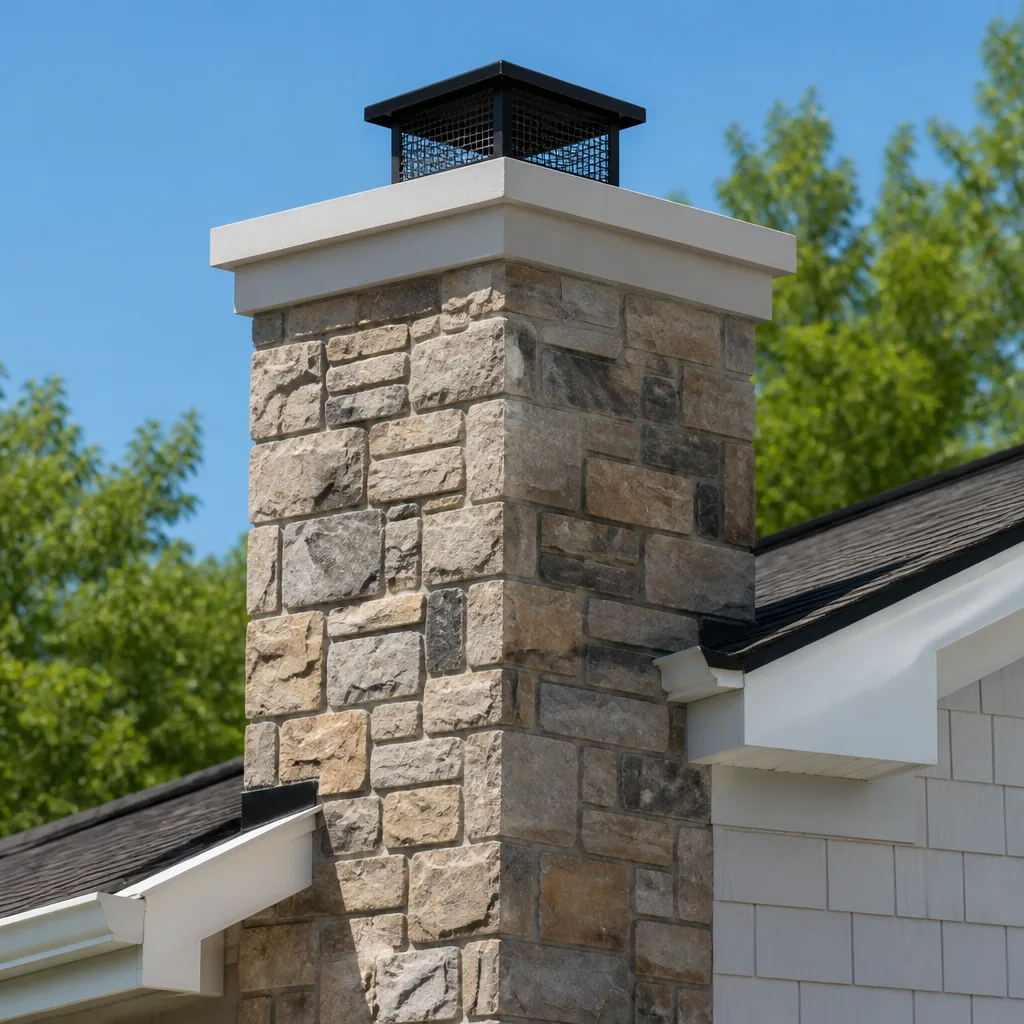
- Caps & crowns
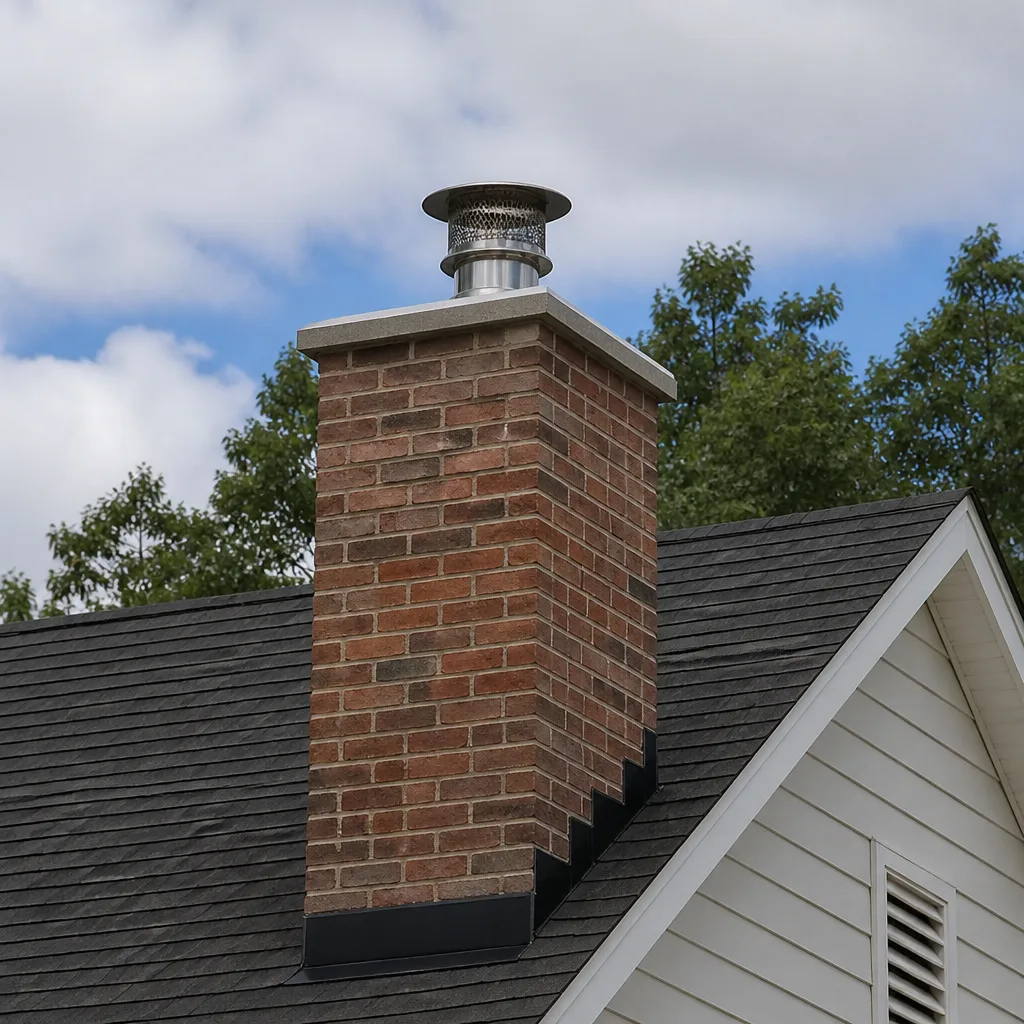
- Flue relining
- Masonry repair
- Gas fireplace service
Table of Contents
- What Certifications Actually Matter in Texas?
- Five Questions to Ask During the First Call
- Why a Quote Before the Inspection Is a Red Flag
- What a Legitimate Inspection Report Should Contain
- How to Verify Insurance Coverage for Chimney Work
- What Makes Hiring a Sweep in Preston Hollow Different
- Common Mistakes to Avoid
- When to Call a Professional
What Certifications Actually Matter in Texas?
Texas does not issue a state license for chimney sweeps. Any contractor can offer the service, and that includes general handymen, roofers adding a line to their card, and air duct cleaners branching out. This is why a homeowner’s own diligence carries more weight here than it would with an electrician or a plumber.
Two certifications are worth knowing by name:
- CSIA Certified Chimney Sweep. The Chimney Safety Institute of America administers this credential. It requires documented field experience, a written exam, and continuing education to maintain. The CSIA publishes a searchable directory of certified sweeps, so you can verify a claim in about two minutes. This is the credential that separates a skilled chimney specialist from someone with a brush.
- NFI certification. The National Fireplace Institute certifies technicians in specific hearth categories: gas, wood-burning, or pellet appliances. NFI matters when your project involves installing or servicing a fireplace insert, a stove, or gas log sets. A sweep with NFI credentials on top of CSIA certification is a sign of specialization in the hearth, not just the flue.
A legitimate operator will name these certifications plainly and invite you to verify them. If the answer to “Are you CSIA certified?” is “we’re fully licensed and insured,” the person on the phone is deflecting. There is no license to point to, and a good sweep knows it, so they lead with the certification that exists. Certified professionals also tend to use materials you can look up: DuraFlex liner systems, HeatShield flue resurfacing, Olympia Chimney components. When a contractor can explain why they specify a given product rather than just naming a brand, the depth is usually real.
We’ve had homeowners ask us to verify the certification of a previous contractor after the fact. It’s a two-minute check, and it’s the first thing worth doing.
Five Questions to Ask During the First Call
The first phone call tells you most of what you need to know. Here are the five questions, and what a knowledgeable answer sounds like compared to a dodge.
- “Are you CSIA certified, and what’s your certification number?” A real sweep gives the number or tells you exactly how to find them in the CSIA directory. A dodge is “we’ve been doing this a long time” or “our technicians are all trained.” Trained by whom is the follow-up.
- “What will the inspection cover, and what type of inspection is it?” A good answer mentions the three levels recognized by the CSIA. A Level 1 inspection covers readily accessible portions of the chimney and appliance. A Level 2 adds a video scan of the flue interior and is standard when a property changes hands, after a chimney fire, or when you’re changing appliances. A Level 3 involves opening up concealed areas and is rare. A vague answer like “we’ll check everything” is a warning sign.
- “Will I get a written report with photos?” Every sweep who takes the job seriously answers yes. Photos of the flue interior and the firebox are how you see what the contractor sees, and how you compare bids fairly.
- “Do you do liner and crown work in-house, or do you subcontract?” Full-service specialists handle the whole job, from the sweep through crown repair and relining. If a sweep-only operator says “we can recommend someone for the liner,” you’ll be coordinating two contractors and two warranties. Ask up front.
- “What does your insurance cover specifically for chimney work?” The full answer comes with a certificate of insurance. A contractor who says “we’re fully insured” without offering the certificate is telling you they expect you to take their word for it. Ask for the document.
Note what’s missing from that list: price. Pricing comes after the inspection, and a contractor who’s willing to quote over the phone is guessing, and guessing on your chimney is how you end up paying for work you didn’t need.
Why a Quote Before the Inspection Is a Red Flag
A cheap quote offered over the phone feels convenient. It isn’t. It’s a signal that the contractor plans to decide what you need based on what they see when they arrive, not what they promised when you called. Chimney pricing depends on the condition and configuration of your specific flue, and no one knows that until they’ve looked inside it.
Here’s what actually makes a legitimate quote possible:
- The number of flues. A single-flue chimney and a four-flue chimney are different jobs with different time requirements. Pricing doesn’t transfer.
- The condition of the flue interior. Heavy creosote glaze, a cracked tile, or a separated liner changes the work from a cleaning to a repair.
- Access to the roof and the firebox. Steep pitches, additions built over the chimney, and tight firebox clearances all change the labor involved.
- Whether a cap and crown are present and sound. Missing or damaged caps are a common finding, and they’re a fix-and-quote decision, not a phone-call decision.
In our experience, the operators who quote a flat number before arriving are the same ones who “discover” a liner problem after the sweep and present a bill that’s four times the original quote. That’s not a coincidence. The up-front quote is the hook, and the upsell happens once your chimney is open and no one else is competing for the job.
The right sequence is straightforward. Inspection first. Then a written report with photos. Then a quote for any recommended work, which you can compare against other bids and take your time deciding. A legitimate contractor will tell you plainly when a repair can safely wait.
What a Legitimate Inspection Report Should Contain
The inspection report is the most useful document you’ll get from the whole process. Used well, it’s your comparison tool across every bid you gather, and your record of the chimney’s condition for the next time you have it serviced.
A legitimate report for a chimney sweep in Preston Hollow should include:
- Date, technician name, and inspection level. Level 1, 2 or 3, stated clearly. If a Level 2 was recommended, the report should say why.
- The chimney type and flue configuration. Masonry or factory-built, number of flues, appliance type served by each.
- Photos of the flue interior. A video scan of a Level 2 inspection should produce still images showing the liner joints, the smoke chamber, the damper, and the firebox.
- The condition of each component. Crown, cap, flashing, masonry joints, liner, damper, smoke shelf, firebox walls, and hearth extension.
- Findings classified by urgency. What’s sound, what’s worn but serviceable, and what needs attention before the next burning season. A good report separates “do this now” from “keep an eye on this.”
- Recommended repairs with materials specified. If a liner is recommended, what kind? If a crown needs rebuilding, what product? Naming the material (Gelco crown mix, HeatShield resurfacing, DuraFlex liner) is a sign of a real plan, not a sales script.
Once you have a report like this from one contractor, use it as a benchmark. Ask every other bidder to produce their own report in the same format. You’ll quickly see which ones give you real photos and which give you a number on a business card.
How to Verify Insurance Coverage for Chimney Work
General liability insurance alone is not enough for chimney work. A sweep climbs on your roof, works inside a flue, and in some cases removes and reinstalls components of the chimney system. The insurance question isn’t whether they’re bonded and insured. It’s whether the policy covers damage to the flue interior, roof, and surrounding structure during chimney service.
Here’s how to handle it:
- Ask for a certificate of insurance before the inspection is booked. A serious operator sends it without complaint.
- Check that general liability is listed and the policy is current. The certificate shows effective dates and limits.
- Ask specifically whether the policy covers chimney and flue damage during service. Some policies exclude interior flue work or class it differently than roof access work. Get the answer on the record.
- Ask about workers’ compensation coverage. If a technician is injured on your roof, you want to know the contractor’s policy covers it and you’re not exposed.
- Confirm the certificate is issued for the entity you’re hiring, not a different company. Franchises and subcontracting arrangements complicate this, and it’s worth asking.
If a contractor can’t produce a certificate or gets evasive, that alone is enough to pass on them. Chimney Sweep Preston Hollow connects you with local professionals who are licensed and insured as their state requires, and any legitimate operator should be able to document that coverage.
What Makes Hiring a Sweep in Preston Hollow Different
Preston Hollow’s housing stock spans a wide age range, from older estates with original masonry chimneys to newer construction with factory-built fireplaces. That mix changes what a sweep will find in the field. Older masonry chimneys often carry decades of use and the wear that comes with it: hairline crown cracks, deteriorated mortar joints in the firebox, and clay tile liners that have shifted or cracked. Newer factory-built fireplaces come with their own maintenance patterns and often get neglected because they’re assumed to be lower maintenance. Neither assumption holds up in a chimney that actually gets used.
The Dallas-area climate is mild, and that matters for the way chimneys wear here. Because winters are short, fireplaces get concentrated use in a narrow window, and the rest of the year sits dormant. Creosote that builds up during the burning season sits in the flue for months, and a homeowner who never has the chimney swept has no way to know how thick the deposit has become. A chimney sweep before burning season, not after it, is how you walk into the winter knowing the flue is clear.
Hiring in Preston Hollow also means sorting through a wider market than a homeowner in a smaller town would face. There’s no shortage of operators who’ll show up, sweep, and leave without an inspection or a report. The vetting you do on the front end is what separates a sweep that protects your chimney from a sweep that just gets it dirty on the outside and calls it done.
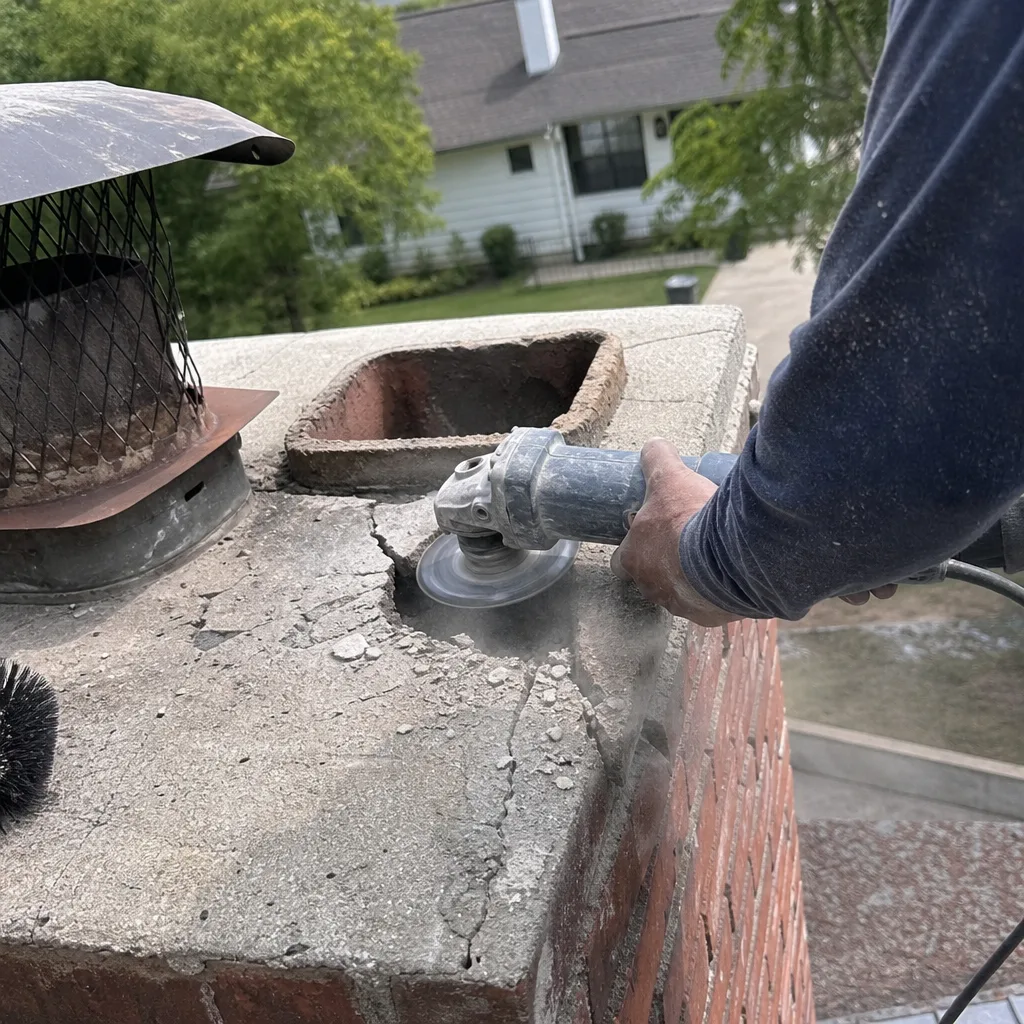
We see this pattern often: a homeowner gets three quotes, picks the cheapest, and then discovers a year later that the crown cracked and nobody mentioned it. A proper chimney cap & crown evaluation during the inspection is how that gets caught early. The cost of a crown repair done promptly is nothing like the cost of the water damage that follows a crown left alone for years, and a contractor who doesn’t even look at the crown isn’t doing a full job.
See the difference
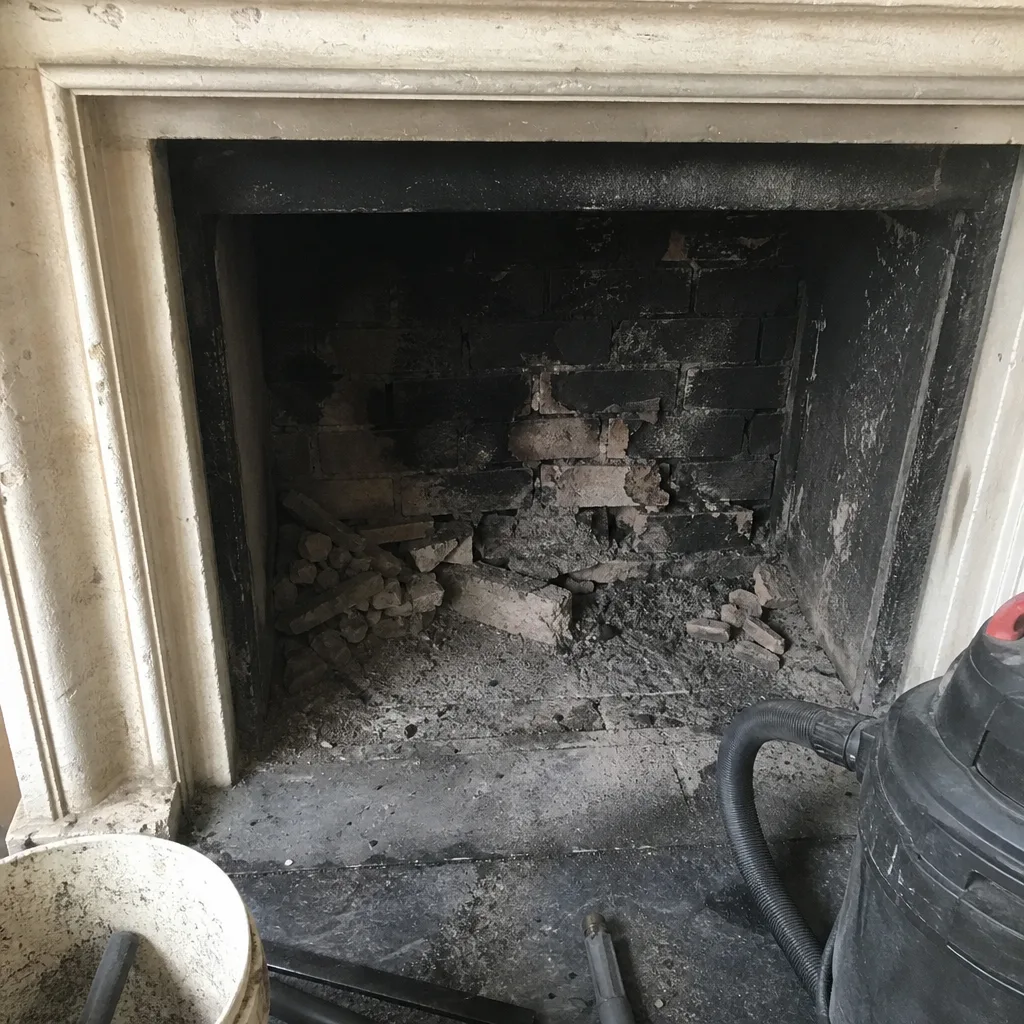 Before
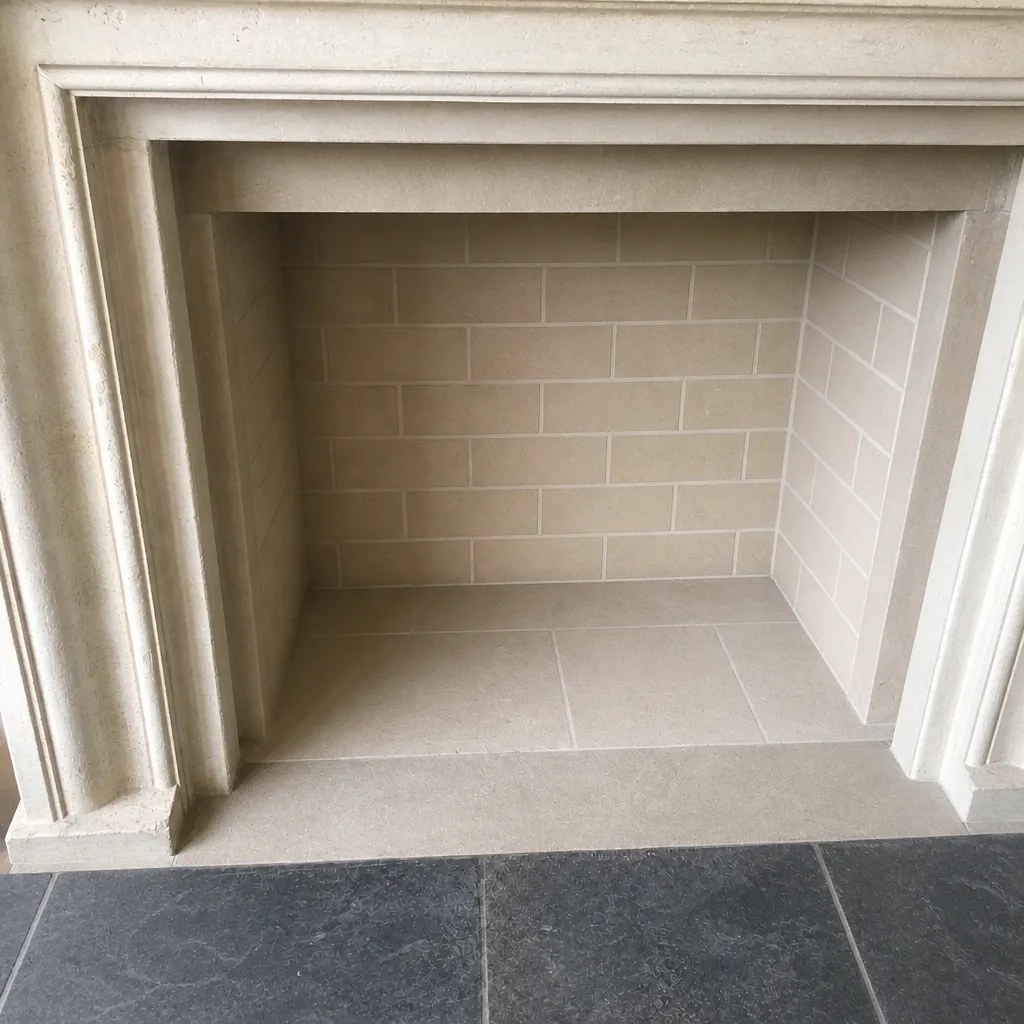 After
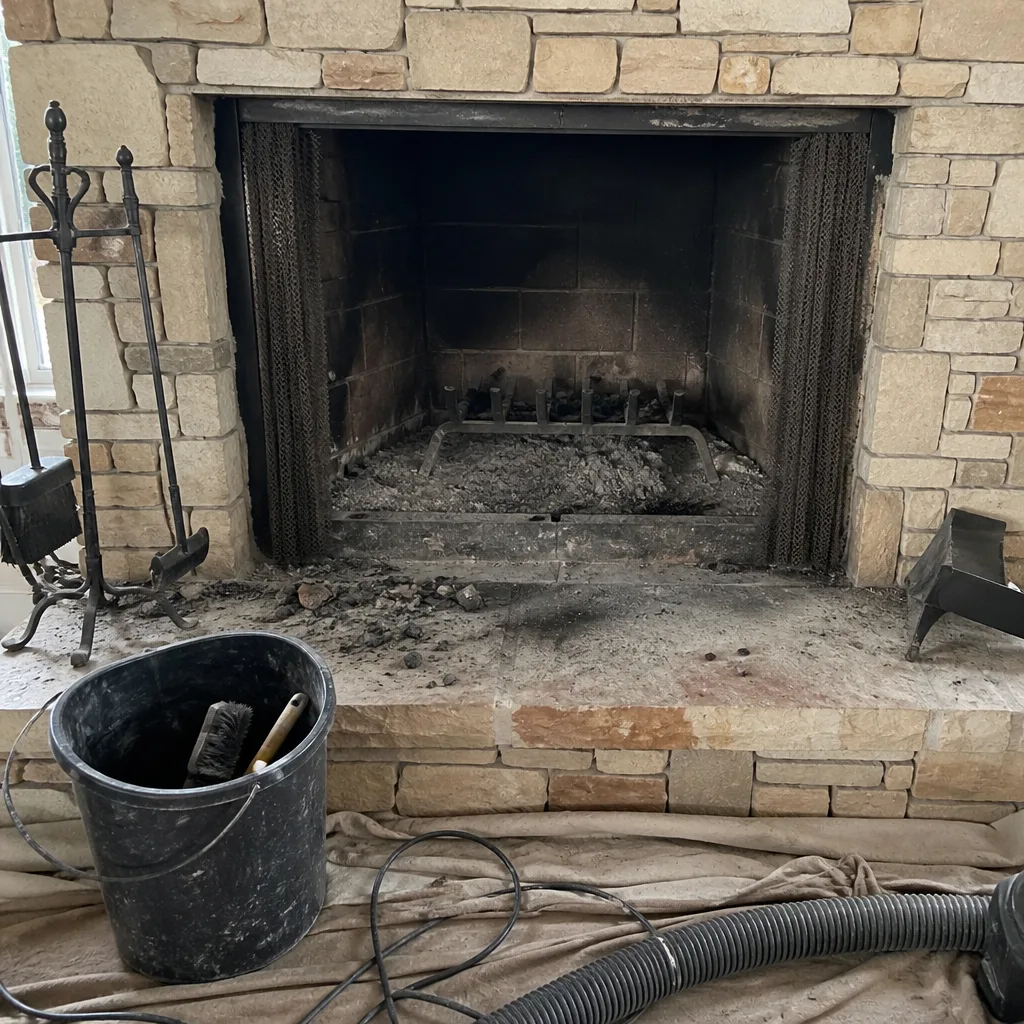 Before
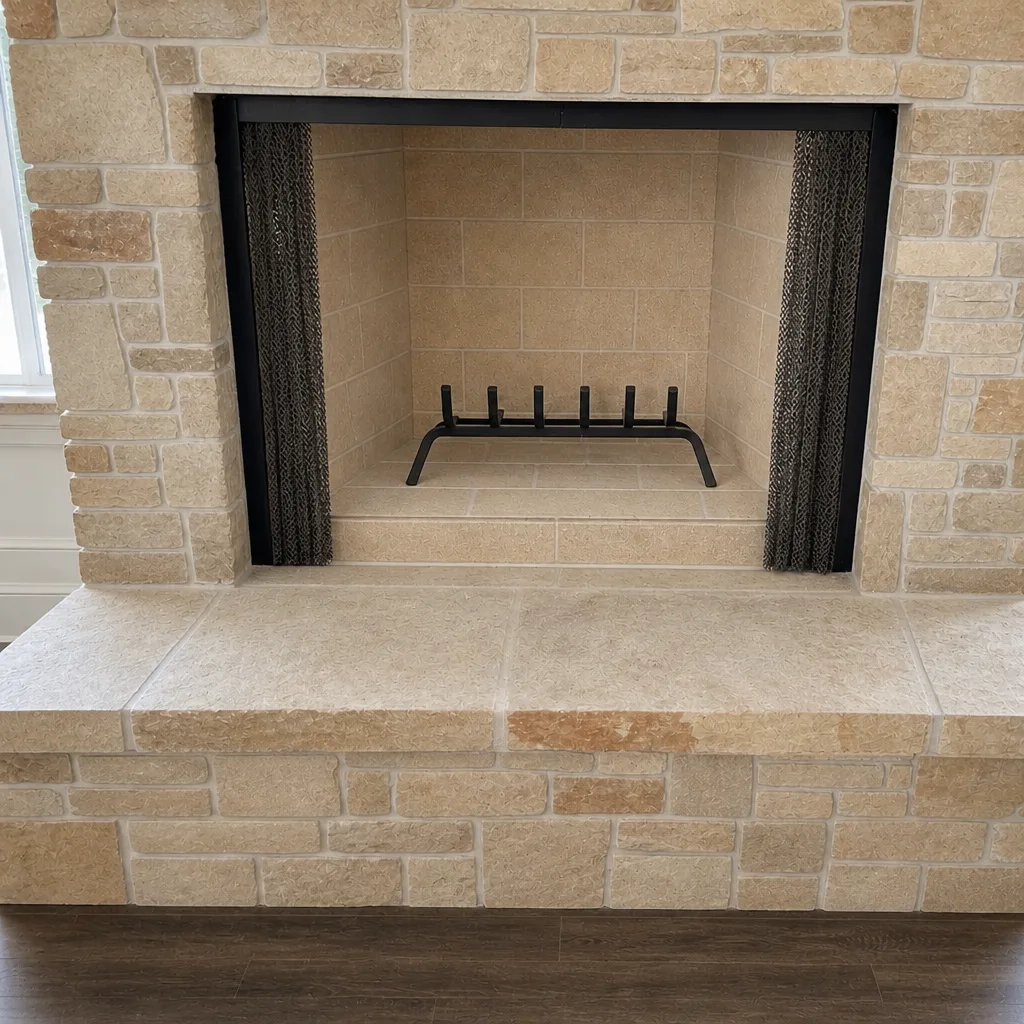 After
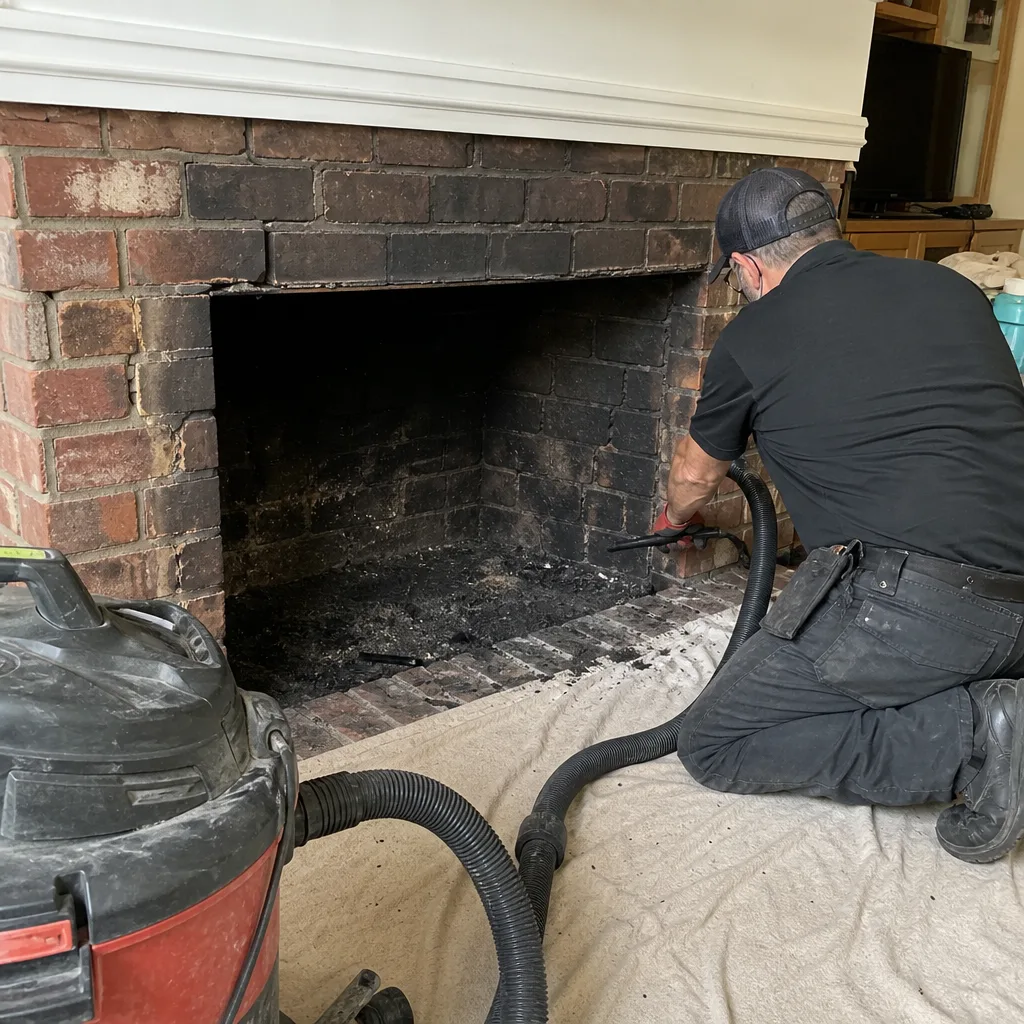 Before
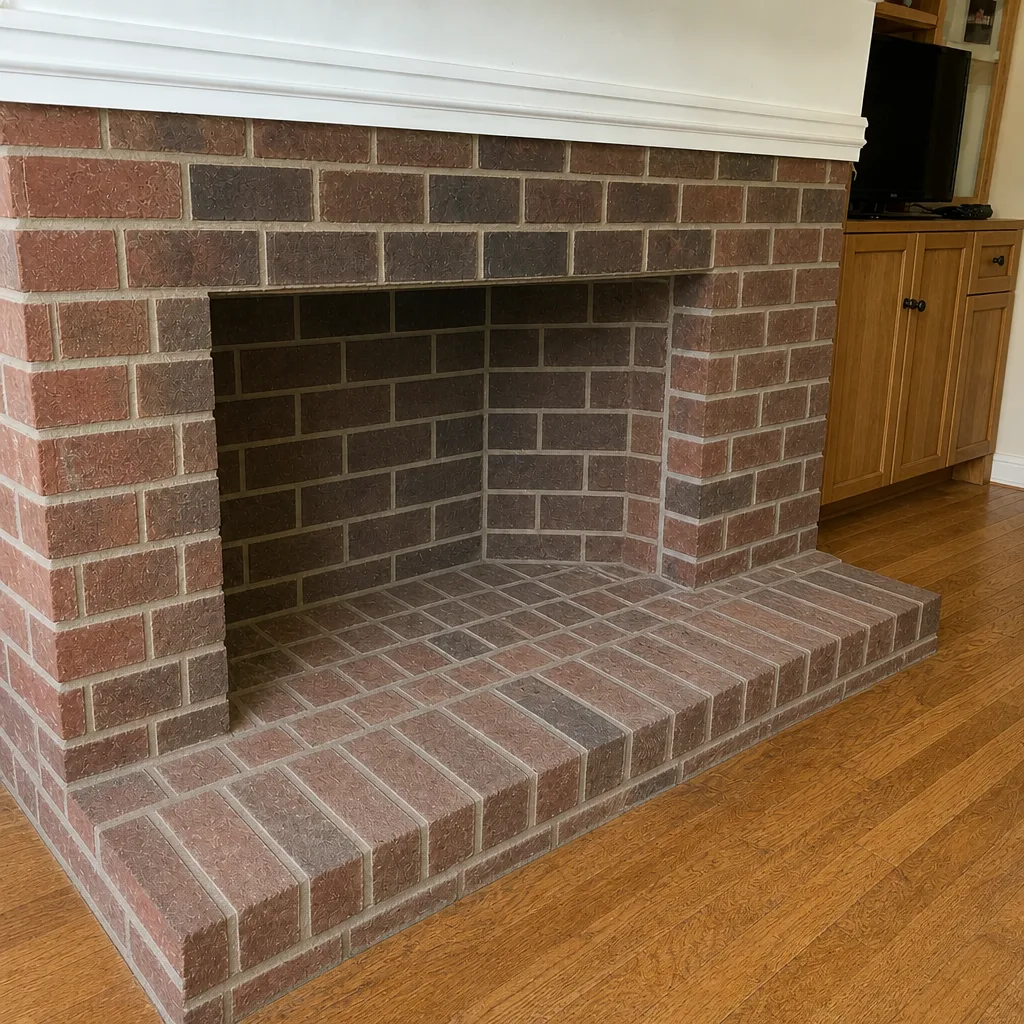 After
Common Mistakes to Avoid
- Hiring on price alone. The cheapest sweep is often the one least likely to notice a cracked flue tile or a failing crown. Paying the lowest price for a cleaning but missing a structural issue costs more in the long run.
- Accepting a phone quote. Any contractor who quotes a price before seeing the chimney is either guessing or planning an upsell. The inspection should come first.
- Not asking for the inspection report in writing. A verbal “looks good” is not a report. Ask for photos and a written document, and use it to compare bids.
- Confusing “bonded and insured” with chimney-specific coverage. A contractor can be bonded and carry general liability and still have no coverage for damage to your flue interior. Ask specifically.
- Skipping the crown and cap evaluation. Water intrusion through a failed crown or missing cap is the most common path to structural chimney damage. If the inspection doesn’t cover these, it’s incomplete.
- Hiring a sweep-only operator when you may need a liner. If the flue turns out to be damaged, you’ll be coordinating a second contractor. Ask up front whether the company does liner work in-house.
- Waiting until after the burning season to call. Sweeping in the fall catches problems before you burn. Waiting until spring means a full winter of use with no inspection since the season before.
When to Call a Professional
Some chimney issues announce themselves. Others sit quietly behind the firebox until something fails. Call a professional if you see or hear any of the following: a strong creosote odor from the firebox, smoke spilling into the room when you burn, visible cracks in the masonry or firebox, a loose or damaged damper, water stains on the ceiling or chimney breast, a missing or damaged cap, or birds or debris in the flue. If you’ve moved into a Preston Hollow home with a chimney you’ve never had inspected, get a Level 2 inspection before the first fire. If it’s been a year or more since the last sweep, book one regardless of how often you burn.
Chimney Sweep Preston Hollow offers free estimates in Preston Hollow. Call (833) 769-0219. We answer 24/7. Fast dispatch from 7am to 7pm, Sunday through Friday.
Frequently Asked Questions
A standard chimney sweep in the Dallas area typically costs $150 to $350, and the price is set per job by the written estimate after the inspection. The range depends on the number of flues, the condition of the flue interior, roof access and whether an inspection report is included. Any quote given before the chimney is inspected is a guess. Call (833) 769-0219 for an exact quote. Estimates are free.
CSIA certification is the credential to look for in Texas because the state doesn’t license chimney sweeps, so certification is the main proof of training and field experience you can verify. Ask for the certification number and look it up in the CSIA directory. A contractor who can’t provide a number is a contractor you should keep looking at. Call (833) 769-0219 to have a certified local professional assess your chimney.
The general rule is once per year of regular burning, and the simplest habit is to sweep before burning season starts in the fall. A chimney that burned heavily the year before, or that has had no inspection in recent memory, needs one sooner. The inspection tells you what the flue condition actually requires. Call (833) 769-0219 to book a sweep.
Creosote builds up on the flue walls with each fire, and a heavy enough deposit is what fuels chimney fires. A blocked or damaged flue can also let carbon monoxide back into the home. Neither of those outcomes announces itself in advance, which is the reason the sweep is a routine check rather than something to wait out. Call (833) 769-0219 for an inspection before the next season.
A handyman can physically brush a flue, but the difference between a cleaning and a proper service is the inspection that follows it, and handymen typically aren’t trained or equipped to perform a CSIA Level 2 inspection, evaluate the crown, or recommend the correct liner material. Chimney Sweep Preston Hollow connects you with specialists who handle the sweep, the inspection, the fireplace repair, and structural chimney repair as one coordinated job. Call (833) 769-0219.
Ask to see the photos of the flue interior before you agree to anything. A legitimate contractor will show you the cracks, the failed joints, or the missing sections in the liner and explain why patching isn’t viable. If the case can’t be shown to you, get a second opinion. Call (833) 769-0219. We answer 24/7. Fast dispatch from 7am to 7pm, Sunday through Friday.
The Bottom Line
Hiring a chimney contractor in Preston Hollow comes down to verification over trust. Certifications you can look up beat certifications printed on a magnetic sign. Written inspection reports with photos beat a verbal “all good.” Insurance certificates that name chimney work specifically beat “we’re fully insured.” And the right sequence, inspection before quote rather than quote before inspection, protects you from the upsell that too often follows a cheap up-front price. Chimney Sweep Preston Hollow offers the full scope of the work under one company, from the sweep through liner work and crown repair, so you don’t have to coordinate it. Call (833) 769-0219 for a free estimate. We answer 24/7. Fast dispatch from 7am to 7pm, Sunday through Friday.
Written by the team at Chimney Sweep Preston Hollow.