
Last updated November 22, 2026
 Sweep & inspection
 Caps & crowns
 Flue relining
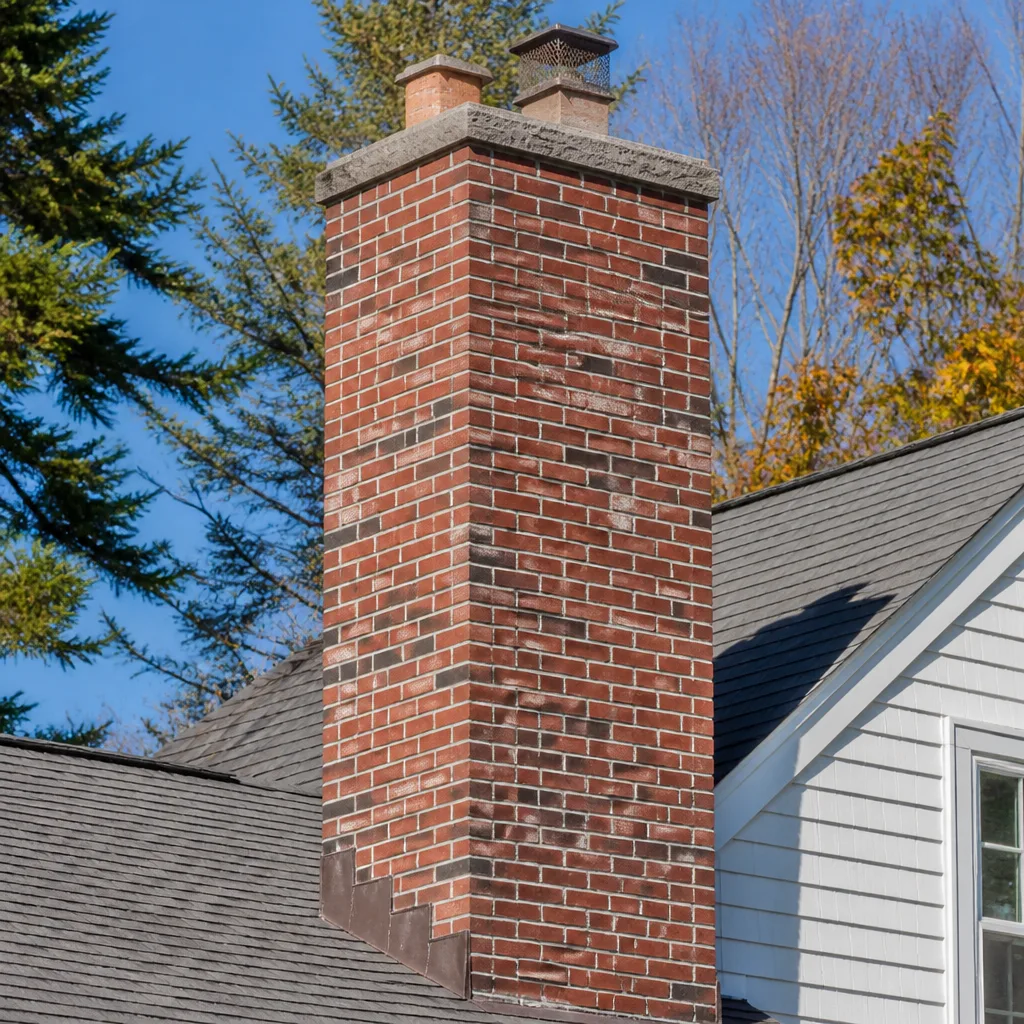 Masonry repair
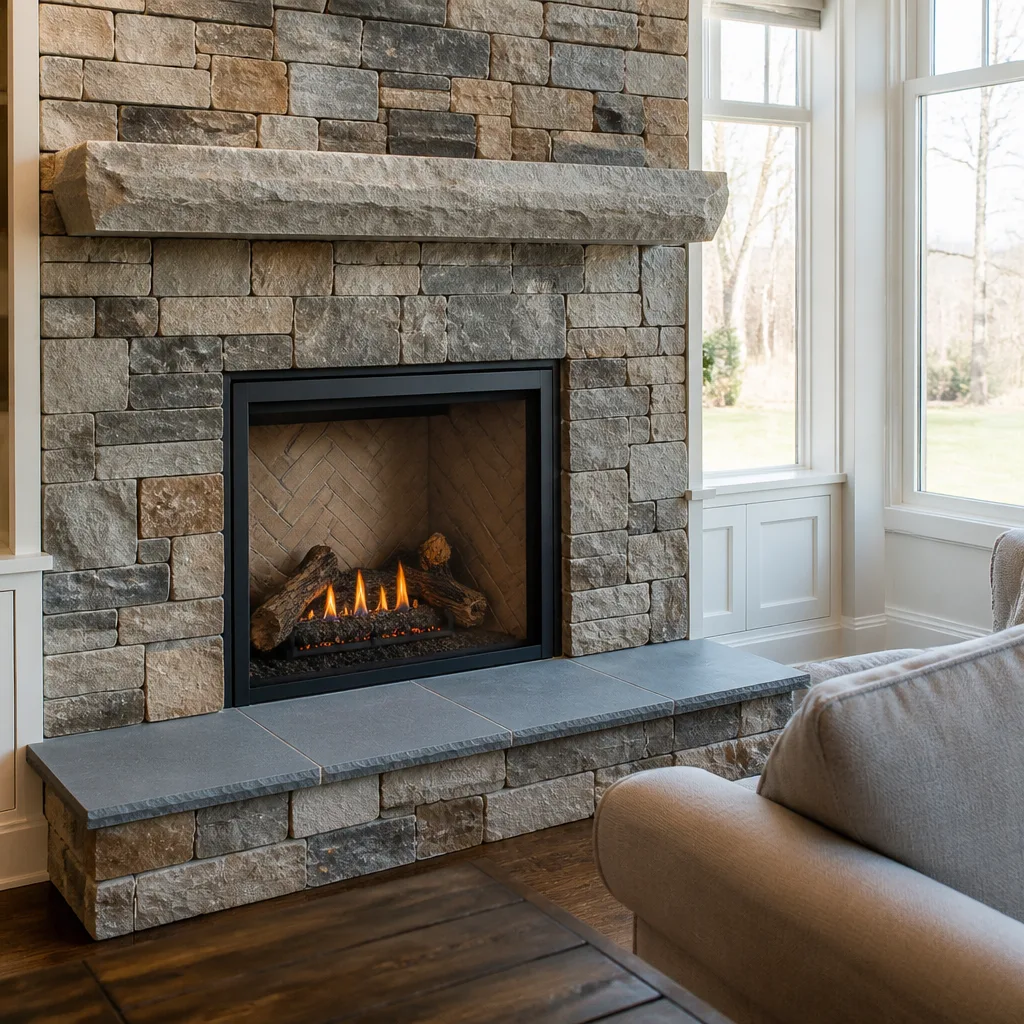 Gas fireplace service
Level 1 sweep and inspection to the NFPA 211 annual standard - flue, crown, cap, and flashing checked and photographed
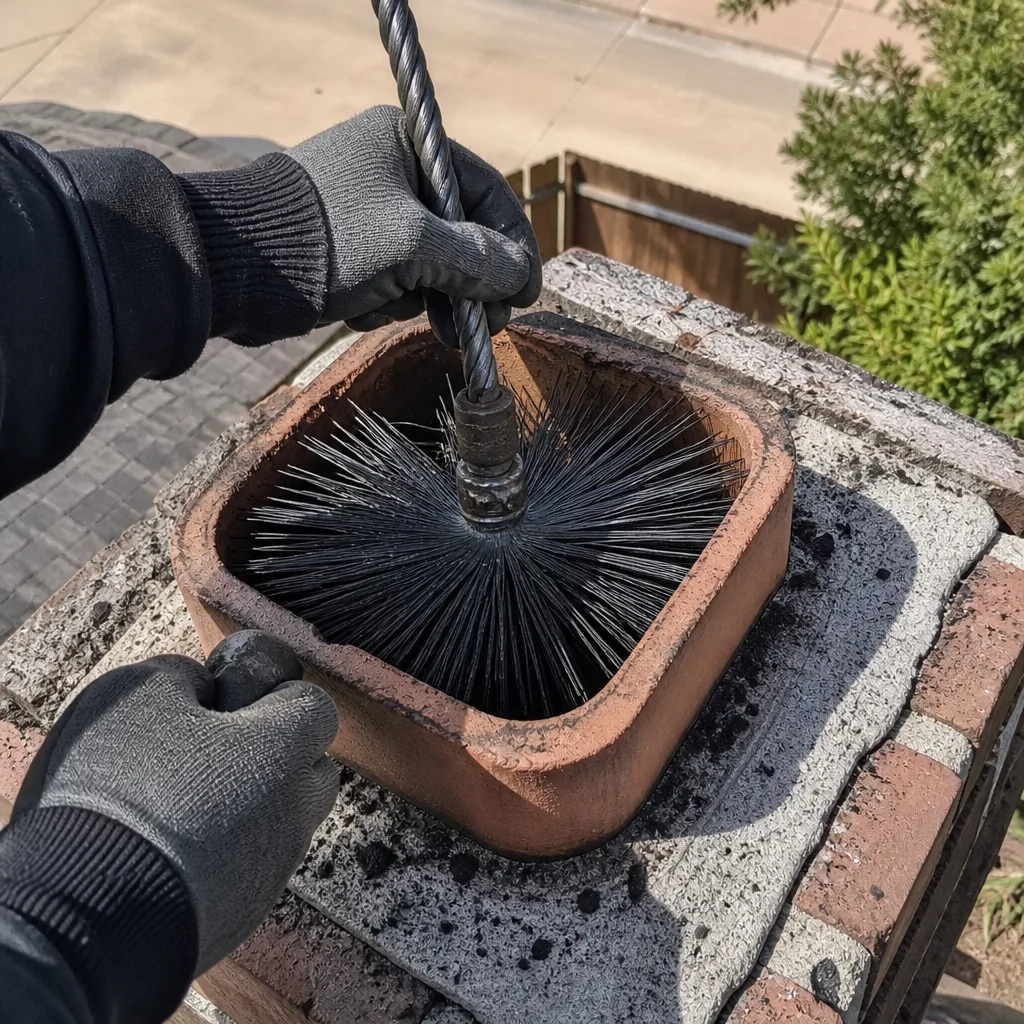
Chimney sweep logs do not sweep chimneys. They loosen some creosote - which then falls where a brush and vacuum still have to collect it.
Chimney Sweep Maintenance Checklist for Preston Hollow Homeowners
A checklist that just says “inspect the crown” is useless if you don’t know what a failing crown looks like from the roofline versus one that’s fine for another season. That gap, between naming a component and knowing how it actually fails, is why so many Preston Hollow chimneys go unmaintained until a small crack becomes a masonry repair. North Texas gives us hot, dry summers, dramatic spring storms, and mild winters that let fireplaces sit idle for months at a time. Brick-and-mortar construction here handles that rhythm differently than chimney systems built for colder climates. This guide shows you how to run a real ground-level inspection, what to photograph, what to check in October before first burn and in April after the season closes, and how to tell a “monitor it” finding from a “do not use” one.
Quick Answer
A workable chimney maintenance checklist for a Preston Hollow home has three layers: a ground-level visual check you run yourself before each season, an annual professional sweep and inspection, and a written log of every finding and service so you can document condition for your insurer. Most Preston Hollow chimneys need a sweep and inspection once a year, with a mid-season check if you burn several cords of wood or notice performance changes. Anything involving the flue interior, the crown, or the firebox back wall is a professional call, not a homeowner project.
Key Takeaways
- Run a ground-level visual check every October, before the first fire of the season.
- Book a professional sweep and inspection once a year; more often with heavy wood burning.
- Photograph anything you notice: masonry cracks, cap condition, staining, loose flashing.
- Three components get skipped most: damper seating, smoke shelf buildup, and firebox back wall cracks.
- Keep a written maintenance log for your insurer’s records.
- Never run a fire in a chimney you haven’t had looked at since the last season.
Styles & brands we work with
- Sweep & inspection
- Caps & crowns
- Flue relining
- Masonry repair
- Gas fireplace service
Table of Contents
- The Ground-Level Visual Inspection Sequence
- What to Check in October Before First Use
- What to Verify in April After the Season
- The First Fire of the Season: What to Watch
- The Three Components Homeowners Skip
- Monitor It or Do Not Use: How to Decide
- How to Log Maintenance for Insurance Documentation
- What an Annual Professional Sweep and Inspection Covers
The Ground-Level Visual Inspection Sequence
You can do a meaningful inspection from the ground without climbing anything. The sequence below takes about fifteen minutes and tells you whether a professional call is routine or urgent. Work through it in order, and photograph as you go, because a phone photo taken in October is far more useful in April than a memory of what you noticed.
- Look at the chimney top from across the street. Step back far enough to see the whole structure against the sky. A straight chimney that has developed a lean is worth a professional look. So is a cap that’s sitting crooked or missing a screen panel.
- Check the crown at the top of the chimney. The crown is the concrete or mortar cap that sheds water away from the flue opening. From the ground, you’re looking for a visible crack line, a crown that’s pulled away from the brick, or a crown that looks like it’s holding a puddle because it doesn’t slope away from the flue.
- Scan the brick face for staining. Dark vertical streaks below the crown suggest water tracking down. White powdery bloom on the brick (efflorescence) means moisture is moving through the masonry and drying on the surface. Both are worth documenting even if nothing looks structurally wrong yet.
- Look at the flashing where the chimney meets the roof. Rusted, curled, or separated metal is a common source of roof leaks that get misattributed to the chimney itself.
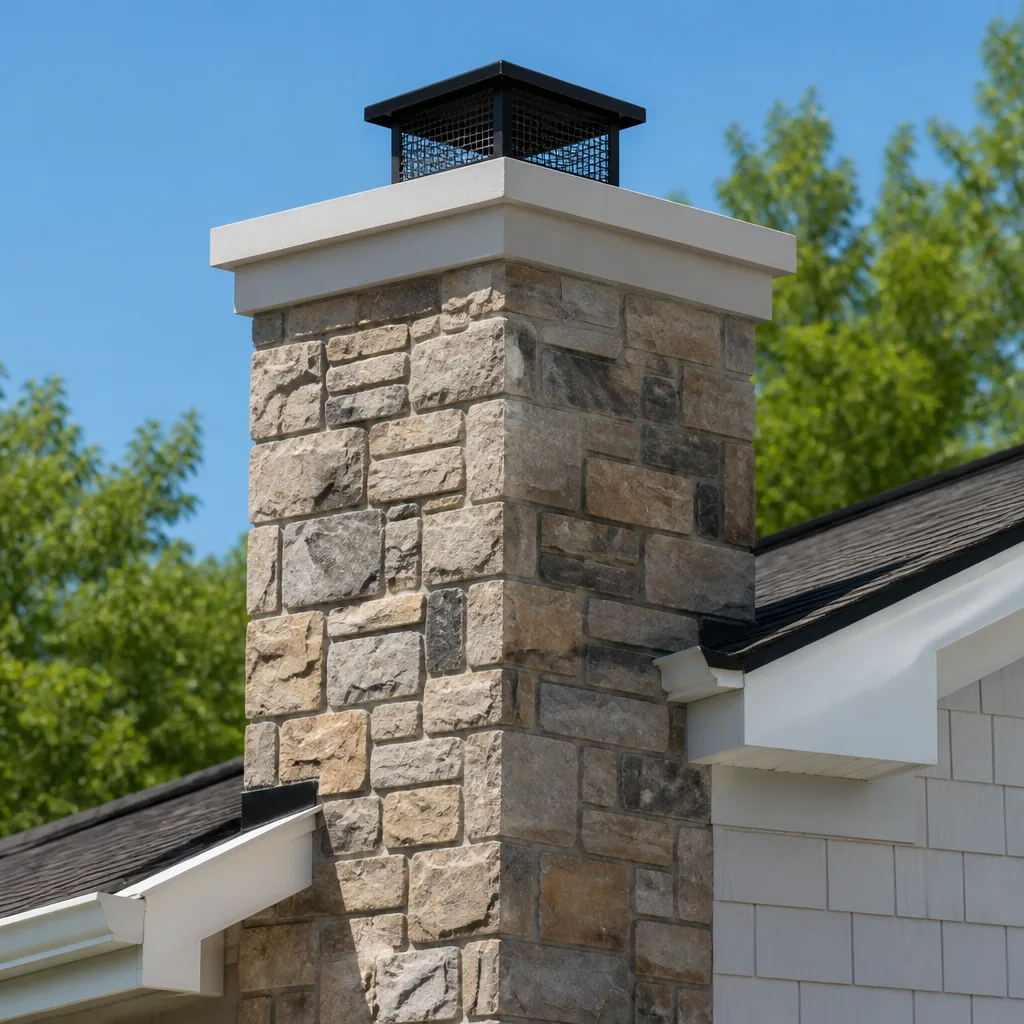
- Check the spark arrestor or rain cap. A cap missing its mesh or sitting loose after a storm is one of the most common findings in Preston Hollow after spring weather rolls through.
- Look inside the firebox from the hearth. Note any cracks in the brick facing, crumbling mortar joints, or metal firebox panels that have bowed.
- Open the damper and look up with a flashlight. You won’t see the full flue, but you can spot heavy soot buildup near the top of the firebox and check that the damper opens and closes smoothly.
A chimney sweep is worth booking as soon as that visual sequence turns up anything in the “monitor closely” category rather than “fine for another season.” One company handling sweep, inspection, and any repair work means no handoff between contractors when a photo turns into a real finding.
What to Check in October Before First Use
October is the right month for a chimney checklist in Preston Hollow because it sits between the summer heat and the first cold snap when the fireplace actually gets used. The job of the October check is to answer one question: is this chimney safe to light a fire in? Everything below should be verified before the first fire of the season.
- Book the sweep and inspection. A professional sweep clears creosote buildup, and the inspection that goes with it checks the parts you can’t see from the hearth: the flue lining, the smoke chamber, the damper assembly. This is the single most important item on the list.
- Check the damper. Open and close it several times. It should seat flush when closed and open fully with light effort. A damper that sticks, scrapes, or won’t close all the way is letting heat escape and letting cold air in when the fireplace is idle.
- Look for animal activity. Birds and squirrels nest in uncapped flues. A cap with a mesh screen (Gelco and Famco both make caps that do this well) prevents it, but check for nests before the first burn even if you have a cap.
- Inspect the firebox. Cracks in the firebox brick or missing mortar joints mean heat can reach the structure behind the firebox. That’s a professional evaluation, not a patch-and-go.
- Test your smoke and carbon monoxide detectors. A chimney operating correctly vents both smoke and CO outdoors. Detectors are a backup, but they only work if the batteries are fresh.
- Clear the hearth and confirm clearances. Furniture, rugs, firewood stacks, and decorations should all clear the hearth by the recommended distance for your fireplace type. This is a five-minute job that too many homeowners skip.
- Confirm your firewood is dry. Seasoned wood with low moisture burns hot and clean. Wet wood smolders, produces more creosote, and puts more of that material on your flue walls.
If the inspection turns up a cracked crown or a cap that’s failed, October is the month to schedule that repair. A chimney cap & crown repair done before the rainy season closes off the biggest source of water intrusion damage on a Preston Hollow chimney.
What to Verify in April After the Season
April is the second key checkpoint in a Preston Hollow chimney maintenance calendar. Once the burning season winds down, the chimney has been through months of use and the region’s spring storm pattern is getting underway. The April checklist is about evaluating wear and getting ahead of water damage before the summer heat bakes it in.
- Look at the roof and the chimney for storm damage. North Texas spring storms hit hard. Check the crown for new cracks, the cap for dents or displacement, and the flashing for separation. If the cap took a hit, a replacement using Copperfield or another professional-grade component is cheaper than waiting for rain to enter the flue.
- Look for water staining inside the firebox. Rust-colored streaks on the firebox brick, dampness on the smoke shelf, or water marks on the firebox floor all point to water coming in from above. In our experience, this particular finding gets ignored longer than most because it doesn’t look urgent. It becomes urgent fast.
- Note the creosote level. If you burned heavily through the winter, the April inspection tells you how much buildup accumulated and how soon the next sweep should happen.
- Check the chimney exterior for efflorescence or spalling. Both are signs water is working its way into the brick. Once brick starts spalling (flaking off in layers), the repair is more involved than it would have been a season earlier.
- Verify the damper still seats well. Cold weather use can shift the damper frame slightly. A damper that no longer closes all the way lets cool air and moisture into the flue during the summer, which is exactly what you don’t want in a humid Preston Hollow summer.
- Write the season summary into your log. Loads of wood burned, any findings, any service performed. This is the entry that makes the whole log useful later.
An April inspection that catches a small masonry crack is worth exponentially more than an October repair that catches a structural problem. Your chimney is a system: cap, crown, liner, firebox. The spring check is where you confirm the top of that system is intact going into summer.
The First Fire of the Season: What to Watch
The first fire of the season is the practical test of everything the October checklist covered. Pay attention to how it burns, because a chimney that’s not working properly shows itself immediately. Run this sequence on the first fire of the season, and again after any significant service or repair.
- Open the damper fully before lighting. Confirm it’s open by feel and by sound.
- Light a small, hot fire first. This warms the flue and helps establish draft. A cold flue resists draft; a small hot fire pushes warm air up and gets the draft moving.
- Watch the smoke at startup. Smoke rolling into the room before the fire is established is a normal start-up draft issue. Smoke that continues spilling into the room after the fire is burning well is not. Shut it down and call a professional.
- Listen for unusual sounds. Popping and crackling from dry wood is normal. A low rumble or roaring from inside the chimney is not. That’s a sign of a chimney fire and requires immediate action: get out, call the fire department.
- Smell for smoke in the house after the fire is out. A lingering smoke smell in a room with a cold fireplace points to a draft or seal problem worth investigating.
- Check the glass doors and firebox after the fire cools. New cracks, new soot patterns, or creosote appearing where it wasn’t before all tell you something about how the chimney is performing.
The first fire is diagnostic, not just enjoyable. A fireplace repair scheduled off the first fire’s behavior is far more useful than one scheduled after the fifth fire of the season when the issue has had months to worsen.
The Three Components Homeowners Skip
Most homeowners know to clean the firebox and to check the cap. The three components below get skipped because they’re either hard to see or don’t announce themselves until they’re a problem. All three are worth understanding.
1. Damper Seating
The damper is the metal plate above the firebox that opens to let smoke up the flue and closes to seal it off. Its sealing ability depends on the plate seating flush against the frame. A damper that closes to the eye but doesn’t seal is letting heated air out of the house in winter and letting hot, humid air in during summer. That humidity is what feeds water-related masonry deterioration. Test it by opening and closing it slowly by hand, then looking for gaps between the plate and the frame with a flashlight. A gap of any meaningful size is a professional adjust-and-assess item, not a “close enough” one.
2. Smoke Shelf Buildup
The smoke shelf sits just behind the damper at the bottom of the smoke chamber. It’s the flat surface that catches debris falling down the flue, and it’s the surface creosote tends to accumulate on first. Because it’s tucked out of direct line of sight from the firebox, it’s frequently missed during a superficial cleaning. A professional sweep specifically addresses the smoke shelf and the smoke chamber above it. Buildup here reduces draft and adds fuel load right where the fire’s heat reaches the nearest combustible structure.
3. Firebox Back Wall Cracks
The back wall of the firebox takes the most heat of any surface in the whole system. It develops fine heat cracks as it expands and contracts through the years. Fine surface cracks (often called crazing) are normal. Cracks wide enough to catch a fingernail, cracks that expose the brick behind the refractory lining, or chunks of mortar that have dropped out are a different story. Heat can reach the framing behind the firebox through a crack of that size. A back wall crack of any real depth is a professional evaluation before the next fire.
Monitor It or Do Not Use: How to Decide
The single most useful skill in chimney maintenance is telling a “monitor it” finding from a “do not use until repaired” finding. Getting that distinction right means you aren’t paying for repairs you don’t need, and you aren’t burning fires in a chimney that’s actually unsafe.
Monitor It Findings
- Fine crazing (surface heat cracks) on firebox brick that are hairline and don’t catch a fingernail
- Efflorescence (white bloom) on the exterior brick with no visible structural cracking
- A small, stable crack in the crown not yet wide enough to let standing water reach the flue
- A damper that sticks slightly but still seats fully with normal operation
- Light, even soot on the firebox brick with no tacky or glazed appearance
For “monitor it” items, photograph the condition, write it in the log with the date, and check that same spot at the next seasonal checkpoint. If it has grown, it moves to the next category.
Do Not Use Findings
- Cracks in the firebox back wall wide enough to hold a fingernail, or exposed framing behind the firebox
- Any glazed, bubbly, or hard creosote visible in the flue (third-degree creosote, the kind that ignites easily)
- A flue liner with cracks, gaps, or missing sections
- A dislodged or crumbling smoke chamber with visible damage
- A damper that won’t open, or that opens but won’t close at all
- Water running down the inside of the flue during rain
- Any smoke backing into the room after the fire is fully established
If you’re not sure which category a finding belongs in, err on the side of not burning until a professional looks at it. That call is exactly what a chimney inspection is for, and it’s cheaper than the alternative. We’ve seen what third-degree creosote does inside a flue, and it’s not a situation where a homeowner wants to guess.
How to Log Maintenance for Insurance Documentation
Insurance companies in Texas get specific about documented maintenance when a chimney-related claim gets filed. Whether your insurer will cover a claim often comes down to being able to show that the chimney was maintained, inspected, and repaired as needed. The easiest way to have that documentation ready is to keep a log from the start.
Here’s how to structure a maintenance log that actually proves your case:
- Keep a single digital folder. One folder per property. Inside it, a subfolder for each calendar year.
- Log every service with date, provider, and what was performed. A line like “Annual sweep and inspection, [date], creosote level moderate, damper adjusted, no repairs needed.” A service invoice in the same folder backs it up.
- Log every self-inspection with notes and photos. The October and April visual checks count. Date each photo, and note what you were looking at.
- Log every repair with the material used. A cap replacement, crown repair, or liner work should note which product was involved, because your insurer may ask about the grade of the component. Mentioning the specific professional-grade brand (Famco, Gelco, HeatShield, DuraFlex) is useful here, because it shows the repair was done to a professional standard.
- Log the reason for the repair. “Crown crack noted in April inspection, repaired before rainy season” is a much stronger record than “crown repaired.”
- Take a dated photo of the whole chimney from across the street once a year. It’s the single most useful piece of documentation if a claim ever gets filed. Whole-structure photos make comparison easy.
Done right, this is a five-minute task a few times a year. Done right consistently, it’s the strongest possible answer to an adjuster who wants to know whether the chimney was maintained. When we handle a sweep or a repair in Preston Hollow, we give you the documentation for that service in a form you can drop straight into your log.
What an Annual Professional Sweep and Inspection Covers
An annual sweep and inspection is the foundation the rest of the checklist builds on. Understanding what it covers helps you evaluate a proposal, and it helps you recognize when something hasn’t been done properly. Here’s what a full-service sweep and inspection involves when the system gets treated as a system.
The Sweep
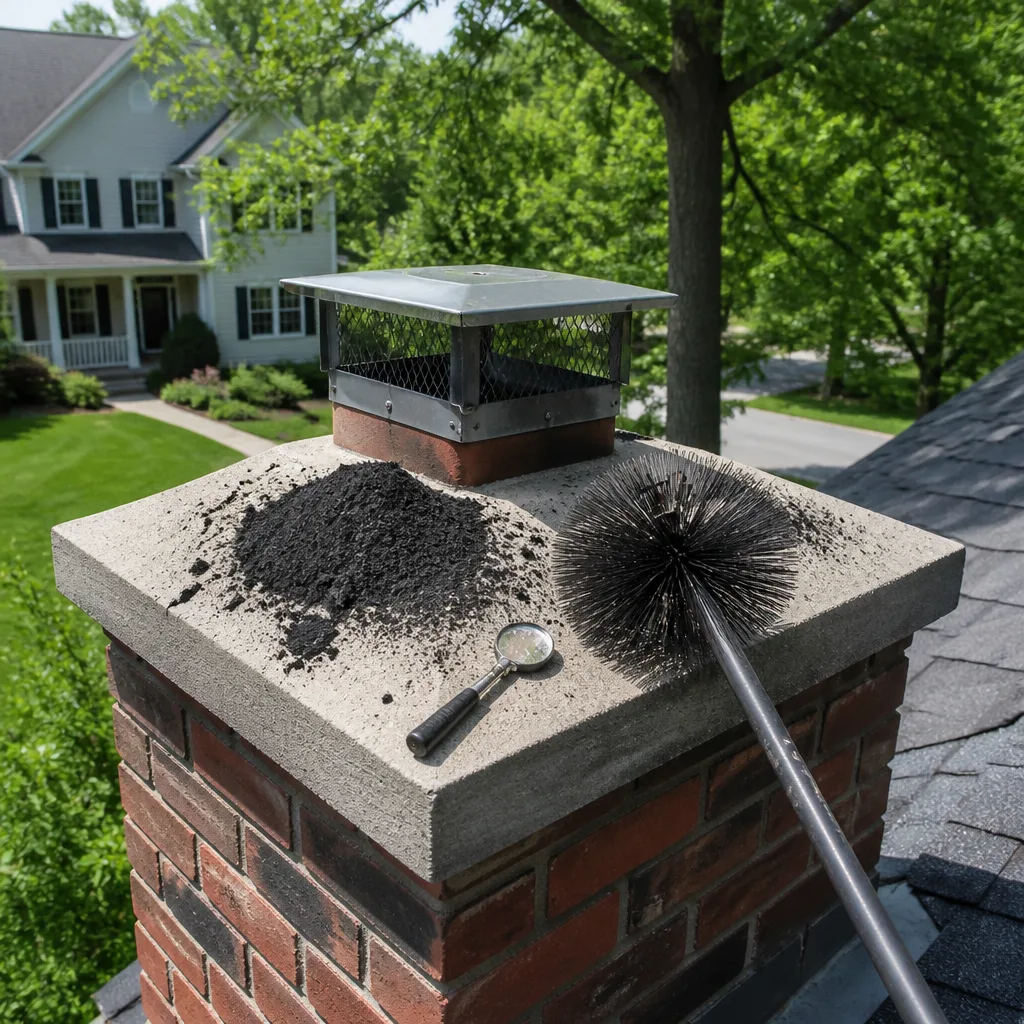
Cleaning the flue, the smoke chamber, and the smoke shelf. Choosing the right brush for the flue size and liner type. Protecting the interior of the home with drop cloths and a HEPA vacuum. Removing creosote down to the liner surface, then disposing of it properly. A sweep that skips the smoke shelf or that doesn’t reach the full flue height hasn’t done the job.
The Inspection
- Flue lining: checking for cracks, gaps, or separations in the tile or liner. HeatShield resurfacing handles mild to moderate liner damage non-invasively when the damage hasn’t gone structural.
- Smoke chamber: verifying there are no gaps, crumbling mortar, or missing sections.
- Damper and firebox: opening and closing the damper, checking the firebox walls for cracks and the hearth for clearance issues.
- Chimney exterior: inspecting the crown, cap, flashing, and masonry for water damage or structural concerns.
- Creosote assessment: grading the buildup level, which determines sweep frequency.
When Repair Enters the Conversation
A sweep-only operation stops at “the liner has some cracks.” A full-service chimney specialist can follow through. When a flue needs lining, DuraFlex flexible liner systems handle the jobs that some local brushes can’t. When a crown has cracked and let water reach the flue, the fix is professional-grade repair using a system designed for it, not a mortar patch. When the cap has failed, Gelco and Famco components handle the repair. One company, every step: inspection, sweep, and all the repair work the inspection turns up, with no handoff between contractors.
Our technicians have up to 9 years of experience across all five service categories: sweep, cap and crown, fireplace repair, inspection, and chimney repair. The reason we work with the specific materials above is that these are the materials certified chimney professionals specify nationwide. A repair done with the right grade of component matters, because the component is what determines how the repair holds up after the next few North Texas summers and storms.
Common Mistakes to Avoid
- Assuming a mild winter means less maintenance. Preston Hollow’s mild winters mean the fireplace can sit idle for months, which lets moisture and animal activity build up in an unused flue. Idle months are actually when water intrusion does its slow damage.
- Cleaning the firebox without checking the crown. A clean firebox on top of a cracked crown is a cosmetic fix on top of a structural problem. The crown is what keeps water out of everything below it.
- Skipping the smoke shelf and smoke chamber during cleanup. These are the surfaces where creosote accumulates first. A brush that runs only the flue hasn’t touched either one.
- Ignoring fine cracks in the firebox back wall. Fine crazing is normal. Cracks that catch a fingernail aren’t. Confusing the two either wastes money on a non-issue or risks running a fire where heat can reach framing.
- Using a cap that doesn’t include a spark arrestor or mesh screen. A cap without mesh just stops rain. Birds and squirrels still get in. In a climate with a real bird and squirrel population, mesh screening matters.
- Treating the inspection as optional after a sweep. A sweep that doesn’t come with a proper inspection misses the flue and smoke chamber conditions a sweep alone can’t evaluate.
- Letting a small crown crack wait until “next year.” Water intrusion damage in brick gets more expensive the longer it sits. In a Preston Hollow summer, that timeline can move a lot faster than homeowners expect.
See the difference
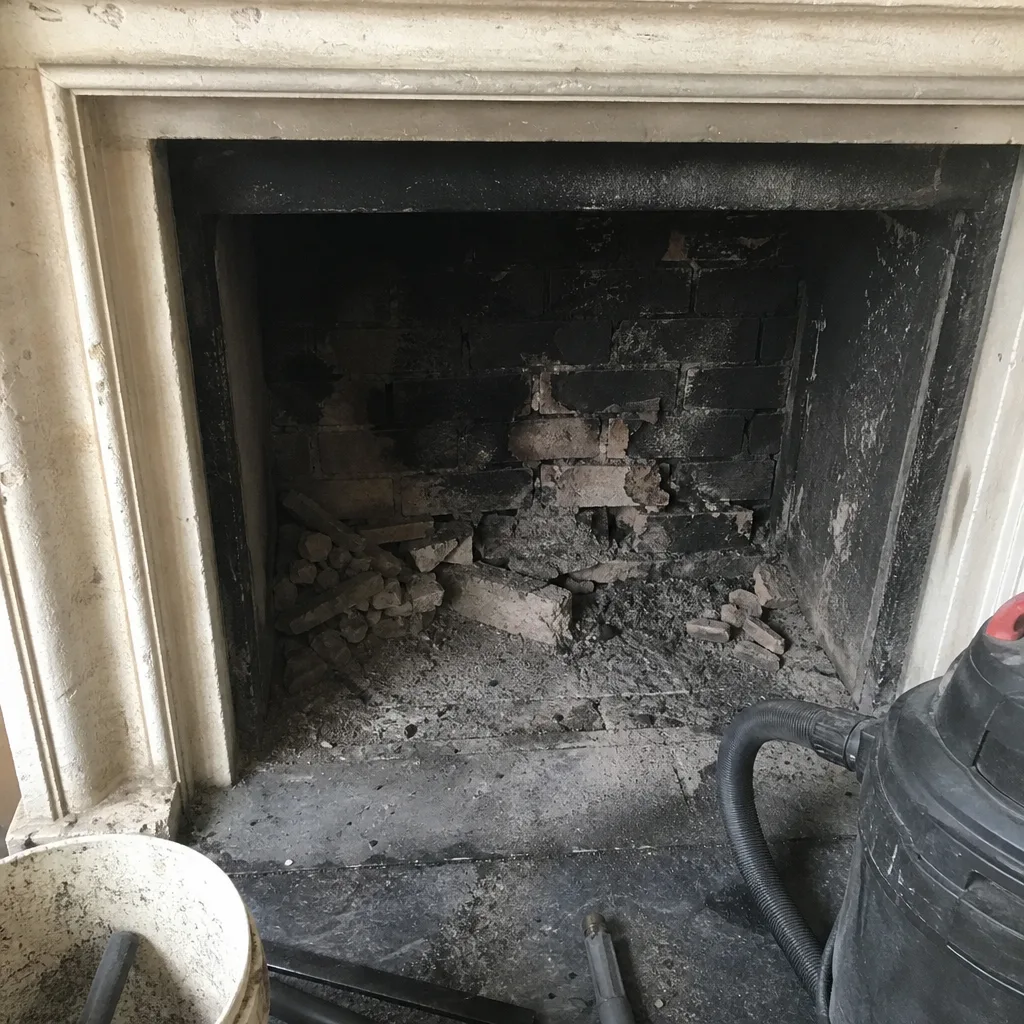 Before
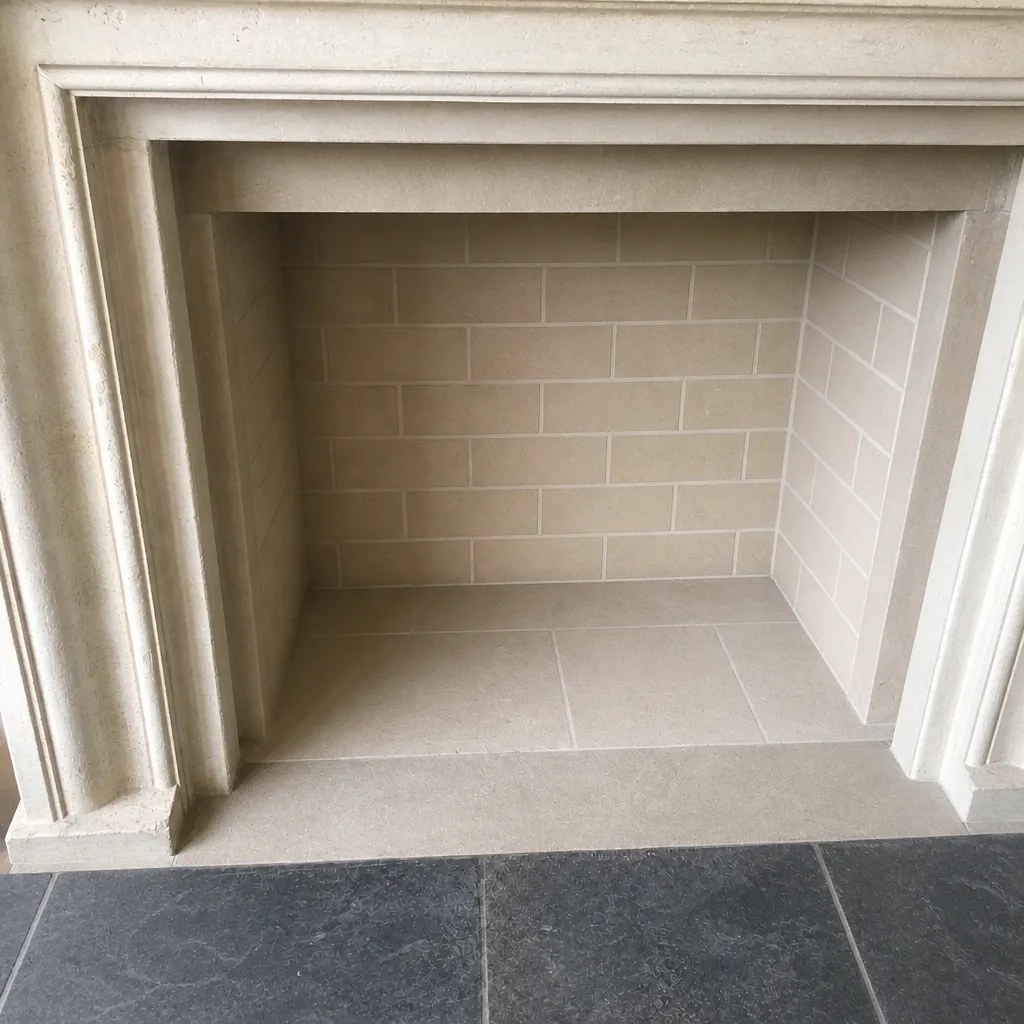 After
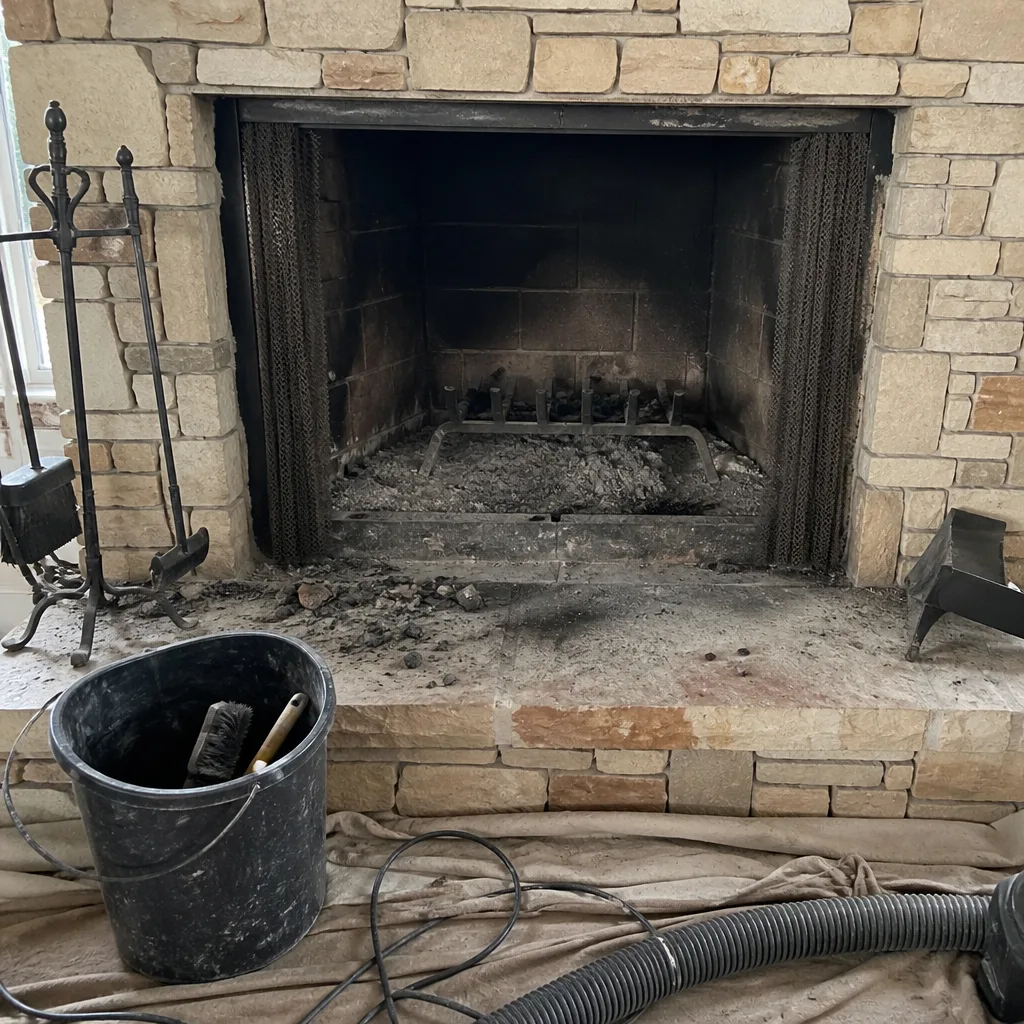 Before
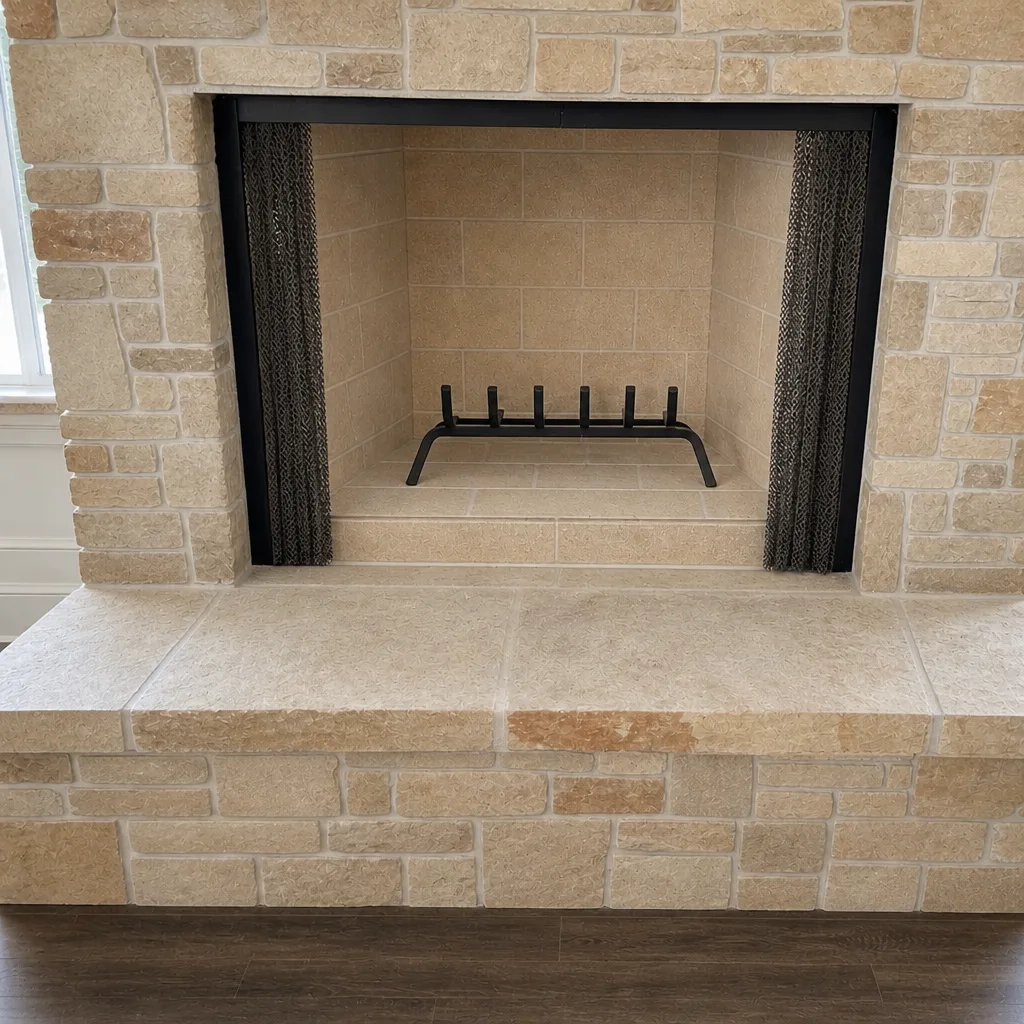 After
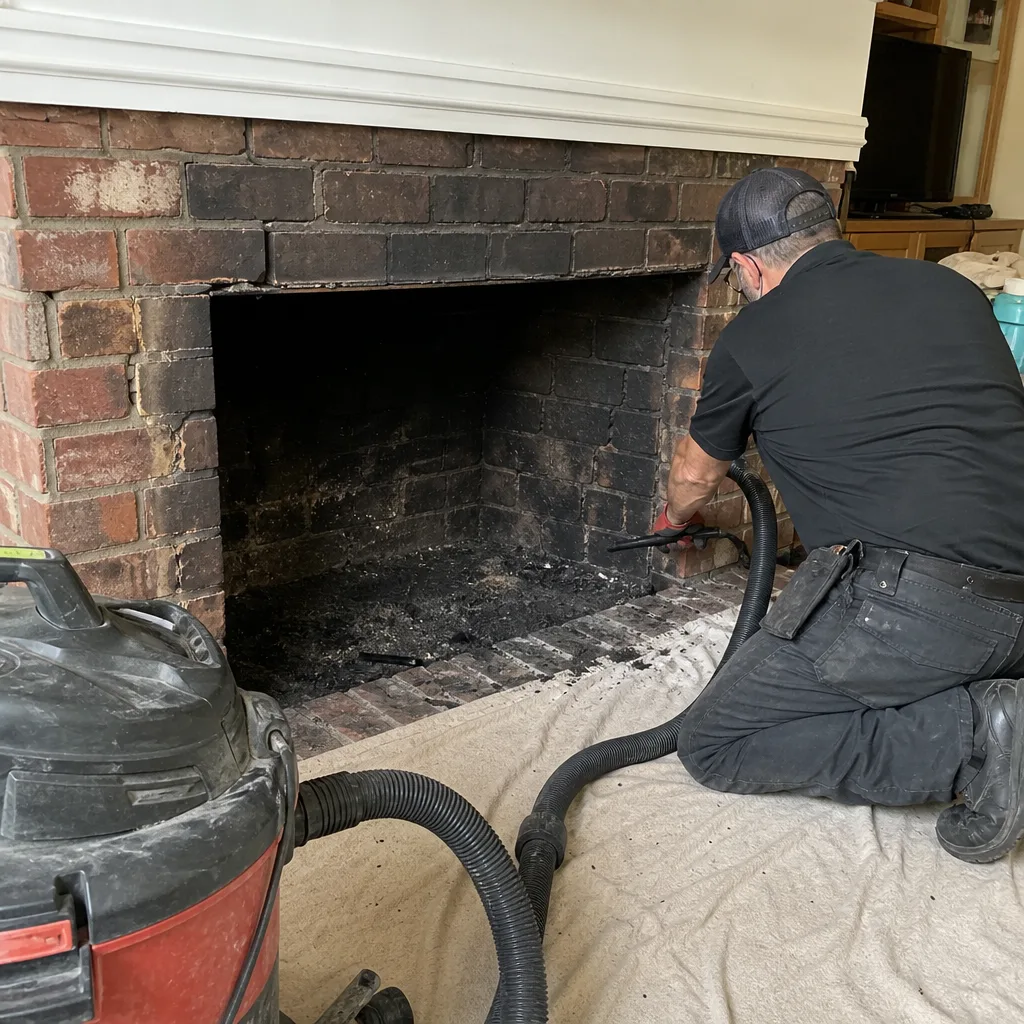 Before
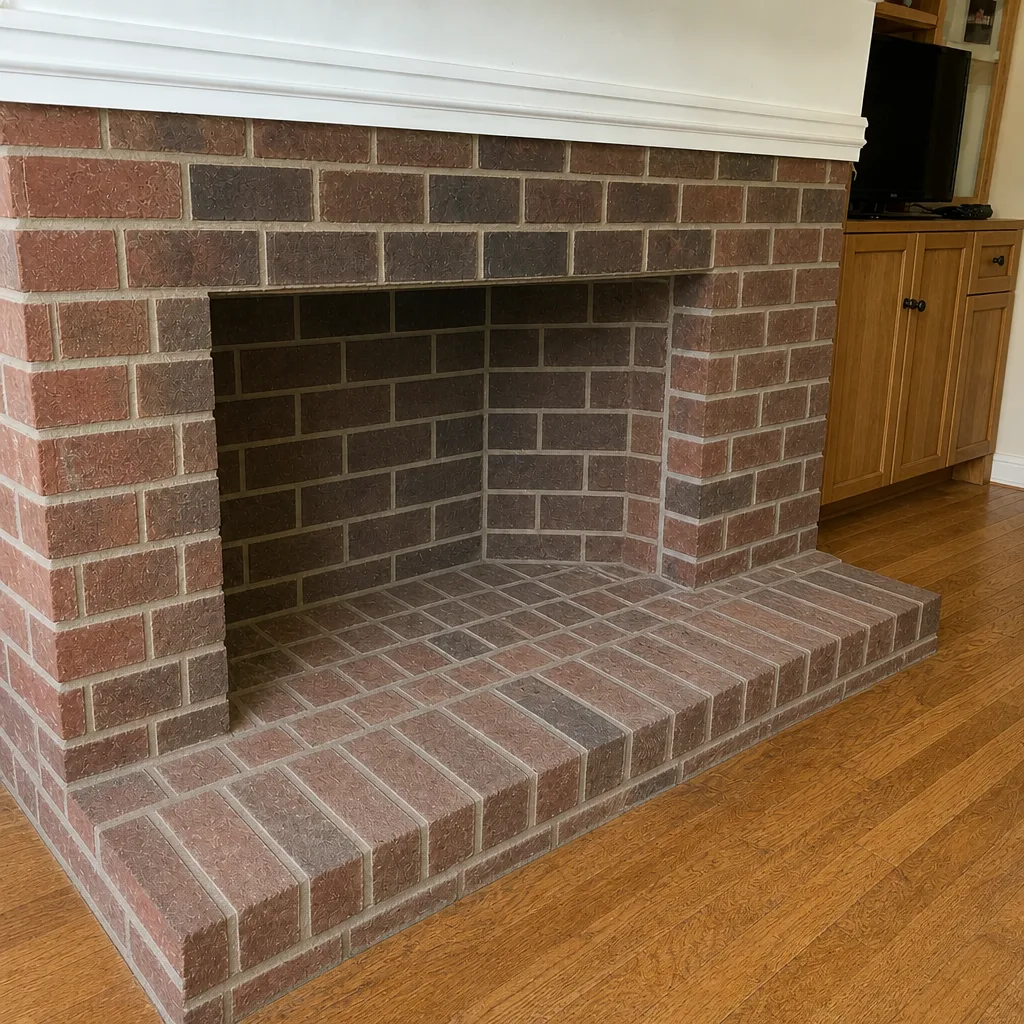 After
When to Call a Professional
Some items on the checklist are yours to handle. Others are a professional call. Call a professional if any of the following is true: you haven’t had your chimney swept and inspected in the last year; you see any “do not use” finding from the list above; you’ve noticed smoke rolling into the room with the fireplace door closed or open; you’re seeing water staining inside the firebox; any part of the crown, cap, or flashing looks damaged after a storm; or you’re buying a home with a fireplace you haven’t had inspected yourself. Chimney Sweep Preston Hollow covers all five services in one visit. We offer free estimates in Preston Hollow. Call (833) 769-0219. We answer 24/7. Fast dispatch from 7am to 7pm, Sunday through Friday.
Frequently Asked Questions
Once a year for most Preston Hollow homes, and more often if you burn wood heavily or notice any performance changes like poor draft or smoke backing into the room. The annual sweep is the baseline; the inspection that comes with it tells you whether more frequent service is warranted. If your fireplace is gas-only, ask during the inspection what schedule fits your setup.
“Do not use until repaired” means don’t light a fire in the fireplace until a professional evaluates and repairs the specific condition found. The most common triggers are a firebox back wall crack that catches a fingernail, glazed or bubbly creosote in the flue, a cracked or missing flue liner section, or a damper that won’t open. Each of those conditions means heat or flame can reach the structure it shouldn’t, so the fireplace comes off the schedule until it’s resolved.
Not safely, unless the chimney has been inspected recently. A skipped sweep means unknown creosote levels in the flue. Glazed creosote can ignite, and the fire can climb the flue faster than a homeowner can respond. Book the inspection before the first fire rather than risk it.
Photograph the crown, the cap, the flashing where the chimney meets the roof, the exterior brick face (front and sides), the inside of the firebox, the damper assembly, and the whole chimney from across the street. Date each photo and note what you saw. Those images are exactly what a professional needs in order to evaluate the chimney before arriving, and they’re the same images your insurer may ask about later.
A sweep cleans the flue, smoke shelf, and firebox of soot and creosote. An inspection evaluates the condition of the whole system: flue lining, smoke chamber, damper, firebox, crown, cap, and flashing. The two often happen in the same visit, but they answer different questions: “is the flue clean?” versus “is the whole system safe and sound?” A full-service chimney specialist handles both.
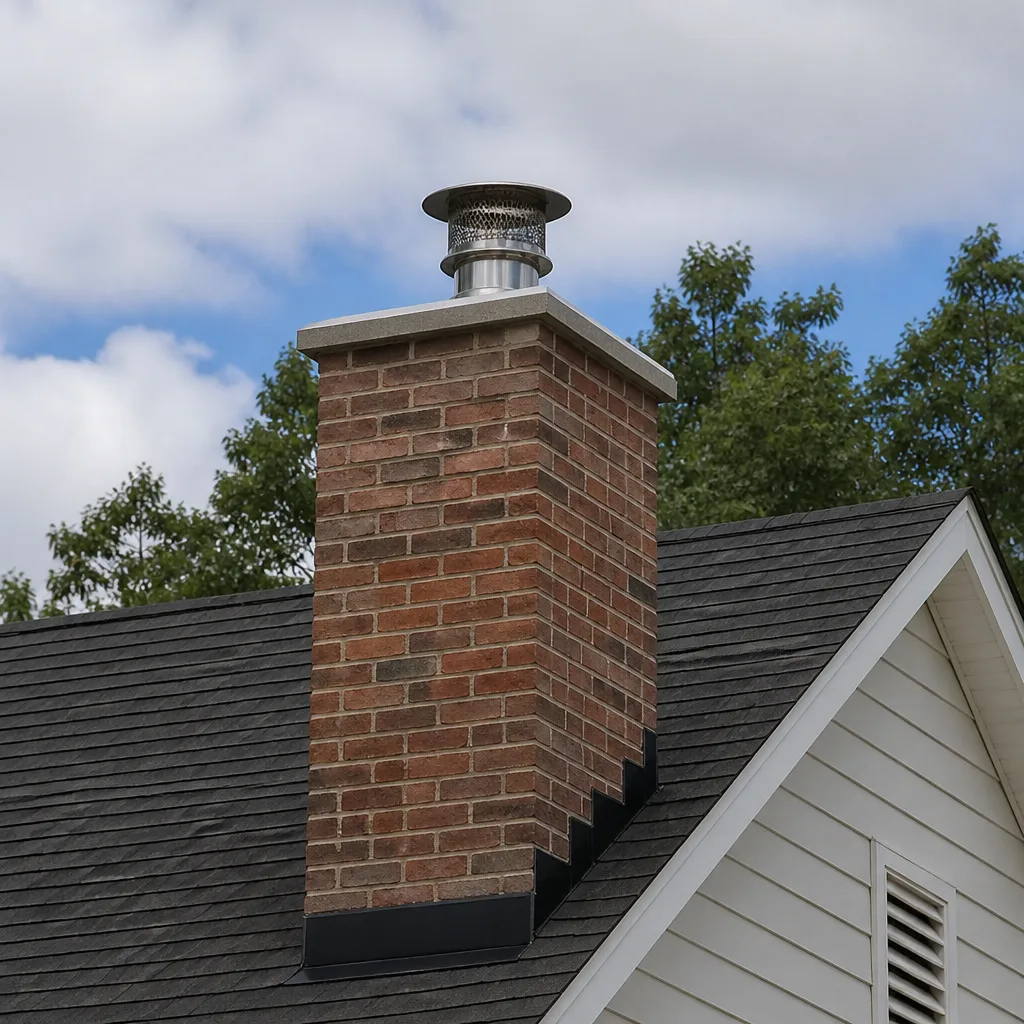
Yes, and for reasons that have nothing to do with trees. A cap keeps rain out of the flue, prevents birds and squirrels from nesting inside, and stops wind from blowing down the flue and pushing smoke into the living space. Gelco and Famco both make professional-grade caps with mesh screens that handle all of those jobs. In our experience, a failed or missing cap is the single most common source of water intrusion into a Preston Hollow chimney.
Third-degree creosote is glazed, hard, or bubbly, and it’s visible as a shiny or tar-like coating on the flue walls rather than a dry, powdery deposit. It can’t be cleaned with a standard brush. A professional inspection is the way to confirm what’s actually in the flue, and any glazed creosote finding means the chimney comes off the schedule until it’s addressed.
For most Preston Hollow homes, the two go together. The sweep addresses the material that needs to come out of the flue. The inspection addresses the condition of what’s left. If the sweep is skipped, the inspection sees only the surface condition. If the inspection is skipped, the sweep misses conditions the brush can’t evaluate. Together they give you a full picture of the system.
The Bottom Line
A chimney maintenance checklist in Preston Hollow only helps if it tells you what to look for and what to do with what you find. Run the ground-level visual check every October before first fire. Take the spring check in April seriously, because storm damage and water intrusion are cheaper to fix early. Photograph anything you find, and log every service with the material used. Watch the damper, the smoke shelf, and the firebox back wall, because those three skipped components are the ones that cause the most avoidable damage. And book the annual professional sweep and inspection as the foundation the whole checklist rests on. Call (833) 769-0219 for a free estimate. We answer 24/7. Fast dispatch from 7am to 7pm, Sunday through Friday.
Written by the team at Chimney Sweep Preston Hollow.