
Last updated November 22, 2026
 Sweep & inspection
 Caps & crowns
 Flue relining
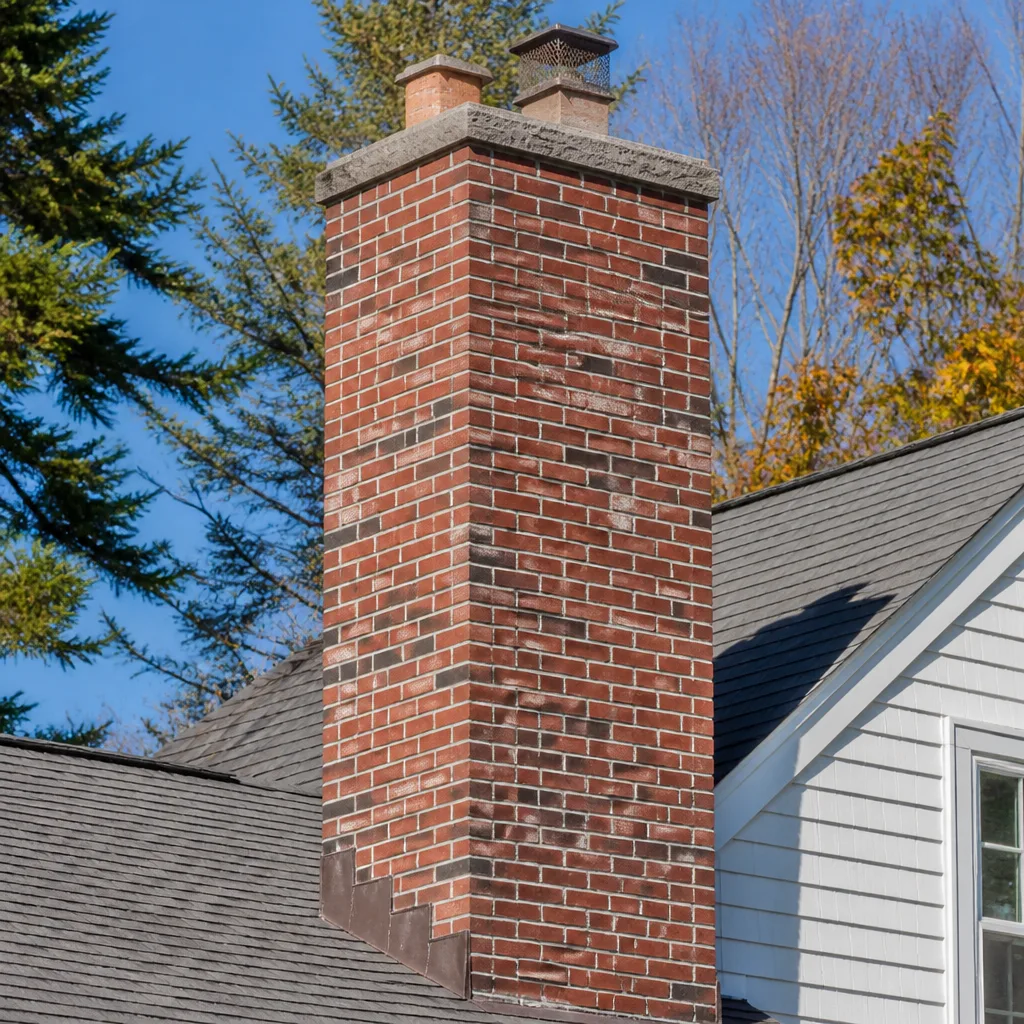 Masonry repair
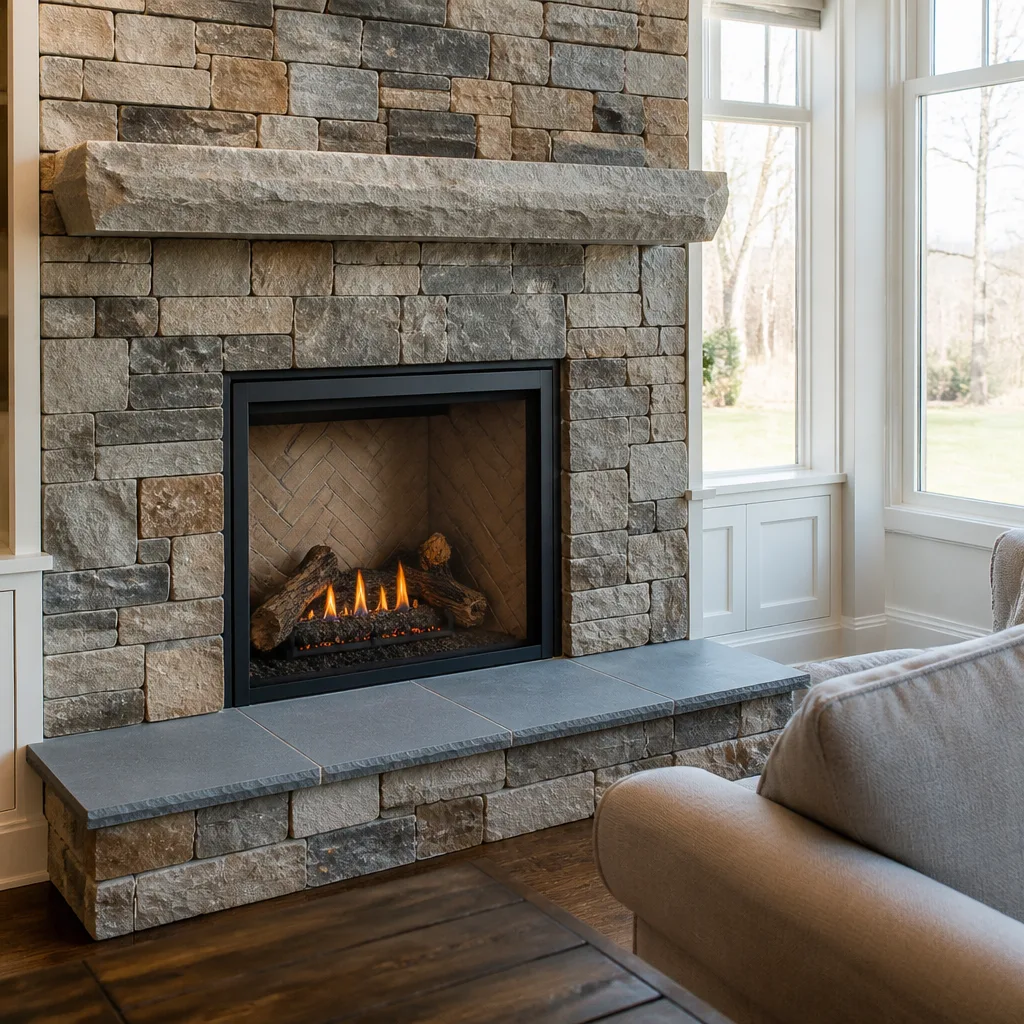 Gas fireplace service
Level 1 sweep and inspection to the NFPA 211 annual standard - flue, crown, cap, and flashing checked and photographed
Chimney sweep logs do not sweep chimneys. They loosen some creosote - which then falls where a brush and vacuum still have to collect it.
Choosing the Right Chimney Cleaning Brand: A Buyer’s Guide for Preston Hollow
When a chimney contractor recoats your crown, the product they use determines whether that repair lasts 3 years or 15. Most homeowners never think to ask what’s in the bucket. The conversation usually stops at the price, and the material behind the price never comes up. That’s a problem, because the difference between a hardware-store sealant and a professional-grade crown coating isn’t marketing, it’s chemistry and published performance data. In this guide we’ll walk through the product categories that actually matter, how to read a contractor’s answer when you ask what they use, and why Preston Hollow homeowners who ask better questions end up with repairs that hold.
Quick Answer
The right chimney cleaning “brand” is less about the sweep and more about the materials behind the work. Look for a company that names professional-grade products like HeatShield, DuraFlex, Gelco, or Copperfield and can explain why they chose them. In Preston Hollow, a full-service chimney specialist using branded, spec-sheet materials is easier to hold accountable than a generalist who won’t say what’s in the bucket.
Styles & brands we work with
- Sweep & inspection
- Caps & crowns
- Flue relining
- Masonry repair
- Gas fireplace service
Table of Contents
- Why the Products Matter More Than the Pitch
- The Four Product Categories Every Full-Service Chimney Company Should Stock
- What HeatShield and Other Professional Materials Do That Generic Alternatives Don’t
- How to Ask a Contractor What Products They Use
- Stainless Steel vs. Aluminum Liners: Which Fits Your Fireplace
- The Chimney Cap Material Hierarchy
- What Preston Hollow’s Climate Means for Chimney Materials
- Common Mistakes to Avoid
Why the Products Matter More Than the Pitch
A chimney is a system. Cap, crown, liner, firebox, flue. Every part interacts with the others, and the material you put on any one of them affects how long the whole assembly lasts. A sweep who shows up with a wire brush and a tube of caulk isn’t servicing a system. They’re patching a symptom of a problem they can’t diagnose.
That’s why the product question matters. It’s a proxy for how the company thinks. A contractor who can tell you the brand of crown coating they use, why they chose it, and what its published service life is has thought about the work. A contractor who says “we use good stuff” hasn’t. In our experience, the companies that can name their materials are also the ones that do camera inspections, write real reports, and stand behind what they install.
For Preston Hollow homeowners, this matters more than in most places. The housing stock here spans mid-century ranch homes, newer custom builds, and everything in between. A 1950s chimney and a 2010s chimney need different material choices, and the product decisions follow the house. A sweep who works the same way on every chimney isn’t thinking about your specific flue at all.
Our technicians have up to 9 years of experience, and the single most common reason we get called to redo work is that the original repair used the wrong product for the job. Not the wrong technique, the wrong product. That’s the gap this guide fills.
The Four Product Categories Every Full-Service Chimney Company Should Stock
When you’re evaluating a chimney company, you’re really evaluating four material categories. Any full-service chimney specialist should be able to speak to all four. If they can’t, they’re a sweep with a ladder, not a system-level contractor.
1. Liner Sealants and Resurfacing Systems
Liner sealants are the products used to restore a damaged flue without tearing it out. HeatShield is the best-known professional system in this category, and it’s what separates a company that can rescue a cracked liner from one that has to turn the job away. A sweep-only operation can’t do this work. It requires specialized tools, trained application, and a restoration approach rather than a demolition-and-replace one.
2. Crown Coatings
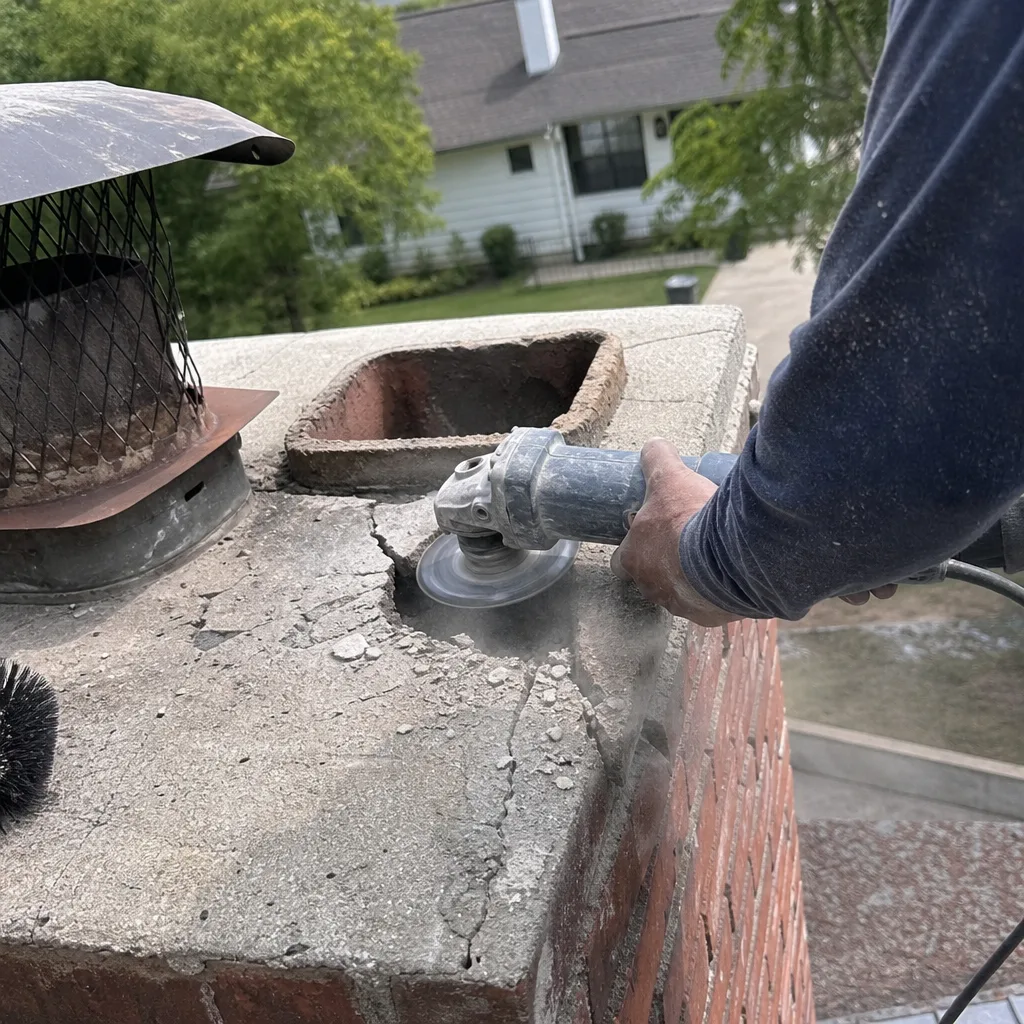
The crown is the concrete cap at the very top of the chimney. It sheds water. When it cracks, water gets in and the damage starts. Crown coatings range from a $12 tube of elastomeric caulk at the hardware store to professional-grade coatings with published flexibility and UV-resistance specs. The difference in service life is the whole point.
3. Chimney Caps
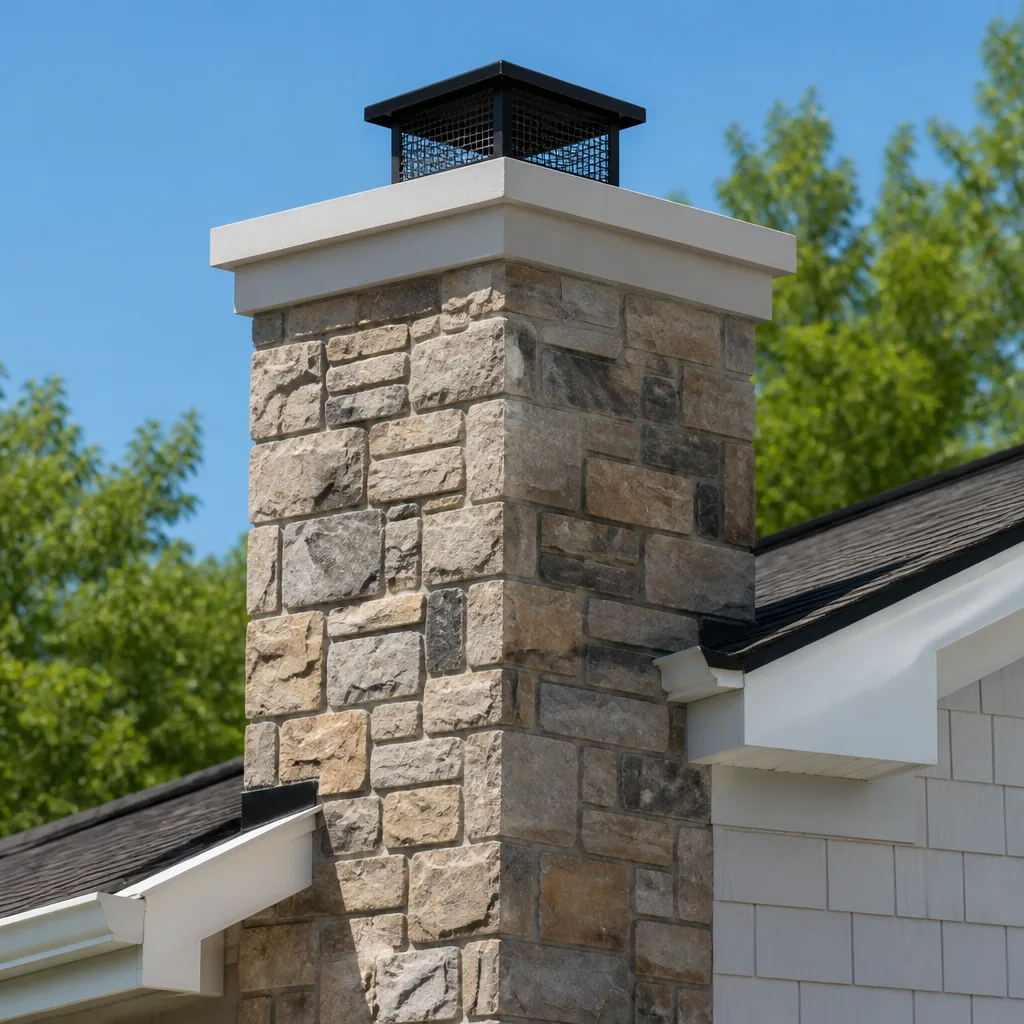
Caps keep water, animals, and debris out of the flue. They also affect draft. Cap materials range from galvanized steel to copper, and the one you choose should reflect the climate, the chimney’s exposure, and how long you plan to stay in the house. We use Gelco and Famco components for chimney cap & crown work because both have published material specs you can actually look up.
4. Flue Brushes and Sweeping Tools
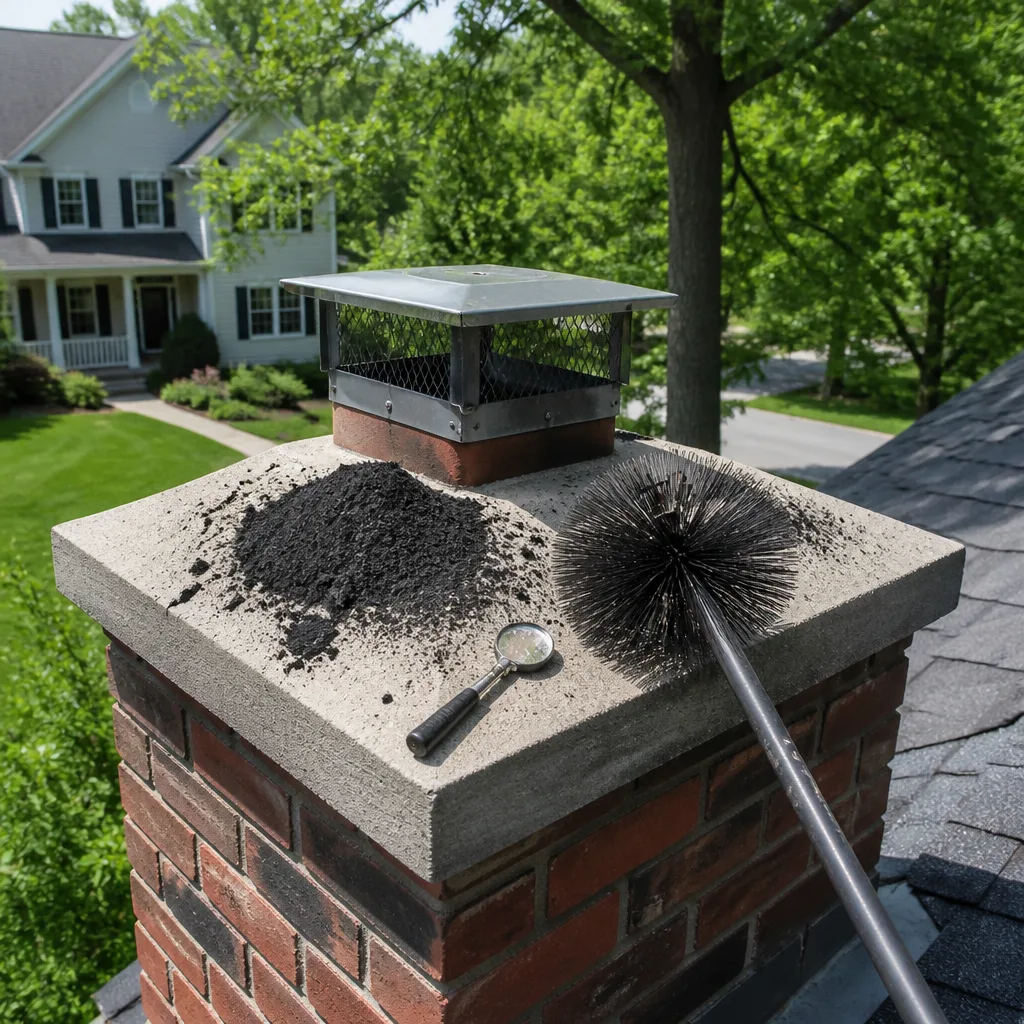
The brushes matter less than you’d think, but they do matter. Poly brushes for stainless liners, wire brushes for masonry, and the right diameter for the flue. A company that shows up with one brush for every job isn’t matching the tool to the flue.
What HeatShield and Other Professional Materials Do That Generic Alternatives Don’t
Professional-grade chimney materials are different from hardware-store equivalents in three ways: published specs, tested service life, and a manufacturer standing behind the product. That’s it. No magic. But those three things change everything about how you can hold a contractor accountable.
Take HeatShield. It’s a resurfacing system, not a liner replacement. It works by applying a proprietary refractory material to the interior of the existing flue, sealing cracks and rebuilding a smooth surface. The advantage is that it’s non-invasive. A flue that would otherwise need a full reline can often be rescued with HeatShield, at lower cost and with less disruption to the chimney structure. A sweep-only competitor can’t offer this. They’ll tell you the liner needs replacing because replacement is the only tool they have.
ChimneySaver is the other name that comes up in professional crown and sealant work. Like HeatShield, its products carry published service-life data and material specs. That’s what you want to see. A branded material with a spec sheet is a material you can look up, compare, and hold the contractor to.
Hardware-store equivalents aren’t bad products. They’re just not designed for the same application. A $15 tube of caulk is fine for sealing a window frame. It’s not fine for a crown that bakes in Texas sun and takes direct rain for a decade. When a contractor quotes you a crown repair and won’t say what product they’re using, they’re usually using the $15 tube and charging you for the professional one. That’s the gap that branded materials close.
How to recognize a professional-grade product
- The contractor can name the brand without checking
- The product has a published spec sheet (flexibility, UV resistance, service life)
- The manufacturer offers a warranty that transfers to your work
- The product is sold through professional supply channels, not just retail
- The contractor can explain why they chose it for your specific chimney
How to Ask a Contractor What Products They Use
Asking the question is easy. Interpreting the answer is the actual skill. Here’s the sequence that works, and what each kind of answer tells you.
- Ask directly: “What crown coating do you use, and why?” A good contractor names it and explains the choice. A weak one deflects. “We use a high-quality product” is not an answer.
- Ask for the spec sheet. Not because you’ll read every number, but because the request itself tells you whether the contractor has one. A pro will have it on their phone or email it over. A generalist won’t.
- Ask what happens if the repair fails. A branded product has a manufacturer behind it. A generic one doesn’t. The contractor’s answer tells you how much they trust the material.
- Ask why that product and not the alternative. A DuraFlex liner vs. a HeatShield resurfacing job is a real decision with real trade-offs. A contractor who can explain the trade-off for your specific chimney has thought about your chimney.
- Ask what they’d use on their own house. The answer is usually the same product, and the way they say it tells you whether they believe it.
Preston Hollow homeowners who run these five questions tend to end up with better repairs. Not because the contractors are better, but because the questions screen out the ones who aren’t. And a contractor who passes the screen is a contractor who is easier to call back when something needs attention three years down the line.
We answer this question on every estimate. Chimney Sweep Preston Hollow uses DuraFlex, HeatShield, Gelco, Olympia Chimney, Famco, and Copperfield, and we can explain every material choice on your specific job. That’s not a sales pitch. It’s the standard you should hold any chimney company in Preston Hollow to.
Stainless Steel vs. Aluminum Liners: Which Fits Your Fireplace
Liner material is where the price difference between quotes shows up most clearly. Stainless steel liners cost more than aluminum. Whether that extra cost is the right call depends entirely on what you’re burning and what your chimney’s flue was originally built for.
Stainless steel liners
Stainless is the standard for wood-burning appliances. It handles the higher flue gas temperatures that wood fires produce, and it holds up to the acids that form when wood smoke condenses in the flue. A stainless liner is a long-term answer, and DuraFlex flexible liner systems are the professional-grade version we install for wood-burning relines. The flexibility matters because most chimneys, especially in older Preston Hollow homes, have offsets and bends that a rigid liner can’t navigate. DuraFlex handles those, which is why it’s the name you’ll hear from any contractor doing serious relining work.
Aluminum liners
Aluminum is the correct material for gas appliances and for venting certain gas-fired inserts. It’s less expensive, easier to work with, and rated for the lower temperatures that gas produces. If a contractor quotes you an aluminum liner for a wood-burning fireplace, that’s a red flag. The material isn’t rated for the application, and a wood fire will eventually destroy it.
The real difference for Texas applications
In Texas, the question isn’t whether it gets cold enough to matter. It gets cold enough that a wood fire runs for weeks each winter, and it gets hot enough in summer that a gas insert runs often. The liner material should match the fuel. If you burn wood, stainless. If you burn gas, aluminum is fine but stainless lasts longer.
The professional-grade name matters here too. DuraFlex carries published temperature ratings and a manufacturer warranty. A no-name stainless liner from a generalist might be stainless, but that’s not the whole specification. The alloy, the wall thickness, and the joint construction all affect service life, and a branded product lets you verify all three.
The Chimney Cap Material Hierarchy
A chimney cap is the single cheapest piece of the system and the one that does the most to prevent water damage. It’s also the piece most likely to be installed as an afterthought. The material you choose determines how long it lasts in Preston Hollow’s climate.
Here’s the hierarchy from least to most durable:
- Galvanized steel: The lowest-cost option. Handles basic weather but shows rust faster than other materials, especially with the humidity that comes with Texas rain.
- Aluminum: Doesn’t rust, which is its main advantage. Lighter gauge means less durability under hail and debris, but for a basic cap on a well-protected chimney, it’s a reasonable choice.
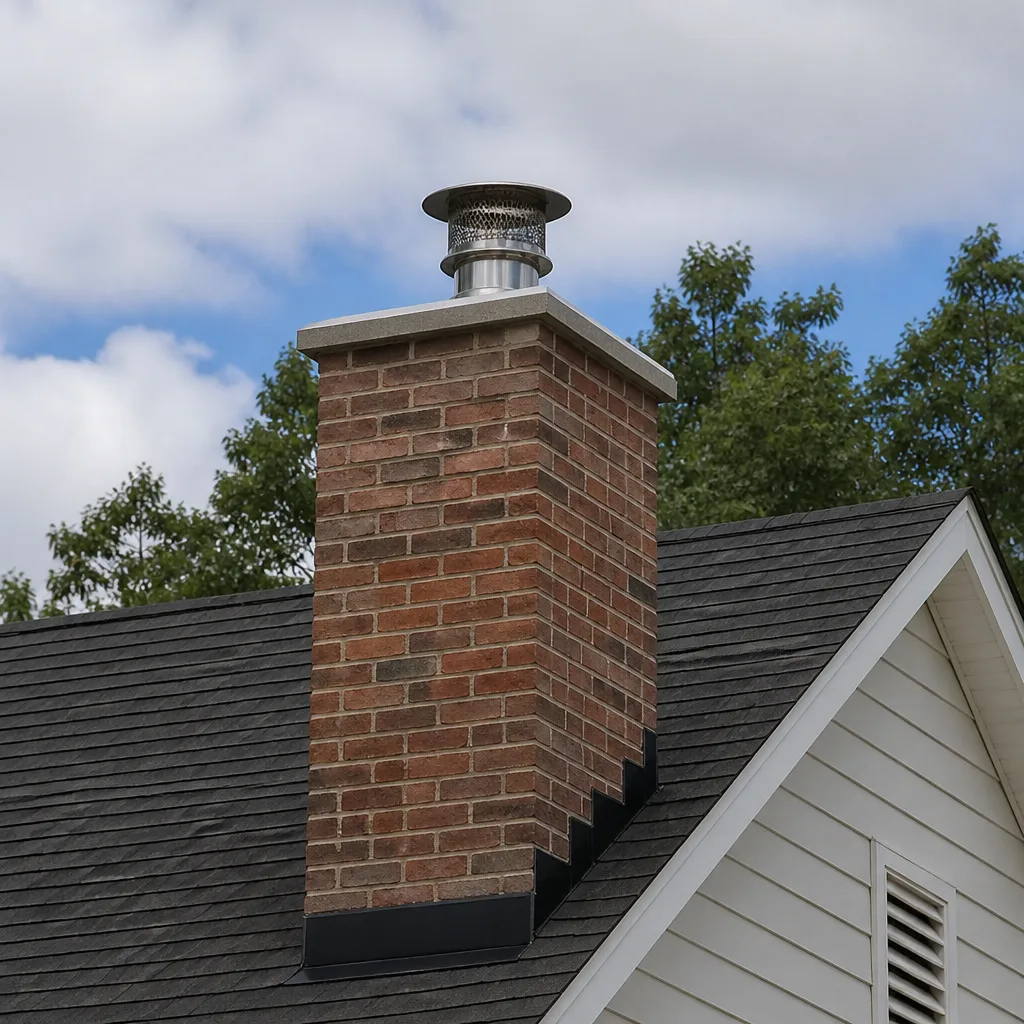
- Stainless steel: The long-term standard. Handles hail, wind, and the thermal cycling that comes with hot Texas summers and mild winters.
- Copper: The top of the hierarchy. Copper develops a natural patina and holds up for decades. It also costs the most, which is why it’s usually specified on higher-end homes where the roof and chimney are matched architecturally.
We install Gelco and Famco caps because both brands publish material specs and carry a manufacturer warranty. A cap with a warranty is a cap you can hold someone to. On a Preston Hollow home, the cap is the part of the chimney that sees the most weather, and it’s the part most homeowners never look at. A stainless or copper cap is the one that’s still there in 15 years.
The right choice depends on the house. For a mid-century ranch in Preston Hollow, a stainless cap is usually the smart call. For a newer custom build where the chimney is a visible architectural element, copper often makes sense. Both are better than the galvanized cap that was probably there before.
What Preston Hollow’s Climate Means for Chimney Materials
Preston Hollow has mild winters. That’s the defining fact for chimney material selection here, and it changes what you should care about compared to a colder market.
In colder regions, freeze-thaw damage is the dominant chimney problem. In Preston Hollow, it isn’t. Our winters are mild, which means the masonry doesn’t go through the same cycle of freezing and thawing that destroys chimneys up north. That shifts the material conversation toward rain and sun and thermal cycling rather than frost. Water intrusion from rain is the biggest threat, and it’s why caps and crowns matter so much. UV exposure from Texas sun degrades inferior sealants faster than in cooler climates. Thermal cycling from hot summers and mild winters expands and contracts every joint on the chimney, which is why flexible crown coatings outlast rigid ones.
For the fireplace itself, Preston Hollow fires run in the cooler months, which means the firebox and flue see intermittent use rather than continuous. That’s a good thing for long-term wear, but it also means creosote can build up over a season without a homeowner noticing. That’s why an annual chimney sweep matters here. A clean flue reduces creosote buildup, and creosote is the leading cause of chimney fires.
Housing stock matters too. Preston Hollow has a mix of mid-century homes with original masonry chimneys and newer builds with factory-built systems. The materials selected for the two are not the same. A restoration system like HeatShield is often the right call on the older masonry. On a newer factory-built system, a DuraFlex reline is usually the answer. A contractor who works the same way on both isn’t matching material to house.
Common Mistakes to Avoid
- Hiring on price alone. The lowest quote is often the cheapest product. A $200 crown repair using a hardware-store sealant will likely be a $200 crown repair again in a few years. The professional-grade coating costs more up front and lasts longer.
- Not asking what’s in the bucket. If the contractor can’t name the product, that’s the answer. Branded materials carry spec sheets and warranties for a reason.
- Using a sweep for liner work. A sweep-only company can’t do HeatShield resurfacing or DuraFlex relining. If they say your liner needs replacing without doing a camera inspection first, get a second opinion.
- Letting an aluminum liner go into a wood fireplace. Aluminum is rated for gas appliances. Wood fires produce temperatures that aluminum isn’t designed for. The material should match the fuel.
- Skipping the cap because it “looks fine.” Caps fail silently. A galvanized cap that’s been through a few Texas summers is probably rusting on the underside where you can’t see it. The cap is the #1 source of water intrusion damage on a Preston Hollow chimney.
- Confusing a coat of paint for a crown repair. A crown coating should be a flexible, UV-rated product applied over a properly prepped surface, not a paint job over cracks. If the contractor’s bid is a thin coat of something, ask what it is.
- Not asking whether the repair can wait. Not every chimney problem is urgent. A small crack in a crown that’s still shedding water may not need attention for a season. A professional will tell you when work can safely wait. If they won’t, they’re selling, not diagnosing.
- Assuming any fix will do for a 1950s masonry chimney. Older Preston Hollow chimneys often have offset flues and clay tile liners that call for specific materials. The right product for a newer factory-built system may not be appropriate for a mid-century masonry chimney.
When to Call a Professional
Some chimney work is a genuine safety issue, and some of it is routine maintenance. Knowing the difference helps you call at the right time. Call a professional when you smell smoke in the house outside of the fireplace, when the fire doesn’t draft properly, when you see visible damage to the crown or cap, when you’ve never had the chimney inspected, or when you’re about to use a fireplace that hasn’t been used in a long time. Call before burning season if you burn wood regularly, because a clean flue is the safest flue. Never attempt to inspect or repair a liner, firebox, or crown yourself. Those components are structural and pose real risks when handled incorrectly. Chimney Sweep Preston Hollow offers free estimates in Preston Hollow. Call (833) 769-0219. Our technicians have up to 9 years of experience and can do a camera inspection that shows you exactly what’s happening inside your flue.
Frequently Asked Questions
A chimney sweep removes creosote and debris from the flue, checks the firebox and damper, and usually does a visual inspection of the accessible components. A full-service sweep also inspects the crown, cap, and liner, and can quote repair work if something’s wrong. Call (833) 769-0219 to book a sweep.
Professional-grade crown coatings have published flexibility, UV-resistance, and service-life specs. Hardware-store products don’t, and they’re not designed for the thermal cycling a crown experiences. A branded coating like the ones we use will last years longer. Ask what product is being used and why.
Once a year is the standard for a wood-burning fireplace that sees regular use. If you burn occasionally, less frequent sweeps may be fine. If you burn often, an annual sweep before the first cold snap is the safest schedule. Call (833) 769-0219 to schedule.
No. Liner resurfacing with HeatShield and relining with DuraFlex require specialized tools and training beyond standard sweep work. A sweep-only company will either turn the job away or sub it out. We handle it in-house as part of our fireplace repair and chimney repair services.
HeatShield is a resurfacing system that rebuilds the interior of the flue without a full reline. DuraFlex is a flexible stainless steel liner that replaces a damaged flue entirely. HeatShield is less invasive; DuraFlex is a full replacement. Which one is right depends on the condition of your flue, which a camera inspection determines.
Ask for the product name and the spec sheet. Professional-grade materials have published performance data, a manufacturer warranty, and are sold through professional supply channels. If the contractor can’t name the product or produce a spec sheet, they’re probably not using one.
The Bottom Line
The brand behind the brush matters less than the brand in the bucket. Professional-grade chimney materials carry published specs and manufacturer warranties. Generic ones don’t. A contractor who can name their products, explain the choice for your specific chimney, and produce a spec sheet is a contractor you can hold accountable. In Preston Hollow, that’s the difference between a crown repair that lasts 3 years and one that lasts 15. We work with DuraFlex, HeatShield, Gelco, Olympia Chimney, Famco, and Copperfield because those are the materials you can verify. Call (833) 769-0219 for a free estimate. We answer 24/7. Fast dispatch from 7am to 7pm, Sunday through Friday.
Written by the team at Chimney Sweep Preston Hollow.
See the difference
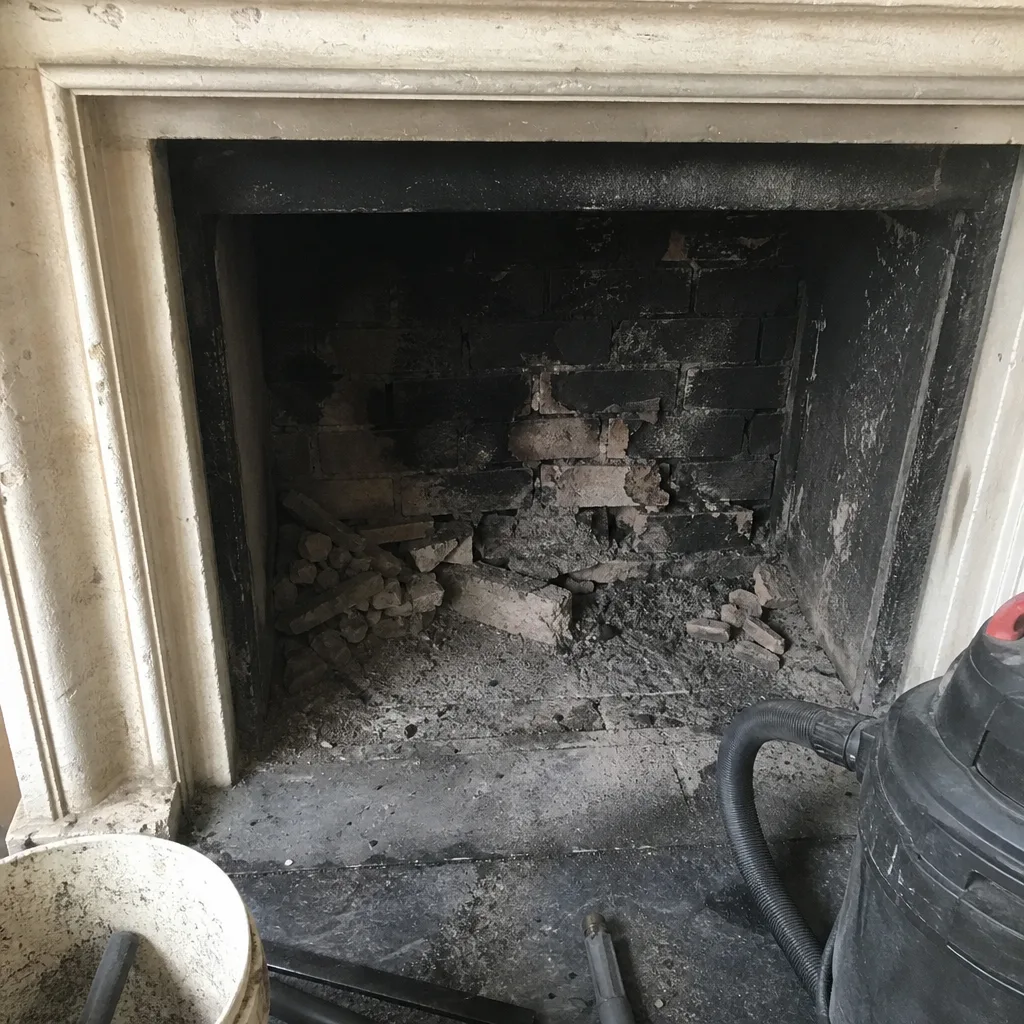 Before
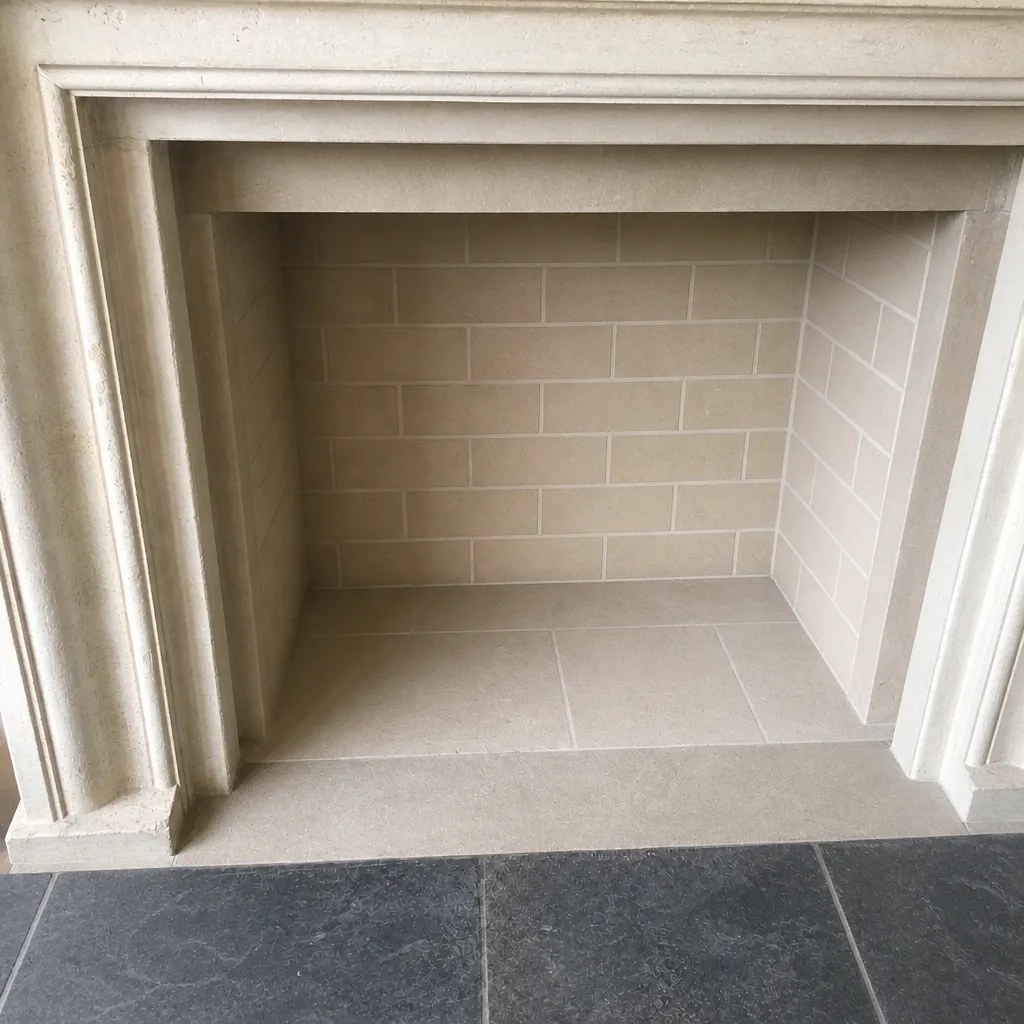 After
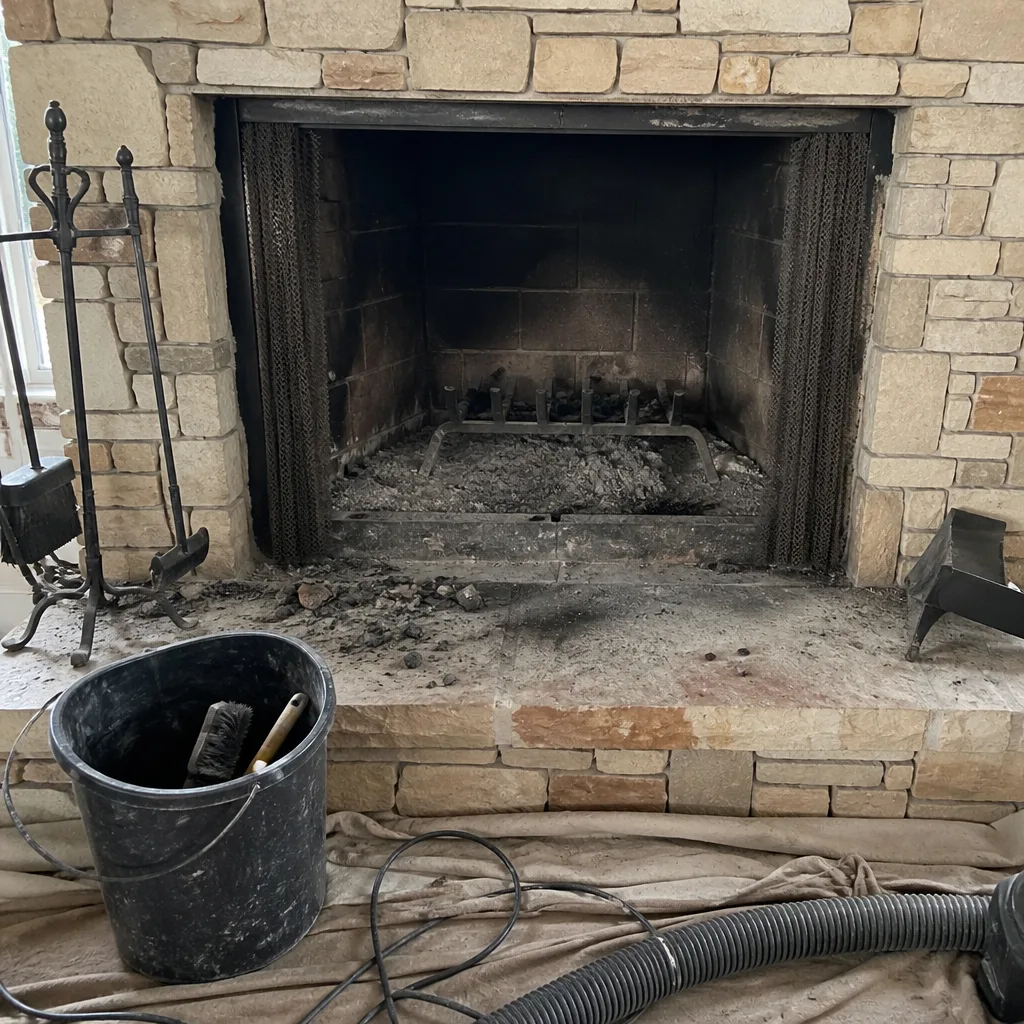 Before
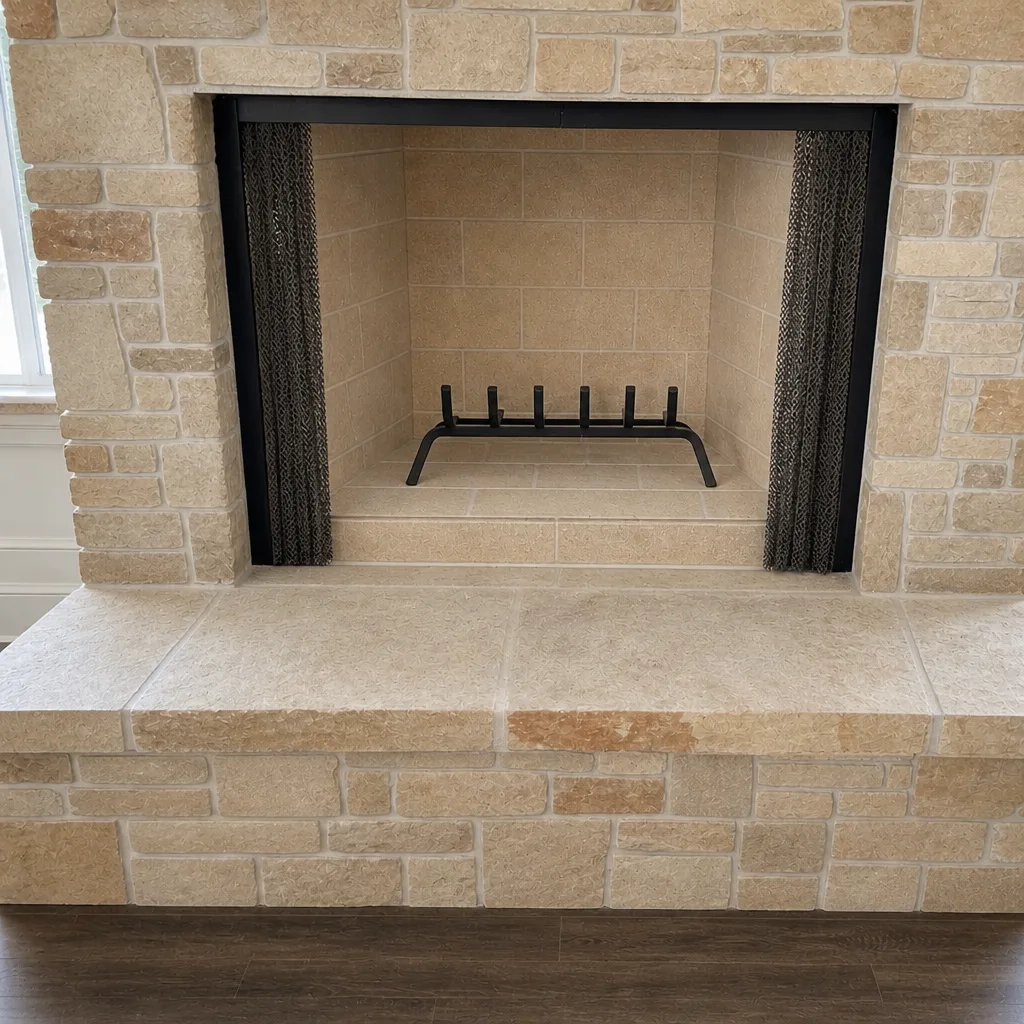 After
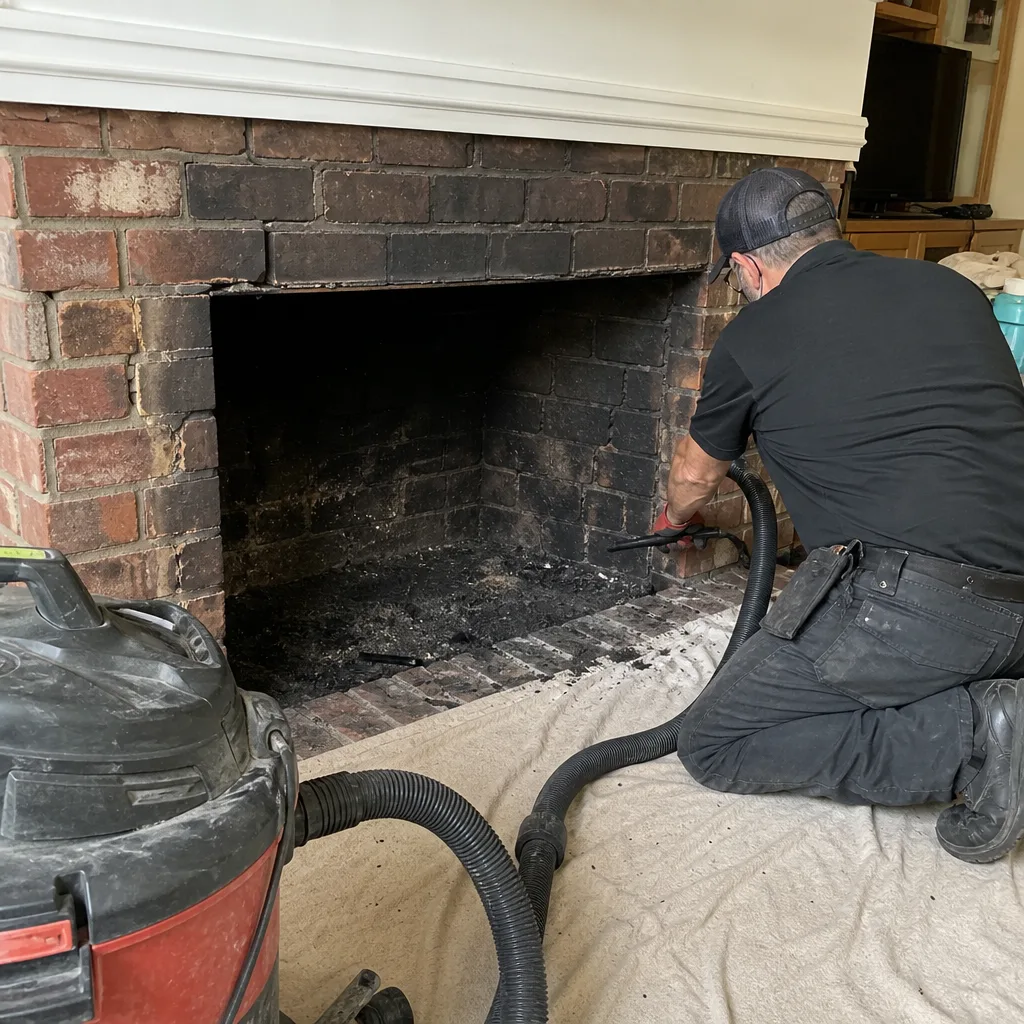 Before
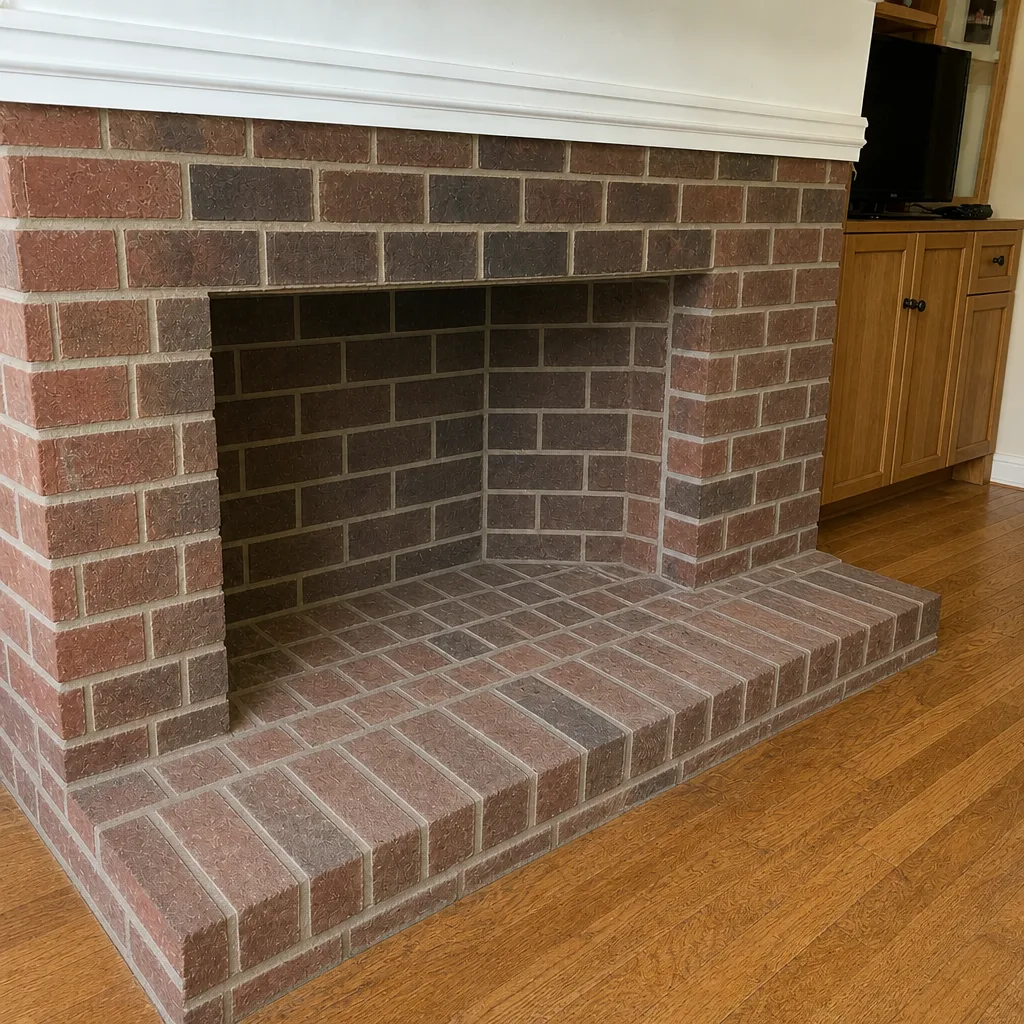 After