
Last updated November 22, 2026
 Sweep & inspection
 Caps & crowns
 Flue relining
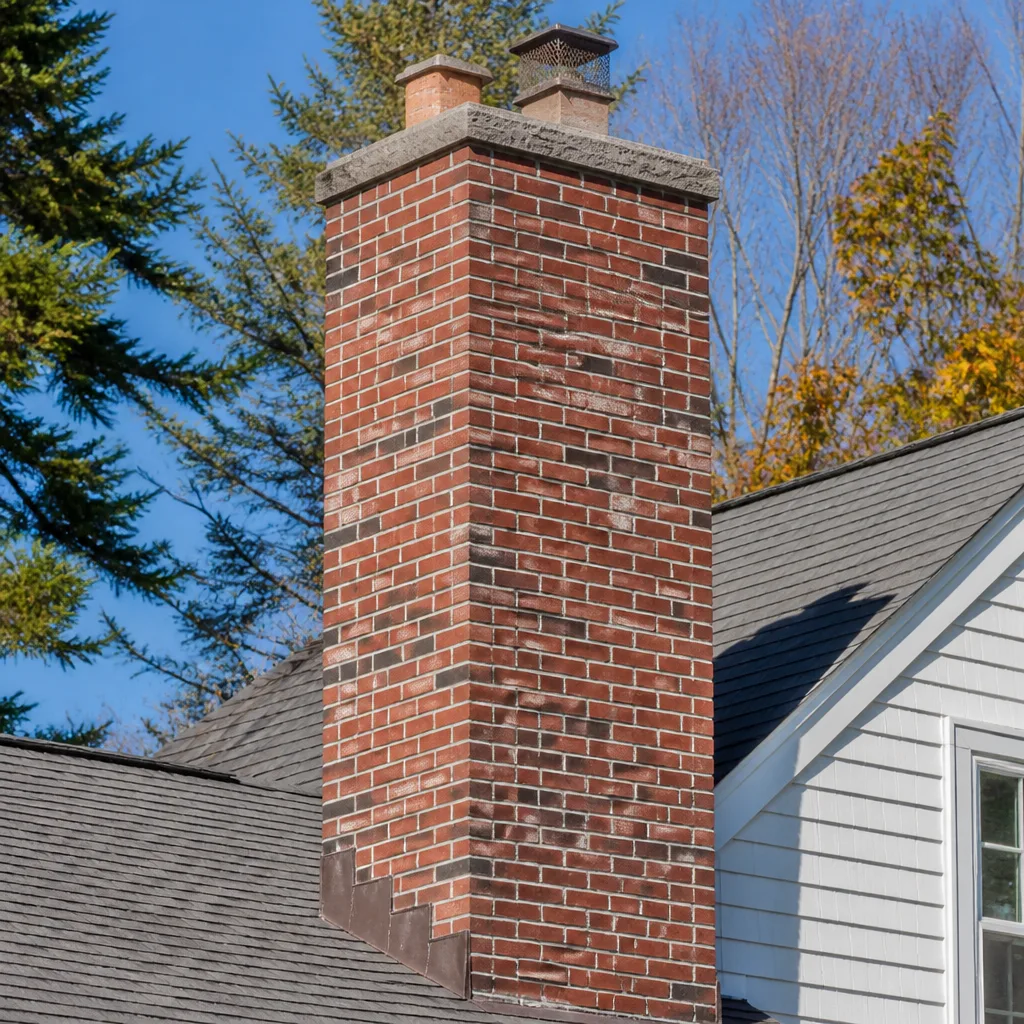 Masonry repair
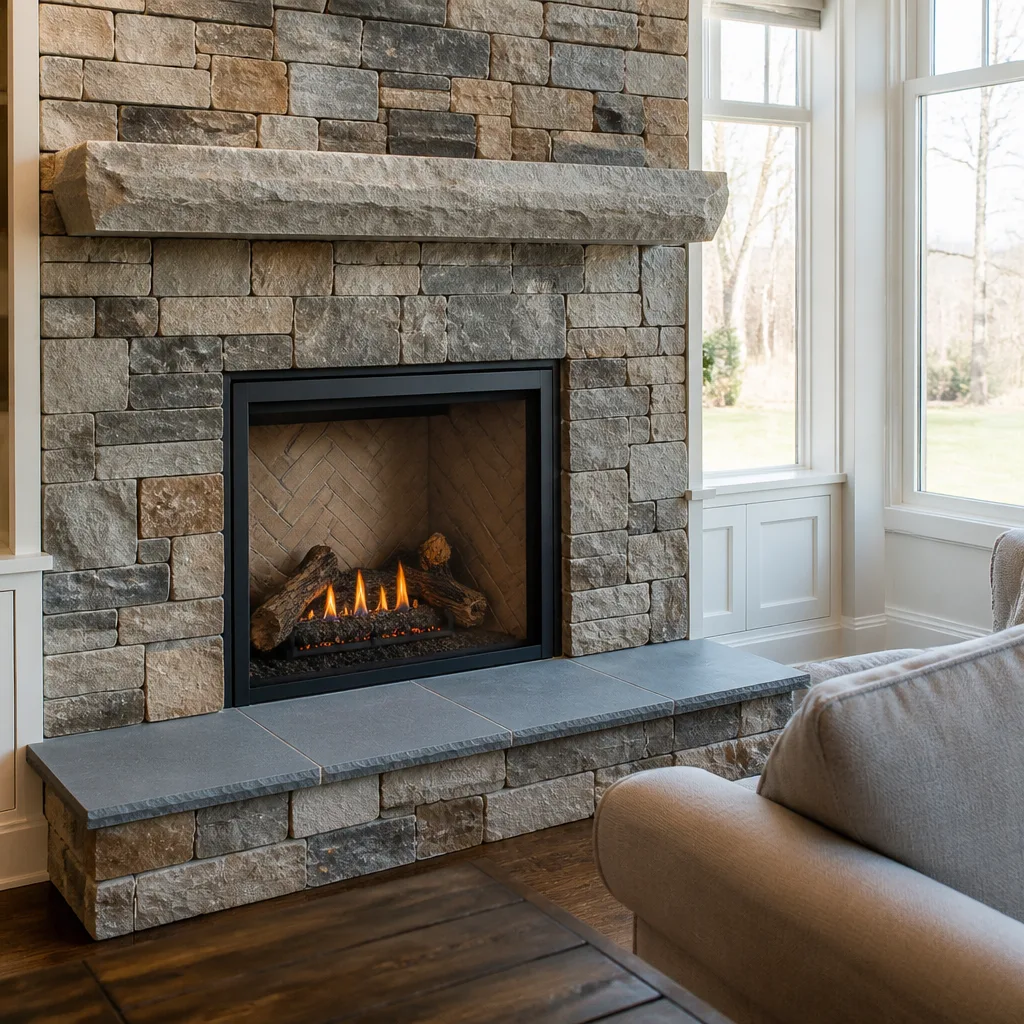 Gas fireplace service
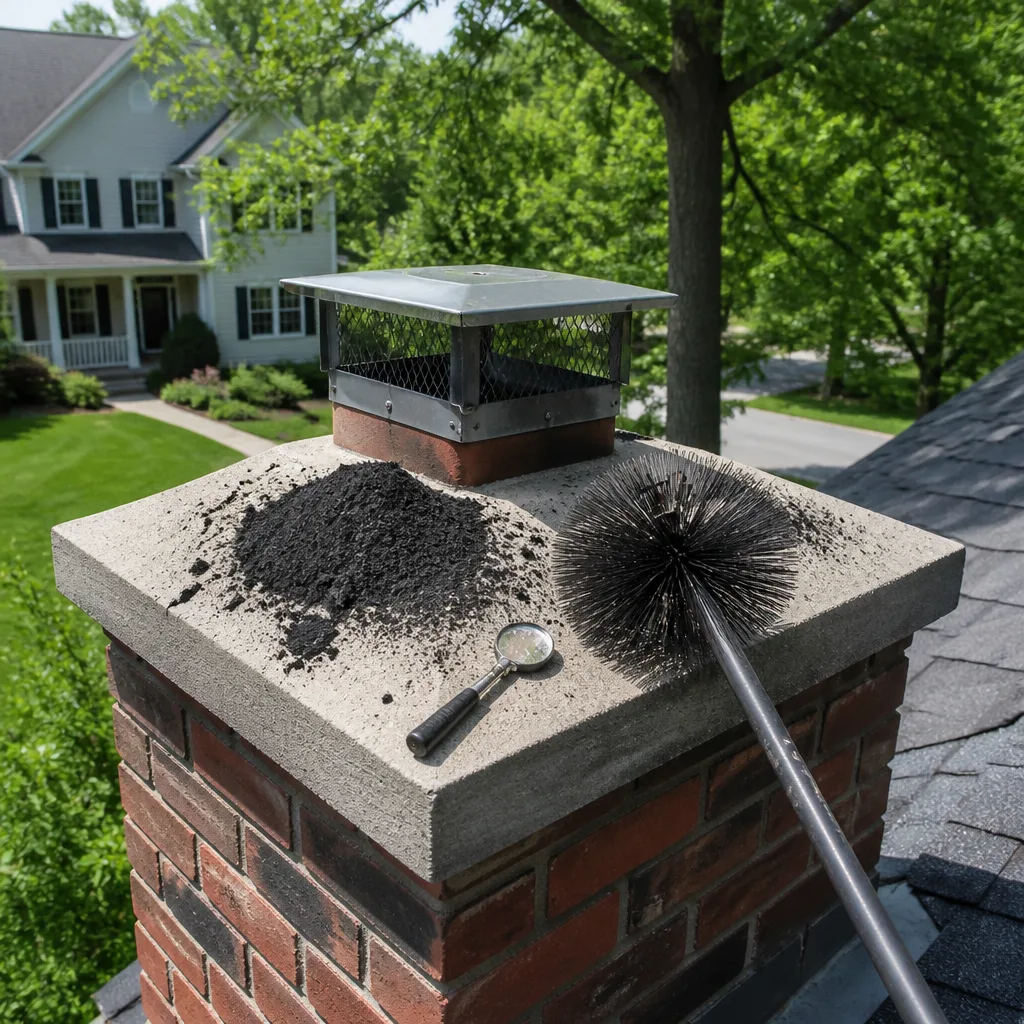
Level 1 sweep and inspection to the NFPA 211 annual standard - flue, crown, cap, and flashing checked and photographed
Chimney sweep logs do not sweep chimneys. They loosen some creosote - which then falls where a brush and vacuum still have to collect it.
The Complete Guide to Chimney Cleaning in Preston Hollow
Most chimney guides are written for a 1,200-square-foot ranch with a prefab fireplace. If your Preston Hollow home was built before 1980 or has more than one fireplace, those guides are leaving out the most important half of the job. Estate-scale homes here were often built with oversized fireboxes, deep hearths, and flue dimensions that don’t match the standards a modern sweep expects. That changes how creosote accumulates, how a sweep is actually performed, and how often it needs to happen. This guide walks through what chimney cleaning in Preston Hollow really involves: the masonry styles, the clay liner vintages, the inspection levels, and the local weather patterns that sit behind every recommendation we make.
Quick Answer
Chimney cleaning in Preston Hollow means removing creosote, soot, and debris from the flue and firebox, then inspecting the full system – cap, crown, liner, firebox, and damper – for damage or blockage. Most homes that burn regularly need a sweep once a year, but estate-scale fireplaces with oversized flues and heavy use can build creosote faster. A proper clean ends with a camera check and a written report, not just a brushed flue.
Styles & brands we work with
- Sweep & inspection
- Caps & crowns
- Flue relining
- Masonry repair
- Gas fireplace service
Table of Contents
- Why Preston Hollow Chimneys Are Different
- How Often Should You Schedule a Chimney Sweep?
- What “Fully Cleaned” Actually Means
- Level I vs. Level II Inspections: Which Do You Need?
- Clay Liners, Camera Inspections, and the Pre-1990 Problem
- How Dallas’s Occasional Hard Freezes Affect Your Chimney
- Caps, Crowns, and Water Intrusion
- How to Prepare for a Sweep
Why Preston Hollow Chimneys Are Different
Preston Hollow isn’t a neighborhood of uniform tract homes. It’s a mix of estate properties, mid-century ranches, and newer builds tucked between mature oaks, and each generation of construction brought its own chimney conventions. The homes built in the 1940s through the 1970s often have masonry fireplaces with large fireboxes and flue tiles sized for the draft those big openings demand. Some have more than one fireplace, and a handful have flues that share a chase. That matters because a flue is not a generic pipe – it’s sized to the firebox it serves, and oversized or undersized flues both behave badly. An oversized flue runs cool, which lets creosote condense on the tile walls instead of drafting up and out. An undersized one smokes and backs up. Neither problem shows up in a quick visual glance.
The other local variable is usage. In a home this size, with a fireplace in the living room and often a second in a study or primary suite, burn habits vary. One firebox gets used nightly from November through February; another gets lit a few times a season. That uneven use means each flue needs its own assessment, not one blanket recommendation for the house. When we sweep a Preston Hollow home, we treat each fireplace as its own system. The clean, the inspection, and the report all reflect what that specific flue shows.
Oversized fireboxes also mean more surface area for soot to settle on. The smoke shelf and damper assembly gather debris faster than a smaller unit, and a sweep that only brushes the visible flue leaves that debris sitting where it can fall back into the firebox or restrict the damper. We use a HEPA vacuum at the firebox through the entire clean for exactly this reason – in a large firebox, dust has more room to travel and more places to hide.
How Often Should You Schedule a Chimney Sweep?
For most Preston Hollow homes, once a year is the right rhythm – but that’s a starting point, not a rule. The real driver is how much creosote has built up, and creosote accumulation depends on what you burn, how often, and how the flue drafts. A home that burns seasoned hardwood a few nights a week will accumulate differently than one burning green wood or manufactured logs nightly.
Here’s how we think about frequency:
- Annual sweep: the baseline for any home that lights a fire regularly through the season. Scheduling before the first cold snap means you’re not waiting in line when everyone else calls.
- Twice a year: warranted for estate-scale fireplaces in heavy use, homes with oversized flues that draft cool, or households burning more than a cord a season.
- After any chimney fire: even a small one. A chimney fire can crack tiles and warp components in ways that aren’t visible from the firebox.
- Before and after a real-estate transaction: a sweep and inspection protect both buyer and seller, and most buyers want documented condition.
One thing we hear often in Preston Hollow: “We only burn a few times a year, so we skip it.” That logic works until it doesn’t. Creosote doesn’t evaporate between seasons, and a flue that sat unused for two years can still hold a heavy glaze layer from earlier burning. A quick inspection tells you whether you actually need the full sweep – and we’ll say so plainly if you don’t. A clean flue reduces creosote buildup, which is the leading cause of chimney fires, and that’s the reason the annual rhythm exists.
What “Fully Cleaned” Actually Means
Not every sweep is the same job, and the difference matters more in a large Preston Hollow fireplace than most homeowners realize. A surface brush run down the flue knocks loose soot off the tile walls. It doesn’t remove glazed creosote, it doesn’t clear the smoke shelf, and it doesn’t extract the debris sitting on top of the damper. A full clean does all of it.
Here’s what a complete sweep involves, step by step:
- Protect the room. Drop cloths over the hearth and surrounding floor, and a sealed vacuum connection so dust never leaves the firebox area.
- Assess before cleaning. A visual check of the firebox, damper, and flue opening tells us what we’re dealing with – light soot, heavy glaze, or a blockage.
- Brush the full flue. From the top down or bottom up depending on access, using the right brush for the flue’s shape and material.
- Clear the smoke shelf and damper. This is where the debris from a large firebox collects, and it’s the step most surface-only cleans skip.
- HEPA vacuum the entire system. Every bit of loosened soot gets extracted, not just swept into a pile.
- Camera-inspect and document. A look down the flue with a camera confirms the clean and catches anything the brush couldn’t reach.
- Provide a written report. You get a record of what was cleaned, what was found, and what – if anything – needs attention.
A brush-and-go sweep might take twenty minutes and leave half the debris behind. A full extraction with HEPA vacuuming and a camera check takes longer and gives you a real picture of your chimney’s condition. If you’ve ever had a sweep done and then noticed soot falling into the firebox weeks later, that’s the difference showing up.
Level I vs. Level II Inspections: Which Do You Need?
Chimney inspections come in levels, and the level determines how deep the look goes. Understanding the difference helps you read an inspection report and know whether you’re getting what you paid for.
Level I is a visual inspection of accessible parts of the chimney and venting – the firebox, damper, visible flue, and exterior at ground level. It’s the right call for a chimney that’s in regular use with no known problems, and it pairs naturally with an annual sweep. Most homeowners who burn regularly need a Level I each year.
Level II goes further. It includes everything in a Level I plus a video camera inspection of the flue interior, and it’s typically required after any change in the system – a new appliance connection, a chimney fire, a major repair, or a real-estate transaction. In Texas, a real-estate sale doesn’t come with a statewide mandate for a Level II, but it’s the standard most buyers and their inspectors expect, and it’s what protects both sides. If you’re selling a Preston Hollow home with multiple fireplaces, a written Level II report on each flue is the documentation buyers ask for.
Level III is rare – it involves accessing concealed parts of the chimney, often requiring removal of masonry or drywall, and it’s only warranted when a serious defect is suspected.
Reading the report comes down to three things: what was inspected, what was found, and what’s recommended. Ask for the camera images if they aren’t attached. A report that says “flue looked fine” without documenting the interior isn’t a Level II, and you should know the difference before you accept it.
Clay Liners, Camera Inspections, and the Pre-1990 Problem
Most Preston Hollow homes built before 1990 have clay tile liners in their masonry chimneys. Clay tile is a good material – it handles heat well and lasts decades when it’s intact – but it’s brittle. Hairline cracks, gaps at the joints, and spalling at the tile edges are common after years of heating and cooling, and they don’t always show up in a visual check. A chimney can draft fine and still have a compromised liner. That’s the gap a camera inspection closes.
Why does a cracked liner matter? Creosote and moisture can work past the crack into the surrounding masonry, and over time that leads to deterioration of the chimney structure itself. Worse, a cracked liner can allow heat and gases to reach combustible material in the chimney chase – a real fire and carbon-monoxide concern, not a theoretical one. This is the kind of problem that an inspection catches while it’s small and inexpensive to address.
When we find failed clay tile, we don’t automatically recommend a rebuild. Two options exist, and the right one depends on the damage:
- HeatShield resurfacing: a cast-in-place liner repair that smooths and seals the interior without tearing out the existing clay. It’s the right call when the tile is largely intact but the joints and surface need to be restored.
- DuraFlex flexible liner: a new stainless liner pulled through the existing flue, used when the clay is too damaged to resurface. It’s a technically demanding install that requires specialized tools and training beyond standard sweep work.
Both are professional-grade solutions. We use HeatShield and DuraFlex because they’re the materials specified by certified chimney professionals, and they’ve earned that standing. What we won’t do is tell you a liner is fine when it isn’t, or tell you it needs replacement when a resurface will do. The camera shows you what we see, and the report tells you what it means.
How Dallas’s Occasional Hard Freezes Affect Your Chimney
North Texas winters are mild enough that homeowners often forget the occasional hard freeze matters. When a freeze does hit – a stretch of temperatures well below freezing, which Dallas gets most years – the water that’s already found its way into your chimney’s masonry expands as it freezes. That expansion is the mechanism behind a lot of crown and mortar deterioration.
The crown is the concrete cap at the top of the chimney that sheds water away from the masonry. When it’s intact, water runs off. When it develops a crack, water gets in, and the next freeze widens the crack. The mortar between the chimney bricks is the same story – hairline gaps open with every freeze, and each freeze drives them wider. This is why the top of the chimney deserves the most attention, and why a sweep that only looks up the flue misses a lot.
The sequence plays out over seasons, not days. A crack in the crown after one freeze leads to more water intrusion, then more freeze damage, until the crown is failing and water is running into the chimney structure. By the time the damage is visible from the ground, it’s usually a repair rather than a maintenance item. The point of checking the crown and mortar at every sweep is to catch the crack while it’s still a crack. Give us a call before the first freeze of the season if it’s been a while since the top of the chimney was checked.
Caps, Crowns, and Water Intrusion
Water intrusion is the single biggest cause of chimney damage we find in Preston Hollow, and the cap and crown are where it usually starts. The chimney cap sits on top and keeps rain, birds, and debris out of the flue. The crown is the concrete surface that directs water off the masonry. When either fails, water gets in, and the recurring damage from that water – mortar deterioration, interior staining, tile staining, rusted damper parts – adds up over time.
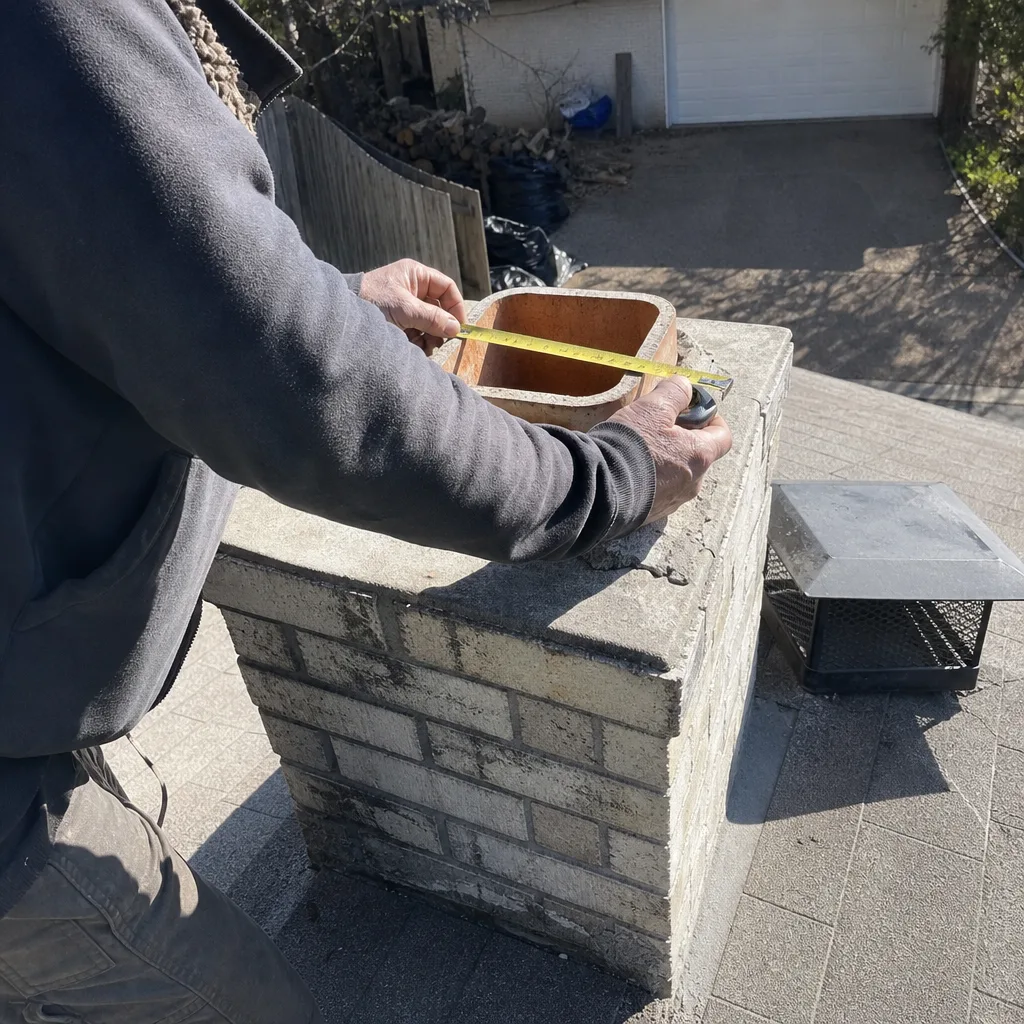
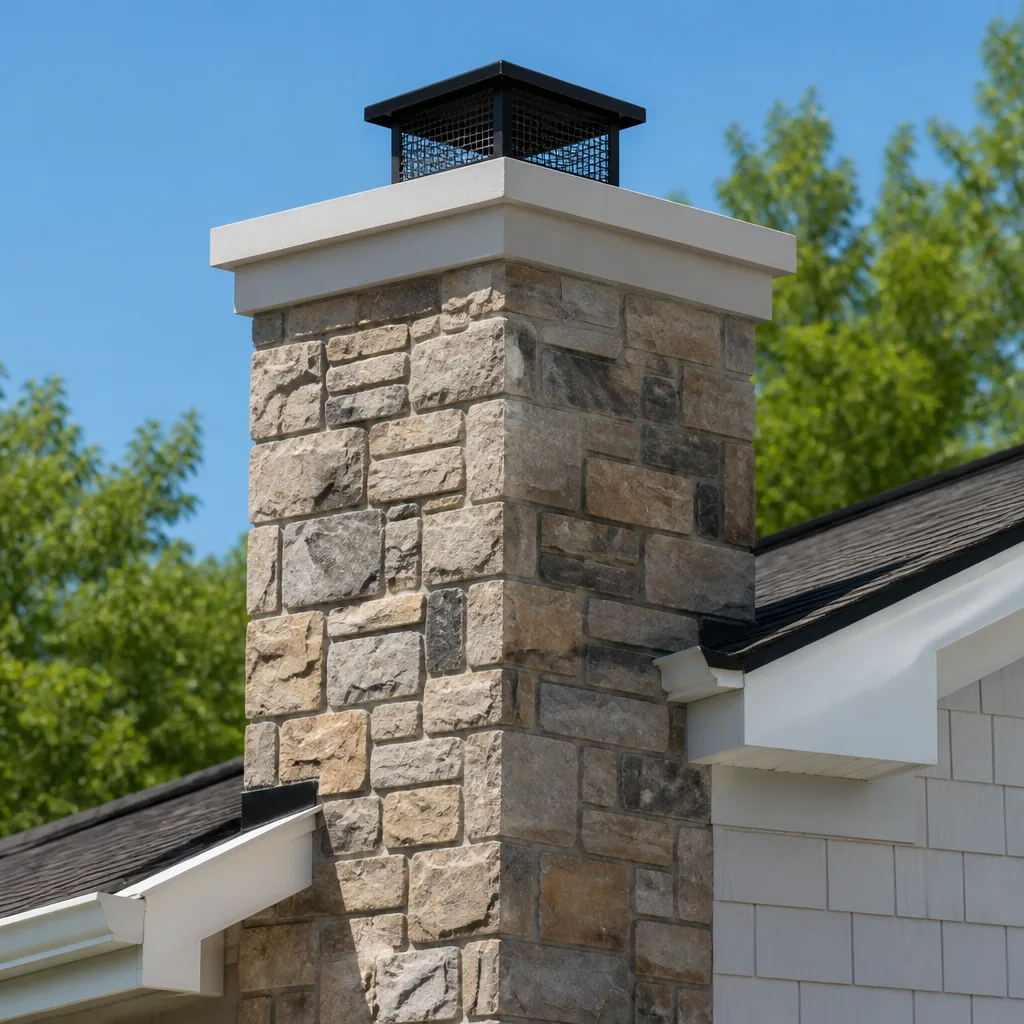
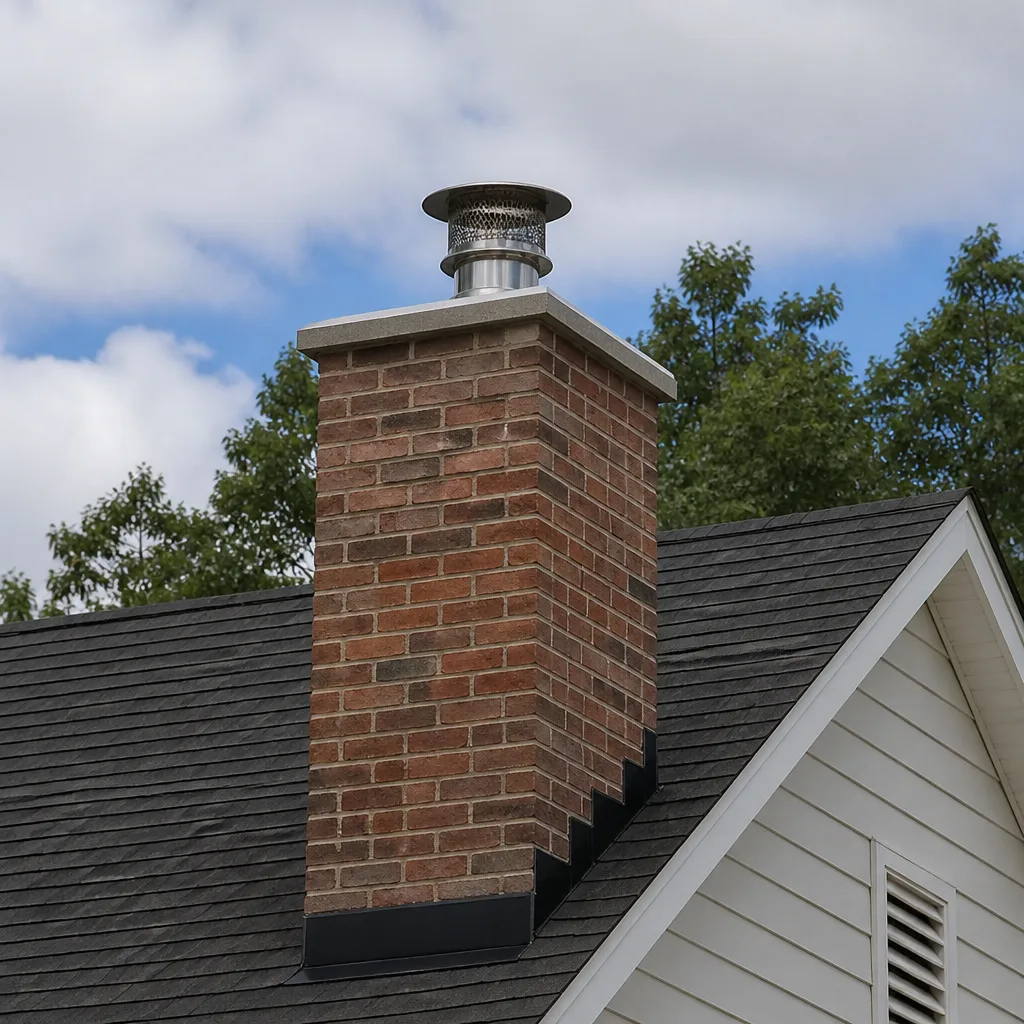
We install chimney cap & crown using Gelco and Famco components, chosen because they’re built to hold up against both summer sun and freeze cycles. A properly fitted cap also does something else: it keeps birds and squirrels out of a flue they’ll happily nest in, which is a common cause of blocked chimneys that homeowners discover by smoke backing up into the room.
The crown is worth a closer look at every inspection. A crown that’s cracked but not crumbling can sometimes be sealed; one that’s failing is a rebuild. Either way, it’s a repair that’s far less expensive done early than after seasons of water intrusion. We include the cap and crown in every full inspection, because your chimney is a system – cap, crown, liner, firebox, damper – and servicing one part without checking the others misses the connections that matter.
How to Prepare for a Sweep
A little prep on your end makes the sweep go cleaner and faster. Nothing complicated – mostly making sure the work area is ready and the fireplace is clear.
- Clear the hearth and the floor in front. Move anything within a few feet – furniture, fireplace tools, decor – so the drop cloths have room.
- Skip the fire for at least 24 hours before the appointment. Ash and embers need time to cool, and inspecting a warm firebox is less reliable.
- Note any issues you’ve noticed. Smoke backing up, a smell from the flue, a damper that sticks, soot falling into the firebox. Write them down so nothing’s forgotten during the visit.
- Tell us how many fireplaces you have. A multi-fireplace Preston Hollow home needs each flue assessed, and knowing ahead of time keeps the appointment on schedule.
- Mention the last time the chimney was swept or inspected. If you don’t know, we’ll assess it from scratch.
If you have pets, a closed door to the room during the sweep keeps them out of the way. And if the fireplace is behind furniture or in a room with a tight layout, a heads-up when you book helps us plan.
Common Mistakes to Avoid
- Skipping the sweep because you only burn a few times a year. Creosote accumulates from what you’ve already burned and doesn’t clear itself between seasons. The number of fires this season isn’t the number that matters.
- Accepting a visual check in place of a camera inspection. A flue can draft fine and still have a cracked liner. If your sweep doesn’t include a camera look, ask for one – it’s the only way to see the tile interior.
- Assuming a rebuild is the only fix for a cracked clay liner. HeatShield resurfacing restores many compromised liners without tearing out the clay. Get that option assessed before a rebuild is quoted.
- Ignoring the top of the chimney. A missing cap or cracked crown is water intrusion waiting to happen, and it’s the most preventable source of chimney damage. Include it in every inspection.
- Letting a chimney fire go uninspected. A small fire can crack tiles or warp a damper without any obvious sign. A Level II inspection after any fire is the right move.
- Hiring the cheapest brush-only provider for a large masonry chimney. A sweep-only operation can’t handle liner repair or crown work, which means the damage goes unaddressed until it’s a bigger job. A full-service chimney specialist covers the whole system.
- Delaying the top-of-chimney check until first freeze. Mortar and crown cracks widen with every freeze. Catching them in the fall is far cheaper than repairing them in the spring.
See the difference
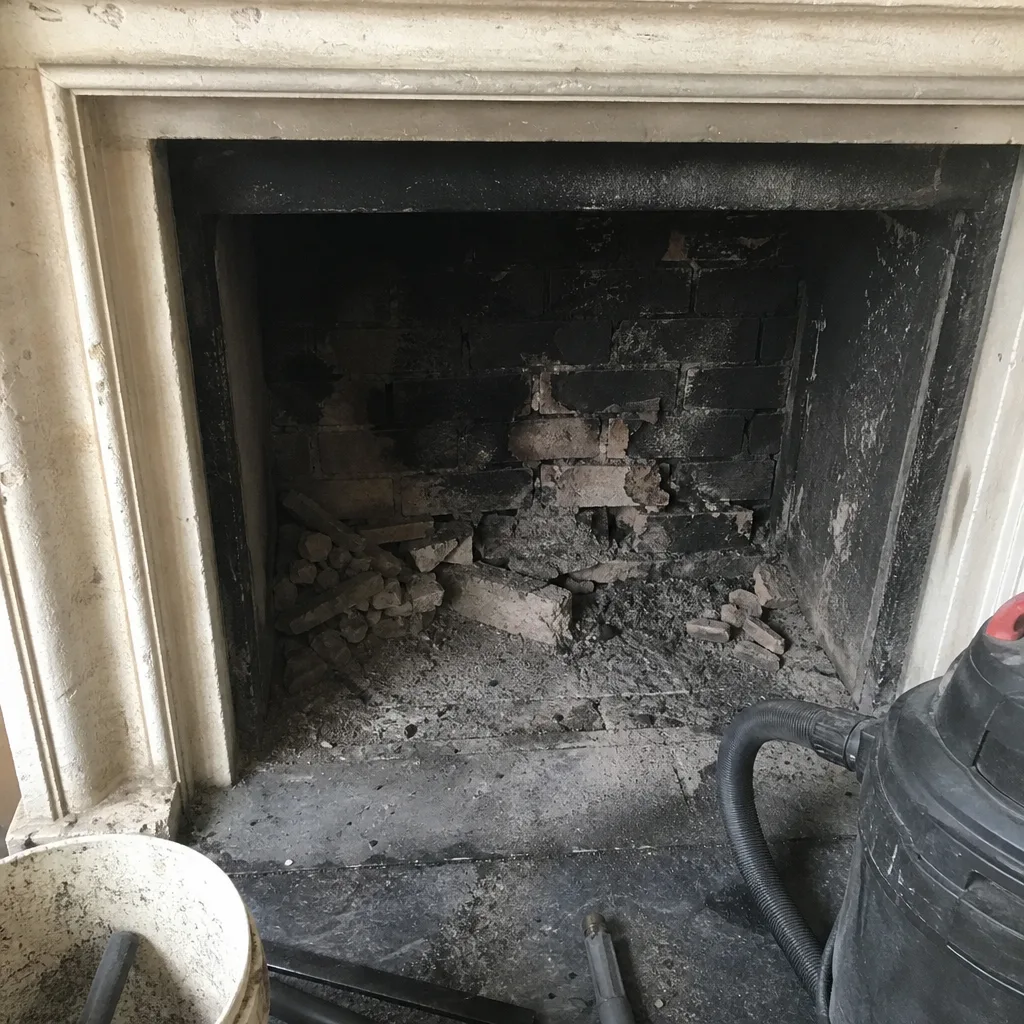 Before
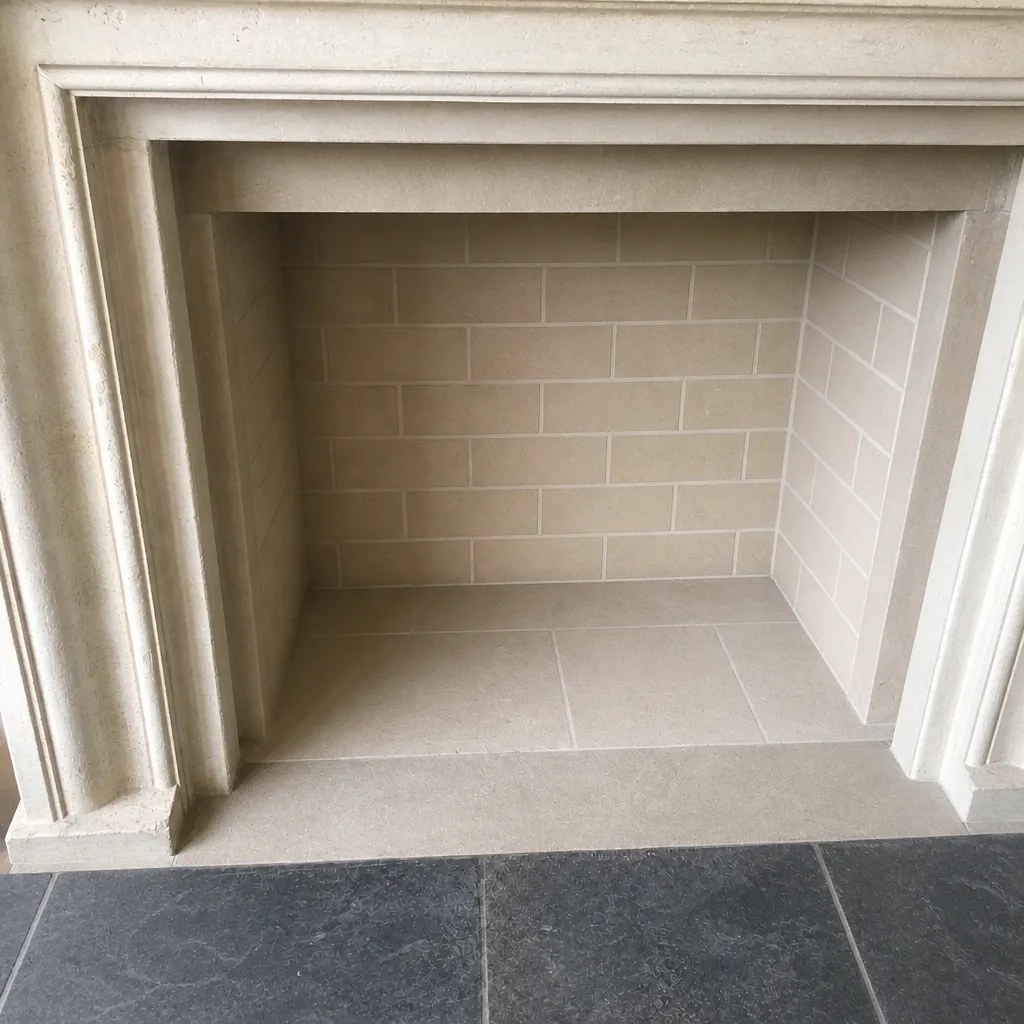 After
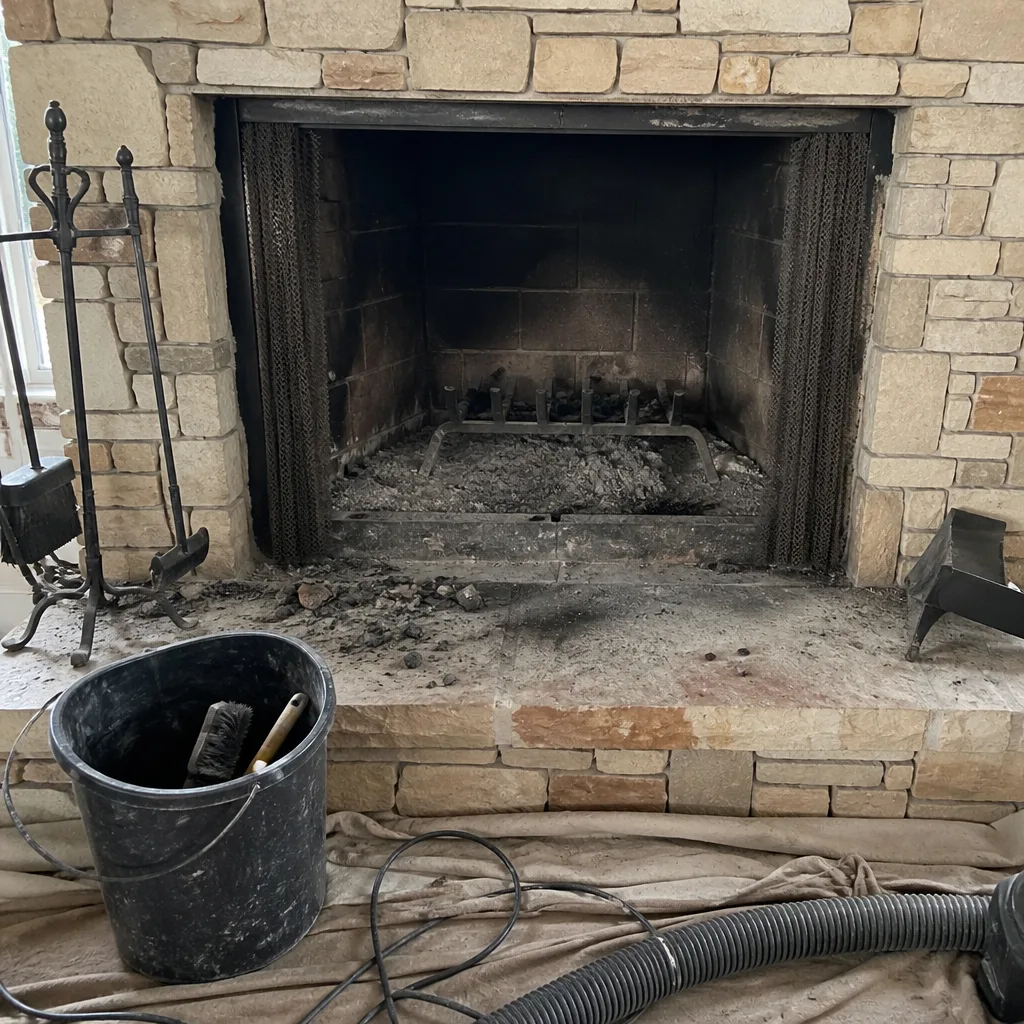 Before
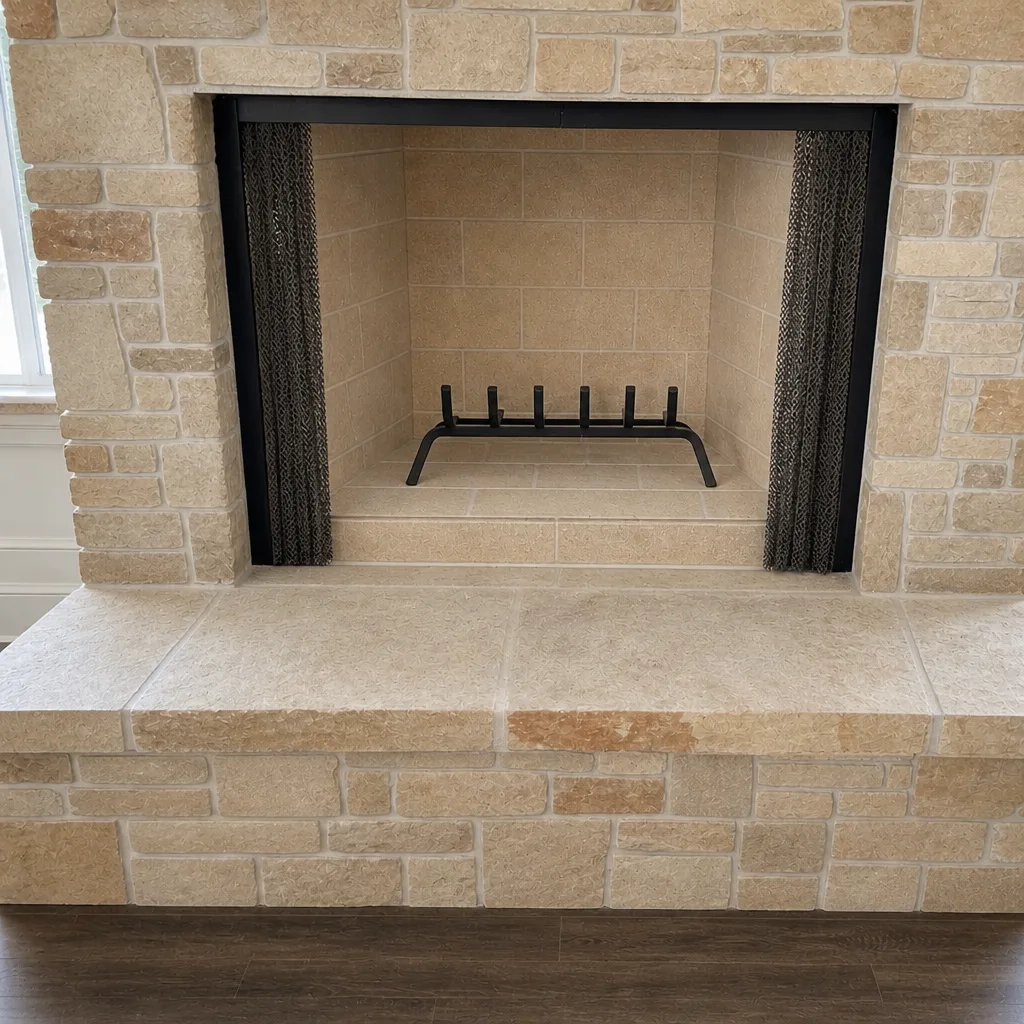 After
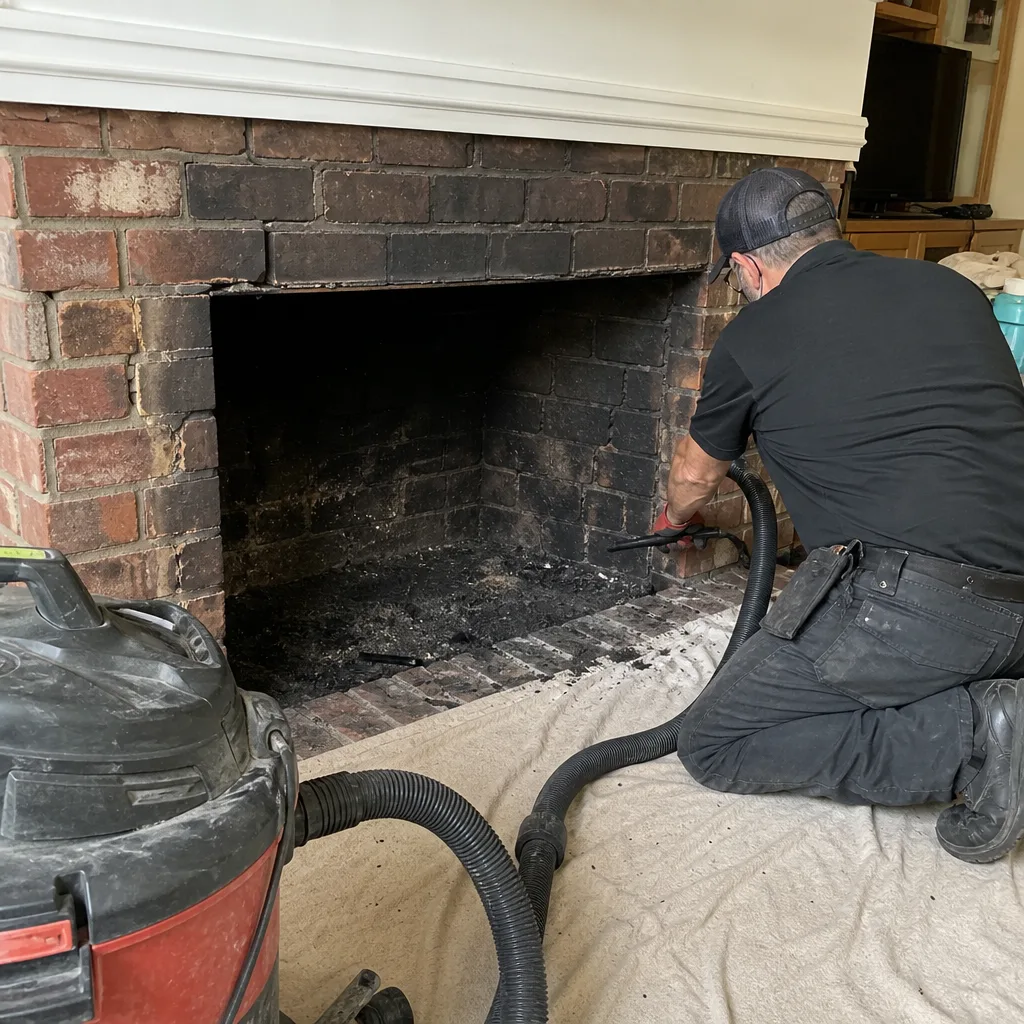 Before
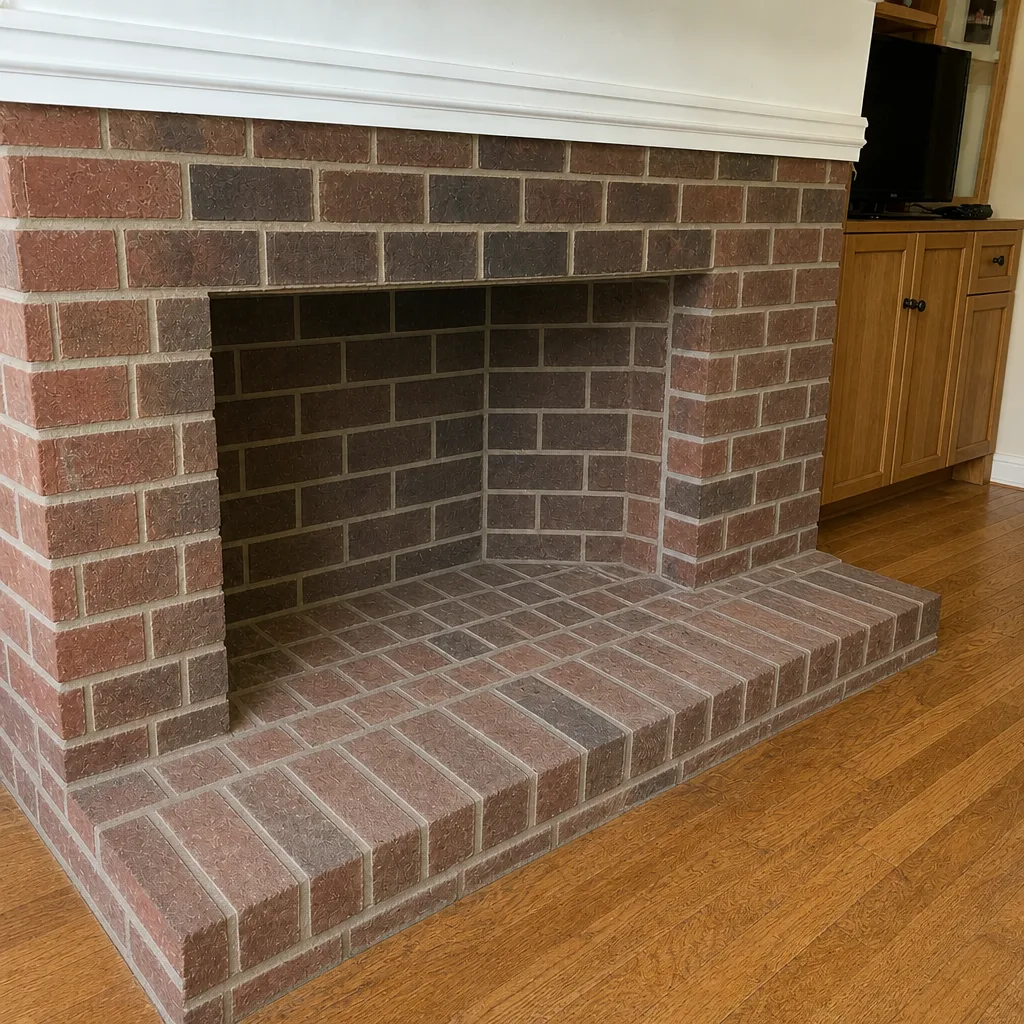 After
When to Call a Professional
Some chimney issues are obvious – smoke backing into the room, a strong creosote smell in warm weather, visible staining on the exterior masonry, a cap that’s missing or leaning. Others are invisible from the firebox: hairline cracks in the liner, a failing crown, warped damper components after a chimney fire. If you’ve burned a full season and haven’t had the flue looked at, call before you light the first fire of the next one. If you’ve had any chimney fire, even a brief one, a Level II inspection is the right next step. And if you’re buying or selling a Preston Hollow home with a fireplace, get the chimney documented before closing. Chimney Sweep Preston Hollow offers free estimates in Preston Hollow – call (833) 769-0219 to schedule.
Frequently Asked Questions
Chimney cleaning in Preston Hollow typically ranges from a routine sweep for a single fireplace up to several hundred dollars for a sweep that includes a camera inspection and a written report on a larger masonry chimney. The exact figure depends on the number of fireplaces, the degree of creosote buildup, and whether the crown and cap need attention. Our estimates are free and itemized in writing before any work begins. Call (833) 769-0219 for an exact quote – estimates are free.
Most Preston Hollow fireplaces need a sweep once a year, but estate-scale fireboxes with oversized flues and heavy seasonal use should be assessed more often – twice a year is reasonable for a home burning frequently. The oversized flue runs cooler than a standard one, which lets creosote condense faster. If you burn more than a cord a season, ask for an inspection at the midseason point as well.
Maybe, maybe not – and a camera inspection is the only way to know. Many cracked or spalled clay liners can be restored with HeatShield resurfacing rather than replaced. A rebuild or a DuraFlex reline is reserved for liner damage too extensive to restore. We won’t recommend a liner replacement without showing you the camera footage of the flue interior, so you’re making the call with the same information we have.
Creosote builds up on the flue walls and becomes the fuel for a chimney fire. In the short term, a restricted flue reduces draft and lets smoke back up into the room. In the long term, a cracked liner can let heat and gases reach the surrounding structure, and water intrusion through a failed crown or cap can deteriorate the masonry itself. None of that is a scare tactic – it’s the reason the annual sweep exists.
Texas doesn’t mandate a Level II inspection statewide for home sales, but it’s the standard most buyers and their inspectors expect – and it’s what protects both sides. A Level II includes a video camera inspection of the flue interior, which a Level I does not. For a Preston Hollow estate home with multiple fireplaces, a written Level II report on each flue is the documentation buyers ask for before closing.
A proper sweep shouldn’t. We seal the firebox opening and use HEPA vacuuming throughout the clean, so loosened soot is extracted at the source rather than drifting into the room. We lay drop cloths over the hearth and surrounding floor as a backstop. If a sweep leaves visible dust behind afterward, the vacuum setup wasn’t what it should have been.
Glazed, tar-like creosote is usually visible at the top of the firebox or on a camera inspection of the flue, and a strong smell that lingers in warm weather is a common sign. Soot falling into the firebox after a sweep points to a not-fully-cleaned flue. The only reliable way to measure the buildup is an inspection, which is why we include one at every sweep.
Yes. A cap and crown repair is part of our routine service, and we use Gelco and Famco components built to handle both summer heat and winter freeze cycles. A missing or damaged cap is one of the most preventable sources of water intrusion, so it’s worth addressing well before it turns into a masonry repair. Call (833) 769-0219 for a free estimate.
The Bottom Line
Chimney cleaning in Preston Hollow isn’t a one-size-fits-all job. The estate-scale fireplaces common here accumulate creosote differently, and the clay liners installed before 1990 deserve a camera look even when the chimney drafts fine. Schedule a sweep before the burning season starts, insist on a camera inspection and a written report, check the cap and crown at every visit, and get cracks in the crown addressed before a hard freeze widens them. A full clean with HEPA extraction is worth the time; a brush-only sweep isn’t the same service. If you’re not sure where your chimney stands, that’s reason enough to have it looked at. Call Chimney Sweep Preston Hollow at (833) 769-0219 for a free estimate. We answer 24/7. Fast dispatch from 7am to 7pm, Sunday through Friday.
Written by the team at Chimney Sweep Preston Hollow.